
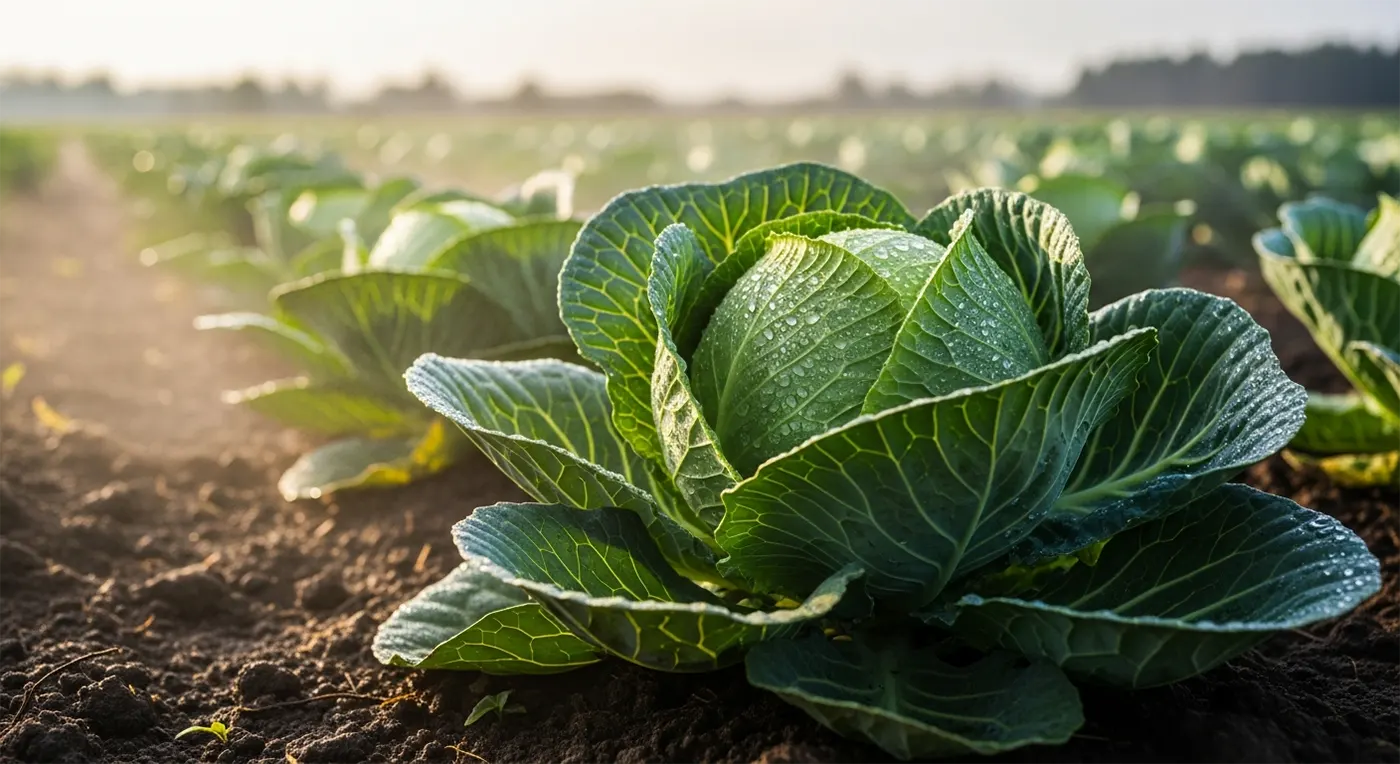
Cabbage is an extremely nutrient-rich cruciferous vegetable. Low in calories yet abundant in dietary fiber, it serves as an excellent choice for those pursuing a healthy diet. It is packed with vitamins and minerals—including vitamin C, vitamin K, and potassium. These components are vital for maintaining normal bodily functions and overall health.
Research indicates that the antioxidants in cabbage help lower the risk of developing chronic diseases, such as heart disease and certain types of cancer. Furthermore, its soluble fiber promotes the growth of beneficial gut bacteria, thereby improving digestive function and supporting intestinal health. As a member of the cruciferous family, cabbage is also rich in various antioxidant compounds that help alleviate chronic inflammation.
Cabbage is incredibly versatile in the kitchen. It can be used to prepare a wide range of healthy dishes—ranging from coleslaw and fresh salads to hearty soups, stir-fries, and even fermented foods like sauerkraut. The fermentation process not only enhances the flavor of the cabbage but also adds extra health benefits through the probiotics generated during fermentation.
Toprak Hazırlığı
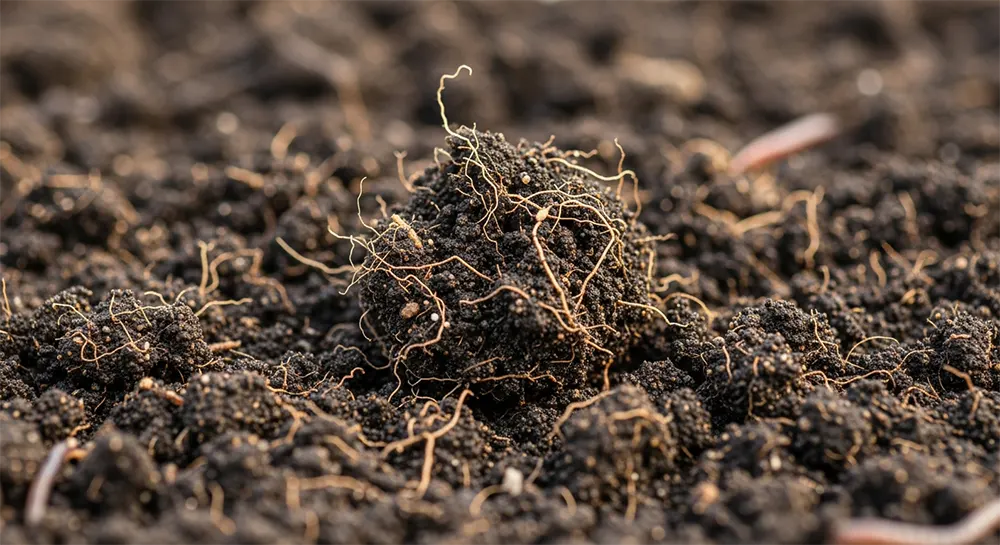
Cabbage has specific soil requirements, and suitable soil conditions can significantly enhance cabbage yield and quality. Loam or sandy loam soils are the ideal choices, as these soil types are neither excessively heavy and clayey (which could lead to waterlogging) nor excessively loose (which would compromise water retention), thereby fostering the healthy development of the root system. The soil pH level should ideally be maintained between 6.0 and 7.5. If the soil becomes overly acidic or alkaline, it not only affects nutrient uptake but may also trigger diseases such as club root. If necessary, soil conditions can be adjusted by applying lime (to reduce acidity) or organic matter (to improve soil structure).
Cabbage is a crop with high nutrient demands; it requires not only ample nitrogen, phosphorus, and potassium but also secondary and micronutrients such as calcium and boron. It is recommended to apply base fertilizer before transplanting, such as fully decomposed farmyard manure or organic compound fertilizer. In this way, he can help the crop receive a sufficient nutrient supply in the early stages of growth.
Good drainage is equally crucial for the cultivation of cabbage. Cabbage is highly sensitive to waterlogging. If the soil remains excessively wet for prolonged periods, it becomes highly susceptible to root rot and disease outbreaks. Therefore, it is advisable to plant cabbage on raised beds or in fields with excellent drainage.
Cabbage Varieties
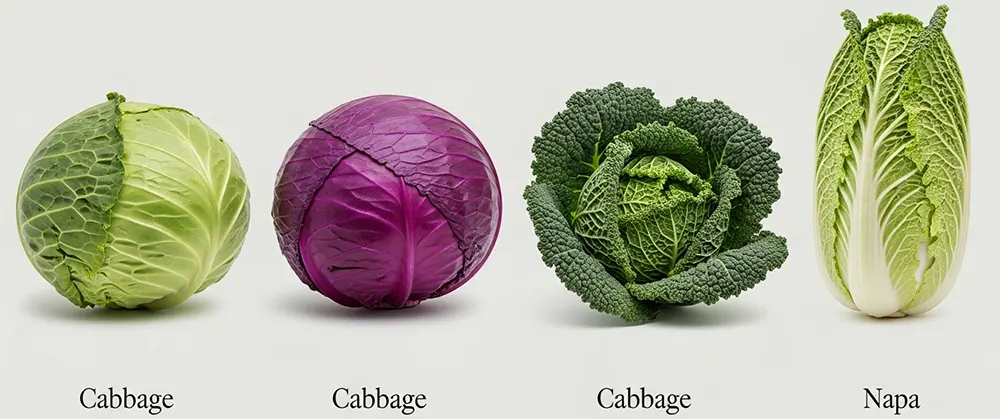
Here are a few popular cabbage varieties:
1. Green Cabbage
This is the most classic—and likely the most familiar—variety of cabbage. It is round in shape, with tightly wrapped leaves, offering a mild flavor with a hint of sweetness. Green cabbage is incredibly versatile and can be used in a wide array of dishes, ranging from salads and soups to stir-fries.
2. Red Cabbage
As the name suggests, red cabbage features a vibrant purplish-red hue that adds a splash of brilliant color to any dish. It possesses a slightly peppery note and a crisp texture, making it an excellent choice for salads and coleslaws. Furthermore, red cabbage is rich in antioxidants, making it both delicious and nutritious. It is a superb crop for the autumn harvest.
3. Savoy Cabbage
Savoy cabbage is highly distinctive, characterized by its crinkled leaves and pale green color. It has a tender texture and a mildly sweet flavor, making it ideal for light sautéing or steaming. Savoy cabbage is frequently used in European cuisine, where it pairs particularly well with hearty ingredients such as meat and potatoes. This variety has a long harvest season, extending from autumn through the winter and into early spring.
4. Napa Cabbage
Napa cabbage (also known as “Chinese cabbage”) features elongated leaves and a cylindrical overall shape. It offers a mild, slightly sweet flavor and a crisp texture, making it an excellent ingredient for stir-fries, soups, and kimchi. While widely utilized in Asian cuisine, Napa cabbage also integrates beautifully into dishes of various other culinary styles. It is yet another excellent choice for the autumn harvest.
Dikim
Dikim Zamanı
To harvest cabbage in the spring, you need to give it a head start—meaning you must begin early! Start seeds indoors 6 to 8 weeks before the last spring frost; then, transplant the seedlings outdoors 2 to 3 weeks before the date of the last expected frost in your region. Do not sow too early; while mature cabbage plants are quite cold-hardy, the young seedlings are highly sensitive to frost. Conversely, avoid sowing too late, as cabbage that matures during the summer months often suffers from reduced quality.
For an autumn crop, it is best to transplant seedlings rather than direct-sowing seeds, as soil temperatures in midsummer are often excessively high. Transplanting should be scheduled for 10 to 12 weeks before the first expected frost of autumn. If you plan to start seeds indoors for your autumn planting, begin the process 14 to 16 weeks prior to the anticipated frost date, and then transplant the seedlings outdoors 10 to 12 weeks before the frost occurs. It is important to remember that autumn crops typically require a few extra weeks to reach maturity, as the shorter daylight hours of the fall season tend to slow down plant growth.
Planting Site
Selecting a suitable planting site helps cabbage achieve optimal growth. Cabbage thrives in full sun, particularly during its early stages of development. It should receive 6 to 8 hours of direct sunlight daily.
However, in warmer climates, cabbage actually grows better under cooler, seasonally moderate lighting conditions; therefore, it is best planted in partial shade or behind some form of shelter. Cabbage grows most successfully during the spring and autumn, when temperatures are moderate and sunlight intensity is relatively lower. The key lies in providing consistent light while avoiding extreme heat.
Planting Spacing
When planting cabbage, maintain a spacing of 12–18 inches (30–45 cm) between plants within the row and 2–3 feet (60–90 cm) between rows. Cabbage grows best in temperatures below 80°F (27°C) and can tolerate lows down to 25°F (−4°C) without sustaining serious damage.
Transplanted cabbage seedlings should be set out in the planting area 2–3 weeks before the last expected frost date; cabbage grown from direct seeding can be sown at the same time. For a fall harvest, select early-maturing varieties and plant them 50–75 days prior to the anticipated harvest date. Their maturity should coincide roughly with the 1–2 weeks following the arrival of the first fall frost.
High temperatures inhibit cabbage growth, reduce quality, and may even lead to internal tip burn in the leaves.
Sulama
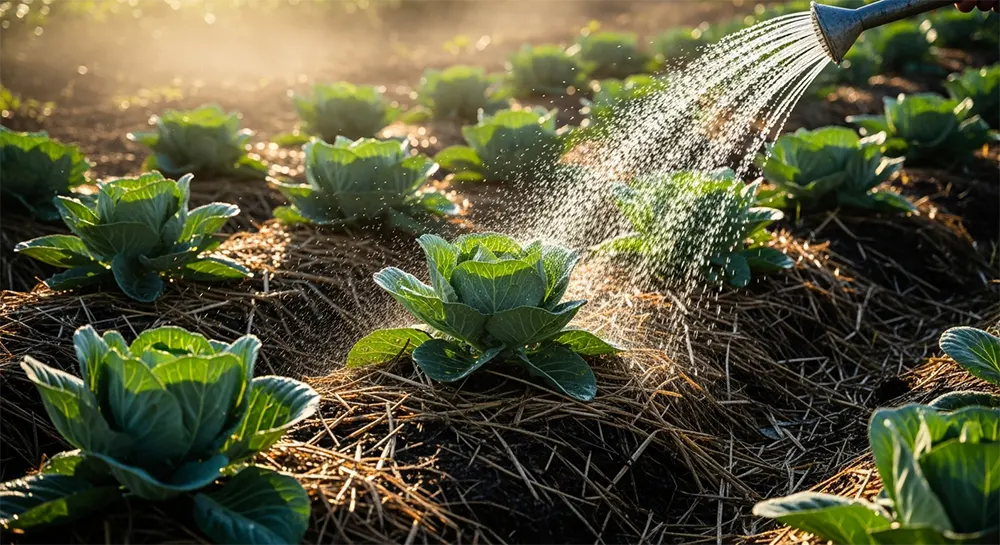
Cabbage prefers consistently moist soil conditions. Depending on rainfall and soil type, water 2–3 times per week, ensuring thorough watering each time. Avoid letting the soil dry out completely between waterings. Uneven soil moisture can lead to small heads, cracking, or tough leaves.
Applying a thick layer of mulch (such as straw, compost, or shredded leaves) helps retain soil moisture and regulate soil temperature. Cabbage thrives best in cool, moist soil conditions.
Gübreleme
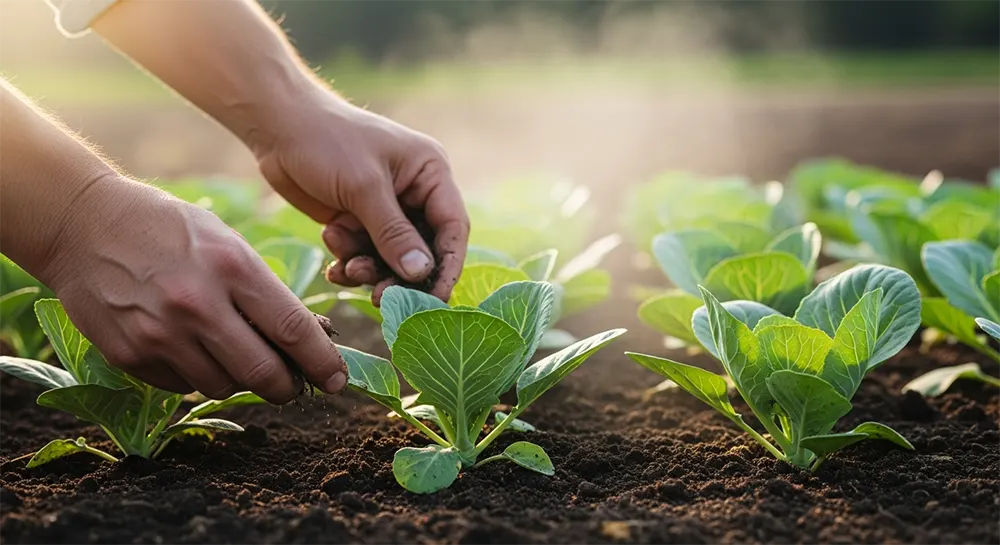
Cabbage is a heavy feeder. About four weeks after transplanting or thinning, apply ½ cup of Rutom nitrogen fertilizer (amino acid 16-0-0) per 10 feet of row to promote plant growth.
For foliar application, the recommended mixing ratio is 1 part amino acid to 500 parts water. Mix thoroughly until the amino acid is completely dissolved.
Avoid applying nitrogen fertilizer after head formation, as excessive nitrogen at this stage can lead to loose heads and cracking. Apply the fertilizer about 6 inches away from the base of the plants and water it into the soil thoroughly.
Companions
Cabbage grows well alongside plants that help deter pests. Great companions include onions and garlic (pest deterrence), dill, chamomile, beets, lettuce, and spinach. Herbs and alliums are especially helpful in cabbage beds.
Avoid planting cabbage near other brassicas or in large monocultures, as this attracts pests.
Hasat
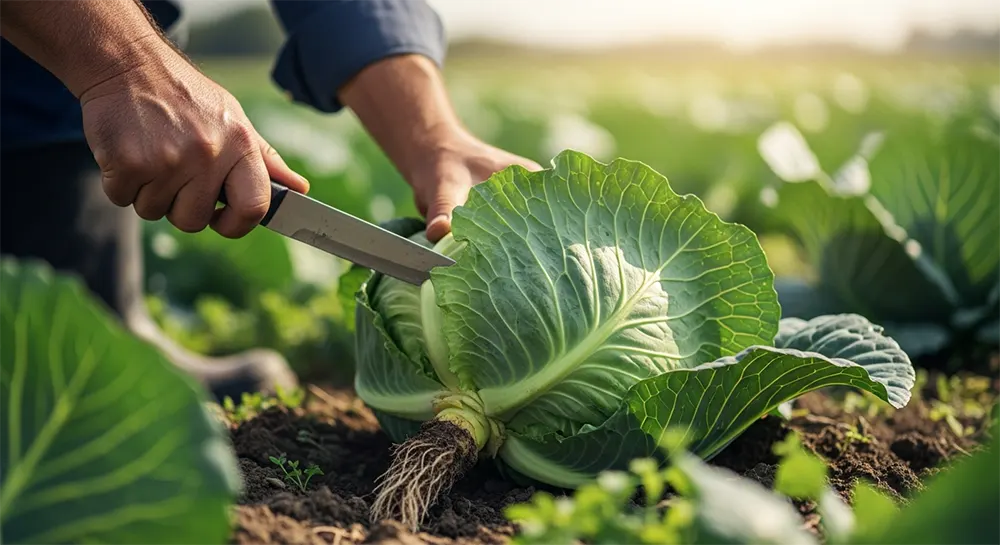
The time required for cabbage to mature can vary depending on several factors, including the variety, growing conditions, and climate. However, on average, most cabbage varieties take about 70 to 100 days from planting to maturity.
At harvest, use a sharp knife to cut each cabbage head at the base. Remove any yellowing leaves (but keep the loose green outer leaves, as they help protect the cabbage during storage), and move the harvested heads indoors or to a shaded area immediately.
Alternatively, you could uproot the entire plant, roots and all, and suspend it in a cool, humid cellar, ideally where temperatures hover near freezing. Interestingly, a touch of frost actually enhances the sweetness of winter cabbage. Spring cabbage can be harvested early as tender greens or left to grow until it forms firm heads.
To harvest two crops from one plant, simply cut off the main head while leaving the outer leaves and roots intact. The plant will produce new heads; pinch these off until only four or five smaller heads remain. These can be harvested when they reach about the size of a tennis ball (perfect for salads!).
Cabbage can be stored in the refrigerator for up to two weeks if loosely wrapped in plastic wrap. Make sure it is dry before storing. Under proper cellar conditions, cabbage can be stored for up to three months. Alternatively, you can ferment or pickle it for longer preservation.

 English
  Spanish
  Japanese
  Korean
  German
  Portuguese
  Italian
  Indonesian
  Vietnamese
  Turkish
  Persian
  Russian
  Chinese