
Fosilleşmiş deniz kuşu guanosu · 0-12-0
Organik Deniz Kuşu Guanosu Gübresi, 0-12-0, Toz ve Granül Formda
6.000 mesh mikronize tozdan 2–4 mm granüle kadar dört partikül sınıfı. Toplam fosfat, yedi elementli ağır metal paneli ve sevk edeceğimiz parti için sertifika, soruşturma aşamasına saklanmaz.
- ECOCERT girdi belgesi
- EU 2018/848 · USDA NOP · JAS · GB
- 25 / 40 / 1.000 kg
- Talep üzerine özel oran
Veri sayfası olarak okuyun
Ürün
Organik Deniz Kuşu Guano Gübresi: Dökme Tedarik için Granül ve Toz
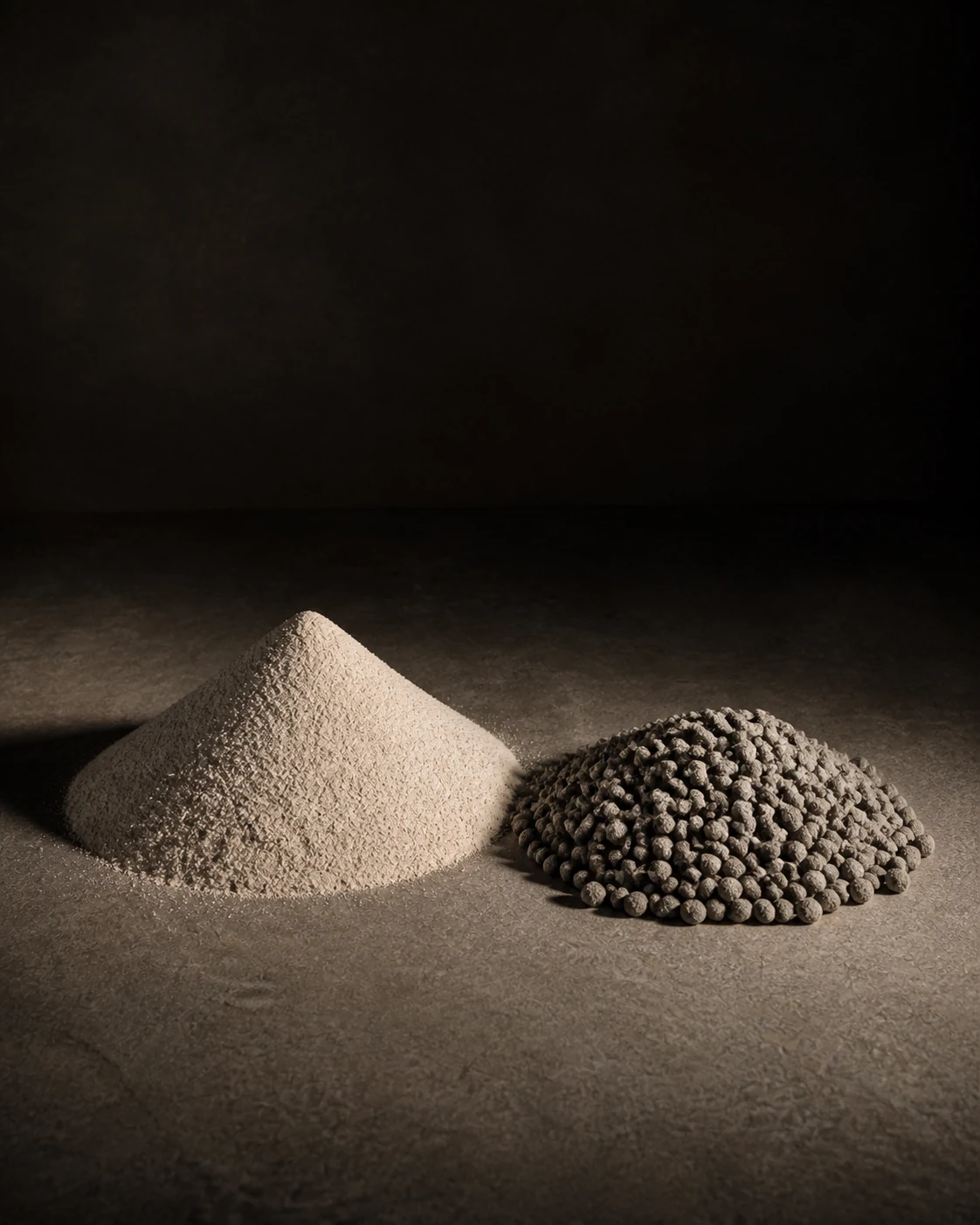
Rutom Bio, fosilleşmiş deniz kuşu guanosunu çıkarır ve derecelendirilmiş organik girdilere öğütür. Tesisten iki form çıkar. Mikronize toz, 2.500, 5.000 ve 6.000 mesh'e öğütülür; granül ise 2 ila 4 mm'ye elenir. Her ikisi de ECOCERT girdi belgemiz kapsamındadır ve her ikisi de perakende torbalar yerine ticari miktarlarda sevk edilir.
Spesifikasyon 0-12-0'dır. Azot %0,3, potas %0,5 olarak test edilir. Bu rakamların hiçbiri yazım hatası değildir ve hiçbiri gözden kaçırmanızı tercih edeceğimiz bir şey değildir. Ayrışmış tortular, azotlarını kimse onları çıkarmadan yüzyıllar önce yağışlara kaptırdı ve geride kalan, eser mineraller taşıyan bir kalsiyum fosfattır.
Aynı iki kelime. Farklı ürün.
Deniz kuşu guanosunun azot açısından zengin olduğunu okuduysanız, taze malzeme hakkında okuyordunuz. Bu karışıklık, bir satın alma emri yanlış varsayımla yazıldığında gerçek paraya mal olur.
Fosilleşmiş kelimesi belirleyicidir. Bizim çıkardığımız, çözünür fraksiyonun süzülüp gitmesine yetecek kadar uzun süre kurak bir tortuda kaldı ve kaya fosfatı gibi depolanan stabil bir mineral bıraktı. Bu stabilite, tonlarca sevk edilmesinin nedenidir.
Toz ve granül aynı veri sayfasını paylaşmaz. Sınıfınıza uygun olanı isteyin.
Sınıf veri sayfasını isteyin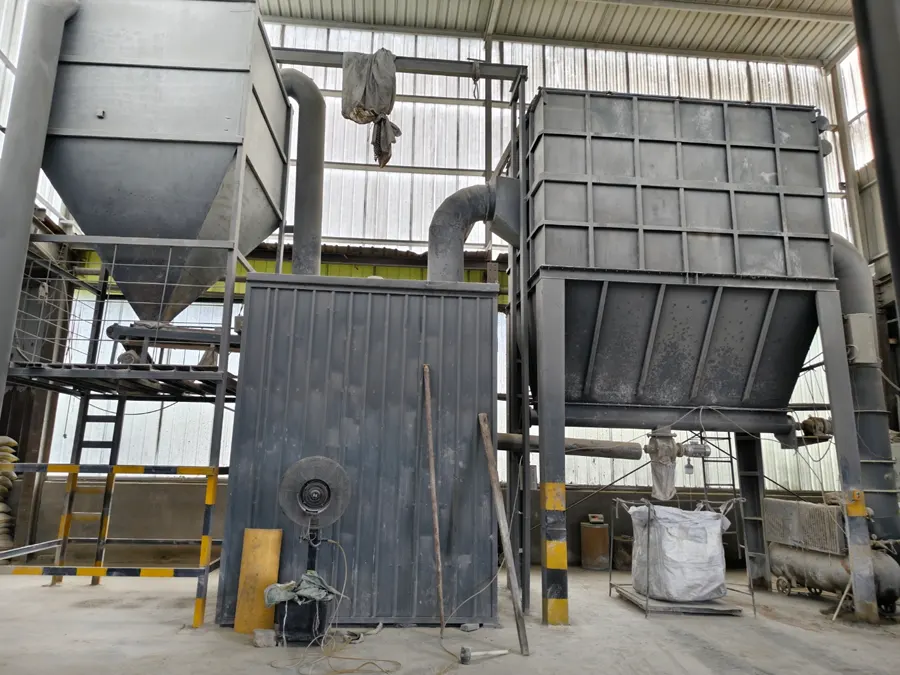
Öğütülmüş
Guano kayası 2.500, 5.000 veya 6.000 mesh'e öğütülür. Bu aşamada hiçbir şey eklenmez, bu nedenle tozun analizi, tortunun analizidir.
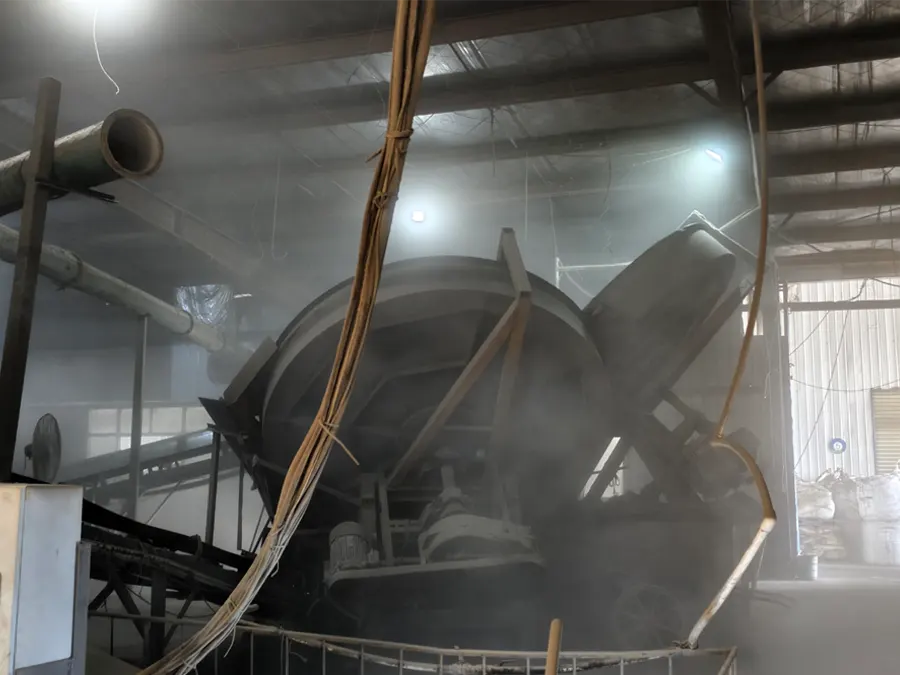
Granüle Edilmiş
Toz, bentonit ve su bir tabak granülatöre gider ve peletler halinde büyür. Bağlayıcı yaklaşık %5 oranında çalışır ve granül veri sayfasının tozunkiyle aynı okunmamasının nedeni budur.
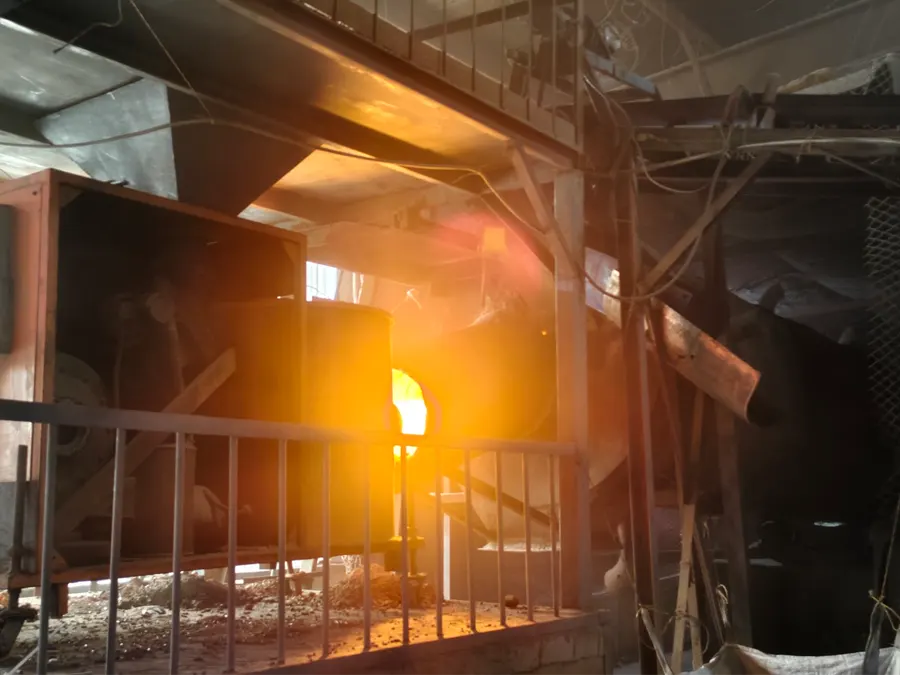
Kurutulmuş
Granülasyon su ekler, bu nedenle kurutma, peletler 2-4 mm'ye elenmeden önce suyu geri alır. Kısa süre kurutulan bir pelet torbada ufalanır ve nemli bir ortamda ağırlık kazanır.
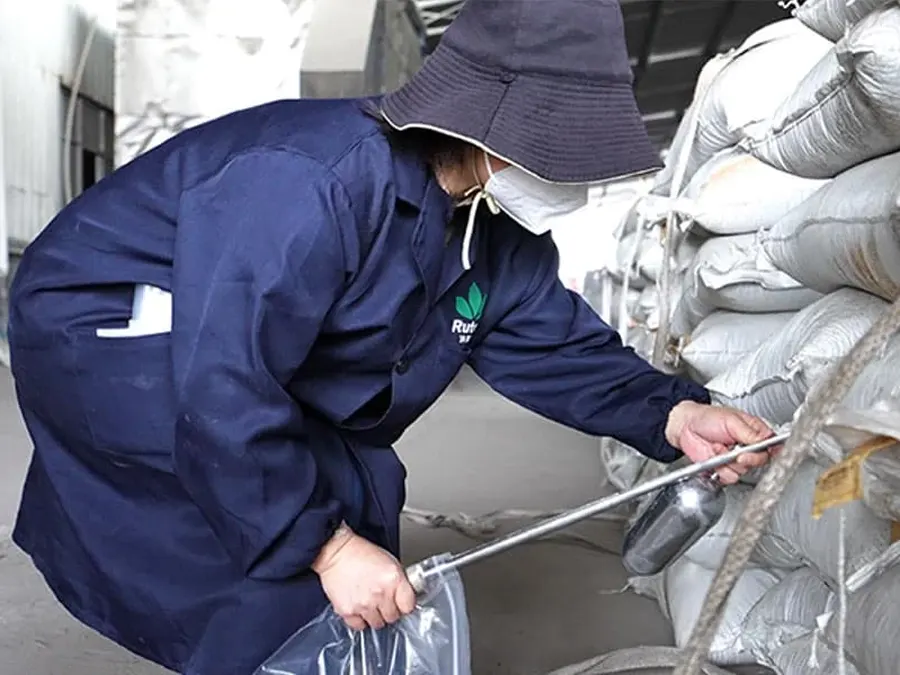
Parti başına test edildi
Parti verileri sevkiyatla birlikte değil, sevkiyattan önce gönderilir, böylece karar hâlâ bir karar iken sizin olur.
Fark, analiz satırında değil, belgelerde ortaya çıkar.
Bunların hiçbiri bizi Down To Earth, Roots Organics veya True Organic'ten ayırmaz. Onlar da 0-11-0 ve 0-12-0'da ayrışmış deniz kuşu guanosu satarlar ve işe yarar. Aynı NPK'da organik guano gübresi için iki teklif tutan bir alıcı, bunları yalnızca etiketten ayırt edemez.
Karşılaştırma
Satın Almadan Önce Doğrulayabilecekleriniz
Aynı NPK taşıyan iki torba, etiketin göstermek için tasarlanmadığı şekillerde farklılık gösterebilir. Bu, hangisinin daha iyi ürün yetiştirdiğiyle ilgili bir iddia değildir. Bu, para hareket etmeden önce bir alıcının ne kadar kontrol edebileceğiyle ilgili bir iddiadır.
Dört yerleşik deniz kuşu guano markasının ürün sayfalarını okuduk. Dördü de bir NPK rakamı, bir "şuradan elde edilmiştir" ifadesi ve bir uygulama oranı verir. Hiçbiri toplam fosfat yayınlamaz. Hiçbiri bir ağır metal paneli yayınlamaz. Hiçbiri partiye özel bir sertifika sunmaz. Dördü de tek bir parçacık boyutu satar.
İşte karşılaştırma, kendi rakamlarımız son sütunda.
← Tabloyu yana kaydırın →
| Yayınlandı mı? | Down To Earth | Roots Organics | True Organic | Planet Natural | Bu arada |
|---|---|---|---|---|---|
| Belirtilen analiz | 0-11-0 | 0-12-0 | 6-12-0 | 0-10-0 | 0-12-0 |
| Mevcut fosfat | 11.0% | 12% | 12% | 9% | 12% |
| Toplam fosfat | yayınlanmadı | yayınlanmadı | yayınlanmadı | yayınlanmadı | 33.09% |
| Kalsiyum | 20.0% | yayınlanmadı | ✓ | 8% | ,3 (Ca) |
| Ağır metaller | yayınlanmadı | yayınlanmadı | yayınlanmadı | yayınlanmadı | 7 element |
| Parti analizi | yayınlanmadı | yayınlanmadı | ✓ | yayınlanmadı | lot başına |
| Parçacık boyutları | bir | bir | bir | bir | 4 sınıf |
| Özel oran | hayır | hayır | hayır | hayır | evet |
| Ambalaj boyutu | 5 lb | 3–40 lb | 4 / 25 lb | perakende torba | 25 / 40 / 1.000 kg |
“yayınlanmadı” = rakam o ürün sayfasında görünmüyor. Rakip sayfaları Ağustos 2026'da kontrol edildi.
Dört satırın her biri birer cümle hak ediyor.
Toplam fosfat
Herhangi bir torbada basılı sayı, mevcut fosfattır; bir mahsulün bu sezon alabileceği kısım. Toplam fosfor, mineralde hâlâ bağlı olan ve toprak biyolojisi üzerinde çalıştıkça kademeli olarak salınan her şeyi içerir. Tozumuz, Toplam P₂O₅ ,09 olarak test edilir; buna karşılık Available P₂O₅ . Tablodaki hiç kimse ilk rakamı vermiyor, bu yüzden kimse bu konuda karşılaştırılamaz.
Kalsiyum
Deniz kuşu guanosu bir kalsiyum fosfattır, bu yüzden kalsiyum bonus bir bileşen değildir. Ağırlıkça satın aldığınız şeyin çoğudur. ABD pazarında yayınlanan rakamlar %8 ile arasında değişir. Bizimki 39.55% CaO olarak, yaklaşık ,3 elementel kalsiyum, bir ABD garanti analizinin kullandığı temel.
Parti analizi
Tipik bir analiz, malzemenin genellikle ne yaptığını açıklar. Bir parti sertifikası, bu sevkiyatın gerçekte ne yaptığını açıklar. Bunlardan yalnızca biri kanıttır. Yalnızca biri, bir müşteri teslimatı itiraz ederse işe yarar.
Özel oran
r/OrganicGardening'deki bir yetiştirici perakende sorununu tek satırda özetledi:
5-10-10 organik gübre arıyorum ama bulamıyorum.r/OrganicGardening
Raflar sabit formülasyonlar taşır. İhtiyacınız olan oran bunların arasında değilse, hiçbir alışveriş onu üretmez. Belirtilen bir hedefe göre harmanlıyoruz ve kuru formların yanında bir süspansiyon konsantresi de tedarik edebiliyoruz; bu, o gönderiye pratik cevaptır.
Fark neden var
Bunların hiçbiri dört markayı dikkatsiz yapmaz. Perakende kanalları bir parti sertifikası gerektirmez, çünkü 5 lb satın alan bir ev sahibinin bunu kontrol edecek bir laboratuvarı yoktur. Fark, aynı ürün ticari bir tedarik zincirine girdiğinde sorun haline gelir; burada onu kaydeden bir distribütör, ona göre formüle eden bir harmanlayıcı veya bir operasyonu denetleyen bir sertifikalandırıcı, perakende formatının hiç üretmek zorunda olmadığı belgelere ihtiyaç duyar. Satılık deniz kuşu guanosu aramaları neredeyse yalnızca bu kanalı döndürür ve bu kanal sizden farklı bir alıcı için inşa edilmiştir.
Deniz kuşu guanosunu biz de dahil herkesten satın almadan önce, o dört şeyi isteyin. Biz bunları burada yayınlıyoruz çünkü iki teklif tutan bir alıcının malzemeyi ayırmasının başka yolu yoktur ve istek üzerine bunları üretemeyen bir tedarikçi, malzemenin yukarı akışta nasıl ele alındığı hakkında size zaten yararlı bir şey söylemiştir.
Listenizdeki her tedarikçiye, biz de dahil, aynı dört soruyu sorun.
Bize o dört soruyu sorunŞartname
Garantili Analiz
Aşağıda, ABD'li bir alıcının beklediği formatta şartname bulunmaktadır; tek eklemeyle: bir sütun yerine iki sütun. Soldaki, her sevkiyatta garanti ettiğimiz şeydir. Sağdaki, bağımsız bir laboratuvarın bir partide ölçtüğü şeydir.
| Parametre | Garanti edilen minimum | Haziran 2025'te test edilen parti |
|---|---|---|
| Toplam Azot (N) | 0.3% | — |
| Available P₂O₅ | 12% | — |
| Total P₂O₅ | min | 33.09% |
| Çözünür Potasyum (K₂O) | 0.5% | — |
| Kalsiyum (CaO olarak) | –40 | 39.55% |
| Magnezyum (MgO olarak) | 3.0% | 3.20% |
| Silika (SiO₂) | 10% | — |
| Nem | %1,2 maks | — |
| Parçacık boyutu | 2.500 / 5.000 / 6.000 mesh | — |
Kaynak: fosilleşmiş deniz kuşu guanosu. Dolgu maddesi ve harmanlama ajanı yok. Granüler 2–4 mm, bağlayıcı olarak yaklaşık %5 bentonit ile aynı kaynak malzemeyi kullanır; bu, analizi hafifçe değiştirir — tozla eşleştiğini varsaymak yerine granüler veri sayfasını isteyin.
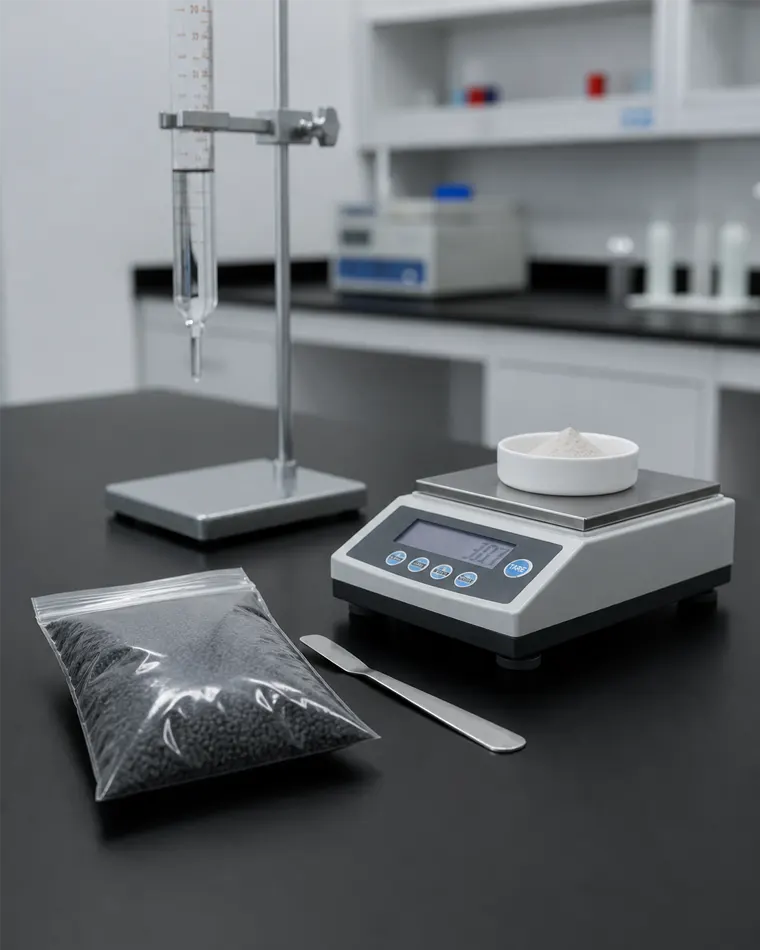
Sıfatlar değil, yöntem numaraları
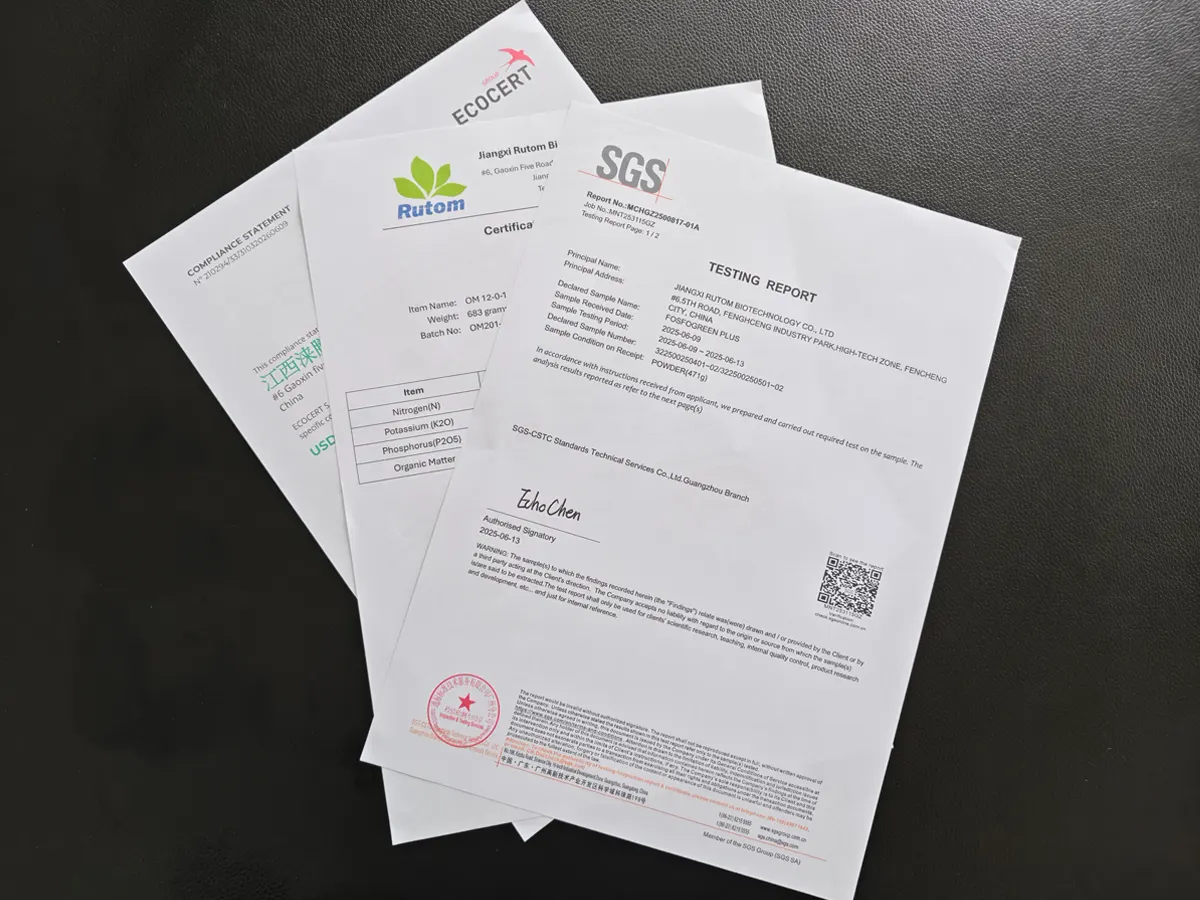
Parti rakamları SGS-CSTC'den alınmıştır, rapor MCHGZ2500817-01A, 13 Haziran 2025 tarihlidir. Toplam fosfat AOAC 958.01-2005 ile; kalsiyum ve magnezyum AOAC 965.09-2005 ile belirlenmiştir.
Yöntem numaraları sonuçlardan daha önemlidir, çünkü kendi laboratuvarınızın çalışmayı tekrarlamasını sağlarlar. Yöntemsiz bir sonuç bir iddiadır. Yöntemli bir sonucu kontrol etmek birkaç yüz dolara mal olur.
Rakamları okumak
'lik mevcut fosfat değeri fabrika iç kontrol değerimizdir. Bu üçüncü taraf raporu toplam fosfat, kalsiyum, magnezyum ve ağır metalleri kapsar; mevcut fosfat satırı içermez, bu nedenle bu tek rakam .09 ile aynı desteğe sahip değildir. İki rakamı yan yana koyup eşit derecede sağlam göstermektense bu cümleyi yazmayı tercih ederiz. Her tedarikçiye kendi rakamları hakkında aynı soruyu sorun. Gelen yanıtları okumakta yardım isterseniz, okuma sırası rehberimizde belirtilmiştir: organik gübre analiz sertifikası nasıl okunur.
Kalsiyum, CaO olarak görünür çünkü Çin laboratuvarları oksiti rapor eder. ABD garanti analizleri elementel kalsiyum rapor eder ve dönüşüm faktörü 0,7147'dir. Aynı olanı aynıyla karşılaştırın. Aksi takdirde aynı malzeme bir belgede diğerinden çok daha zengin görünür. Aynı tuzak magnezyumu da yakalar; burada MgO olarak rapor edilir ve bir ABD etiketinde Mg olarak. Fosfor diğer yönde çalışır: ABD etiketleri oksit formu P₂O₅ kullanır ve her zaman kullanmıştır; bu yüzden bir torba, içerdiği %5,2 elementel fosfor yerine der.
Rakamlardan ziyade davranışa dair bir not
mevcut ile toplam arasındaki fark yavaş salınımdır fraksiyon: mineral kafesinde tutulan fosfor, ilk sekiz hafta yerine sonraki sezonlarda bitki tarafından kullanılabilir hale gelir. Bu yüzden guano, bir eksikliğe yanıt olarak değil, talepten önce uygulanır ve uygulamadan altı hafta sonra yapılan toprak testi, attığınız miktarı olduğundan az gösterir.
Tabloda listelenmeyen hiçbir şey üründe yoktur. Ağırlığı artıran dolgu maddesi yok, kaplama yok, beyan edilmemiş mikro besin paketi yok. Silika, eklenmiş değil, yatağa özgüdür ve granül sınıfındaki bentonit, hacmi artırmak yerine peleti bir arada tutar.
Parti sertifikası bir partiye aittir. Tipik analiz bir broşüre aittir.
Parti analizini talep edinBaşka kimsenin basmadığı panel
Ağır Metaller
Fosfat mineralleri eser elementleri yoğunlaştırır. Bu jeokimyadır, üretim hatası değil. Her fosfat gübresi bir miktar yük taşır. Asıl soru, tedarikçinin bunu ölçüp size paneli gösterip göstermediğidir.
SGS-CSTC MCHGZ2500817-01A · 13 Haziran 2025 · AOAC 2006.03-2006 · rakamlar tek bir partiyi tanımlar
Avustralyalı bir guano üreticisi, kendi sitesinde ilkeyi açıkça ifade eder: saygın bir marka, etikette kadmiyum, kurşun ve cıvayı geçerli standardın altında gösterir ve bu tür testler gübre etiketlemesi için zorunludur. Bir satıcı testi sunamıyorsa, ürün gübre etiketleme düzenlemesine hiç tabi olmayabilir.
Karşılaştırmamızdaki dört ABD ürününden hiçbiri ağır metal değeri yayınlamıyor. Biri alıcıları üçüncü taraf bir veritabanına bakmaya yönlendiriyor; bu, elinizde tuttuğunuz bilgiyle yapılacak tuhaf bir şeydir.
Bunları kendi pazarınızdaki limitlerle karşılaştırın. Organik girdi standartları, mineral gübre yönetmelikleri ve bireysel sertifikalandırıcı kuralları kendi eşiklerini belirler ve birbirleriyle uyuşmazlar. Bir çerçeveyi karşılayan bir değer, diğerinde başarısız olabilir. Bu yüzden yararlı soru asla bir malzemenin soyut olarak güvenli olup olmadığı değildir. Kayıt olduğunuz standardı, amaçladığınız oranda, sevkiyat yaptığınız ülkede karşılayıp karşılamadığıdır.
Arseniği pratikte iki şey belirler: uygulama oranınızın hektar başına ürettiği yıllık yük ve kayıt olduğunuz standarttaki eşik. Değere sahip olduğunuzda ikisi de aritmetiktir. Değer olmadan ikisi de mümkün değildir. Paneli, bu kontrolü konteyner gümrükten geçtikten sonra değil, siparişten önce yapabilmeniz için yayınlıyoruz. Paneli, burada yayınlanan için değil, teklif edilen parti için gönderiyoruz.
Paneli, burada yayınlanan parti için değil, teklif edilen parti için gönderiyoruz.
Metaller panelini isteyinSınıf seçimi
Parçacık Boyutu ve Form
Tesisten dört sınıf çıkar. Doğru olan, malzemenin köke nasıl ulaştığına göre belirlenir, ton başına fiyata göre değil.
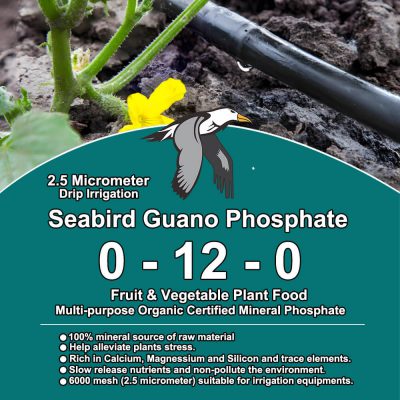
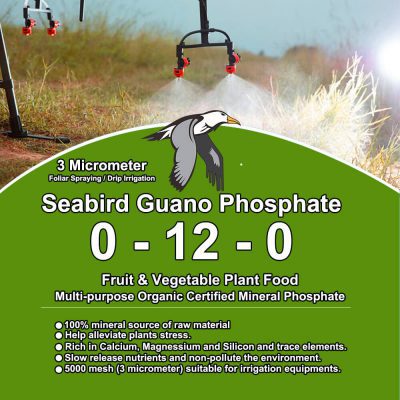
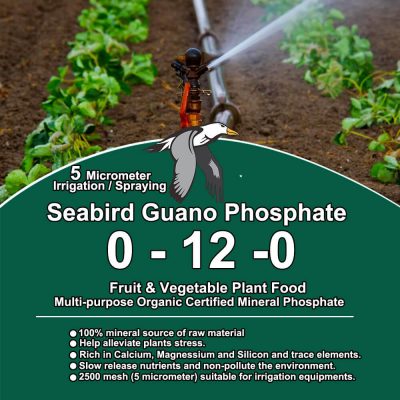
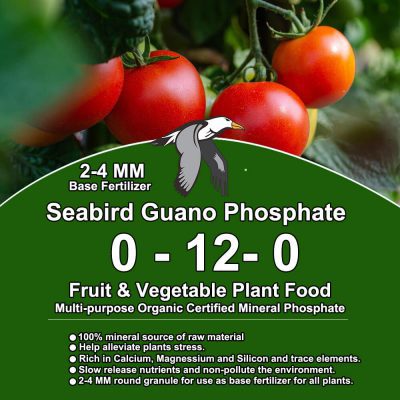
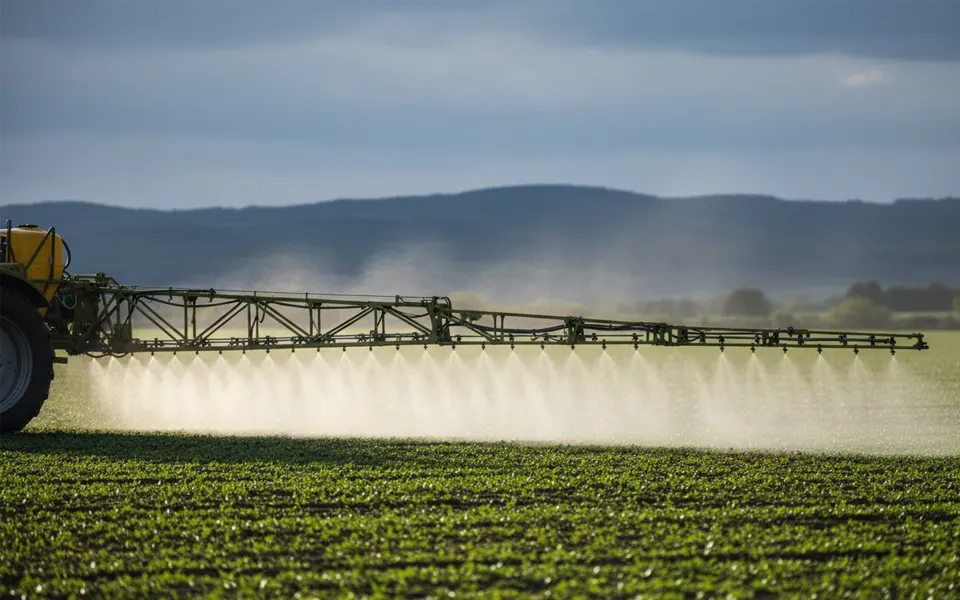
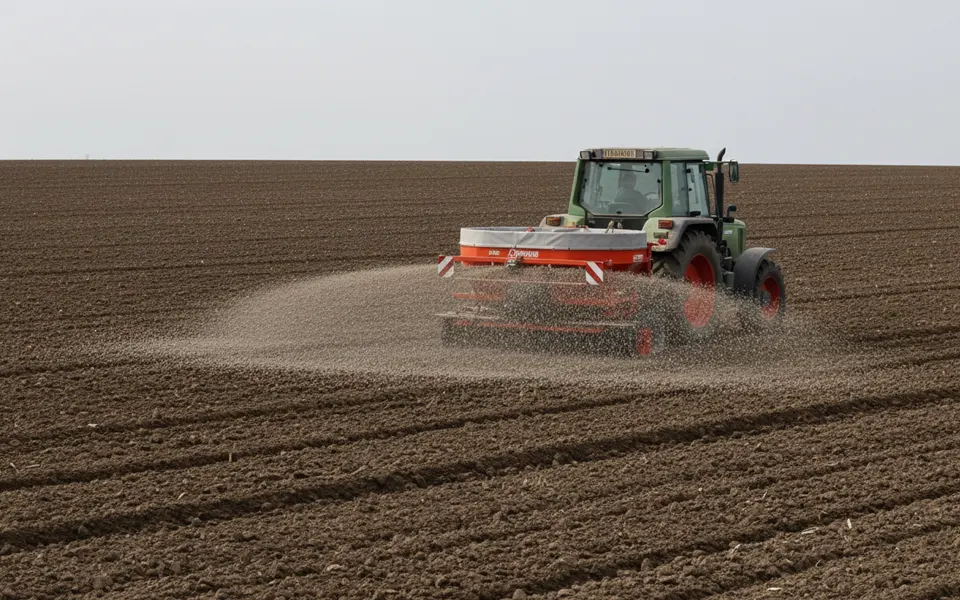
Sınıfı yönteme göre eşleştirme
Kuru tozu dağıtmak yerine sıvı kuş gübresi kullanmayı tercih eden alıcılar için bir süspansiyon konsantresi de mevcuttur.
Mesh, teklifte en çok atlanan ve en çok pişman olunan spesifikasyondur. İnce sınıflar, bir emitörden geçecek kadar uzun süre süspansiyonda kalır. Kaba sınıflar çöker ve onu tıkar. Sulama hattını tıkayan bir sınıf ucuz olmaktan çıkar, bu nedenle fiyat karşılaştırmadan önce sınıfı uygulama yöntemine göre sabitleyin. 2.500 mesh'lik toz kuş gübresi, püskürtme ve açık sulama için genel amaçlı seçimdir.
Kuş gübresi tozu bir çözeltiden ziyade mineral süspansiyonudur, bu nedenle tankta karıştırma gerektirir ve gece boyunca statik bir hatta çöker. Önceden karıştırıp bırakmak yerine devridaimli bir tank veya enjektör planlayın.
Granül ters yönde davranır. Serpme makinesinin koyduğu yerde durur ve aylar içinde ayrışır; taban gübrelemesi için doğru, bu hafta ihtiyacınız olan herhangi bir şey için yanlıştır.
Alıcılar hangi sınıfın en güçlü olduğunu sorar. Hiçbiri değildir.
Aynı malzeme farklı öğütülmüştür: bir ton 6.000 mesh ile bir ton granül aynı fosforu taşır. Değişen şey, köke ne kadar hızlı ulaştığı ve hangi ekipmanın bunu uygulayabileceğidir. Sınıf, bir uygulama kararıdır. Bunu bir etki kararı olarak ele almak, alıcıların kullanamayacakları incelik için prim ödemesidir.
Oranlar ve zamanlama
Uygulama oranları
0-12-0 malzeme için başlangıç noktaları. Toprak testi hepsini geçersiz kılar.
| Yöntem | Oran |
|---|---|
| Yatak hazırlığı | 100 ft² başına 2–5 lb, üst 3 inçe işlenir |
| Şaşırtma | Bitki başına 1–3 yemek kaşığı, geri dolgu ile karıştırılır |
| Yerleşik bitkiler | Büyüme mevsimi boyunca bir kez üst gübreleme |
| Damla ve gübreleme sulama | Suda 1:800 ila 1:1000, çalkalanır |
İlk iki satır, ABD perakende tedarikçilerinin yayınladığı yayılımdır, bizim ölçtüğümüz rakamlar değil. Ödünç alınmış olarak etiketlenmiştir çünkü bu sayfanın geri kalanı öyle değildir: analiz, yedi metal ve parti yayılımı bize aittir.
Tarla ölçeğinde serpme oranları bilinçli olarak verilmemiştir. Bunlar toprak testi fosforu ve ürün kaldırımından kaynaklanır, torba etiketinden değil. Toprak raporunu talebinizle birlikte gönderin.
Guano bir fosfor girdisidir: kökler ihtiyaç duymadan önce toprağa karışmalıdır, yaprakta eksiklik göründüğünde değil. Aşırı uygulamanın iki tavanı vardır: kalsiyum yükü ve tuz indeksi. Bitkinin kullanamadığı fosfor koyduğunuz yerde kalır, bu yüzden fazlalık toprakta bekleyen paradır. Zamanlama, karıştırma sırası ve bu oranların arkasındaki mantık şuradadır: deniz kuşu guanosu kullanımına dair saha rehberi.
Peletlenmiş deniz kuşu guanosu ve deniz kuşu guano peletleri, çoğu alıcının granül sınıf için kullandığı terimlerdir. Şartnameniz pelet gerektiriyorsa, boyut toleransını gönderin ve 2–4 mm'nin buna uyup uymadığını fiyat teklifinden önce teyit edelim, serpme makinenize uymayacak bir şeyin teslimatından sonra değil.
Uygulama yöntemini gönderin ve fiyat gündeme gelmeden sınıfı belirleyelim.
Yönteminiz için sınıfı kontrol edin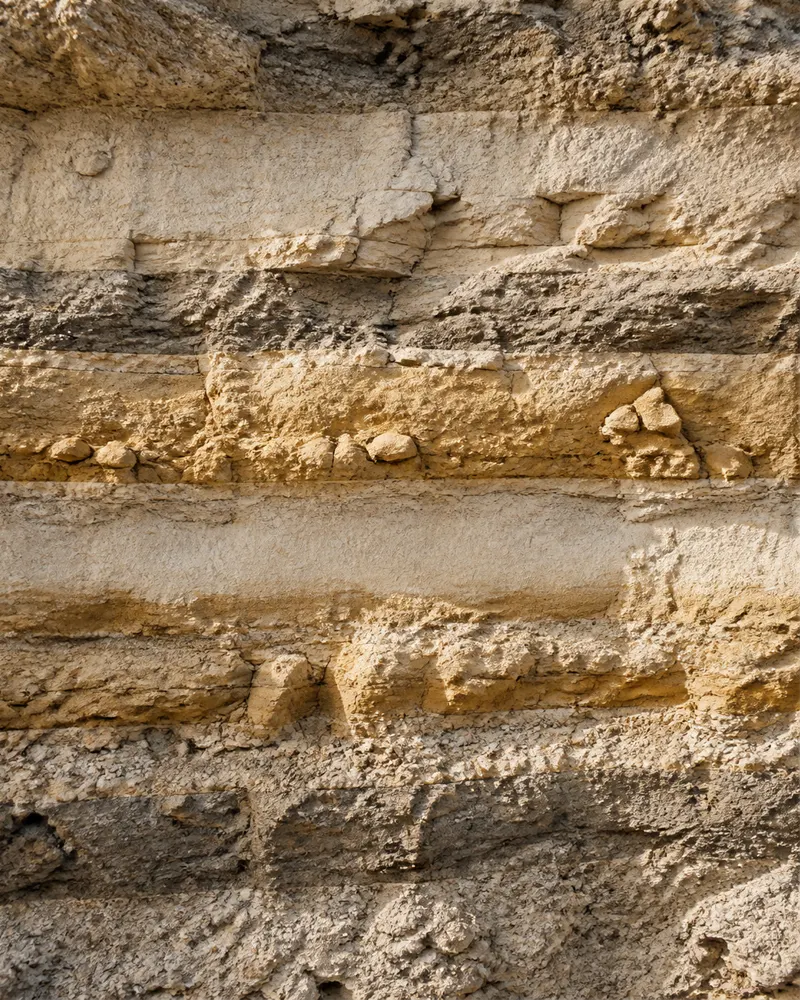
Maden kaynaklı malzeme, dürüstçe tanımlanmış
Parti Değişimi
Maden girdisi tedarikçisine analizlerini sorun, dürüst cevap bir nokta değil, bir aralıktır. Bizimki, bir partinin damarın hangi kısmından geldiğine bağlı olarak –40 CaO arasında değişir.
Koloniler eşit şekilde birikmedi, ayrışma eşit şekilde ilerlemedi ve öğütme parçacık boyutunu değiştirir, alttaki minerali değil.
Etrafında okuma yapmış bir alıcı burada itiraz edecektir. Aynı Avustralyalı üretici, örneğin yüzde 9 ila 11 gibi bir aralık olarak verilen fosfor rakamının, eşit olmayan kalitede birkaç yataktan karıştırılmışmalzemeyi gösterebileceği konusunda uyarır. Uyarı doğrudur ve bir aralık iki çok farklı şey anlamına gelebilir.
Ayrım, tedarikçinin aynı zamanda partiyi üretip üretememesidir
Tek bir damar içindeki doğal değişim size bir aralık verir ve bir parti sertifikası, çünkü her sevkiyat çıkışta test edildi. Karıştırma size bir aralık verir yerine bir parti sertifikası, çünkü karışım değişir ve kimse ne girdiğini takip etmedi. Bu yüzden ikisini de isteyin.
Aralık, parti verileriyle birlikte gelirse, aralık jeolojidir. Tek başına gelirse, neyin ortalamasının alındığını sorun. Cevap genellikle kısadır ve genellikle açıklayıcıdır.
Bir sonraki soru tedarikçileri daha hızlı ayırır: bir parti aralık dışı. Bunu bize de sorun ve bir güvence değil, bir prosedür bekleyin. "Hiç olmaz" diyen bir tedarikçi pazarlama pozisyonu tarif ediyordur; toprak bazlı malzeme öyle davranmaz.
Hedef bir fosfata göre formül yapan alıcılar bunu ilk hisseder. Beş puanlık bir sapma tarifi değiştirir ve karıştırdıktan sonra öğrenmek, bir e-postadan daha pahalıya mal olur. Garanti edilen minimumumuzun toplam P₂O₅ olmasının ve iyi bir partinin 'te test edilmesinin nedeni budur: kayıtlı bir garanti, aralığın ortalamasında değil, tabanında geçerli olmak zorundadır.
Parti verileri sevkiyatla değil, sevkiyattan önce gönderilir; böylece karar hâlâ karar iken karar sizin olur.
Bir parti aralık dışı geldiğinde ne olacağını sorun. Bir güvence değil, bir prosedür bekleyin.
Bu soruyu bize sorunBu üç durumda başka yerden satın alın
Bu Ürün Neler İçin Değildir
Faturadan sonra değil, öncesinde ortaya konan, başka bir şey satın almanız gereken üç durum.
Her seferinde aynı sayıya ihtiyacınız var
Perakende markaları, torbalar arasında sıkı bir spesifikasyon tutmak için eleme ve harmanlama yapar ve küçük miktarlar için bu tutarlılık prim değerindedir. Bizim tedarik ettiğimiz, belirtilen bir aralığı ve parti başına sertifikası olan çıkarılmış bir malzemedir. Ev bahçesi için bu, kimsenin ihtiyaç duyduğundan daha fazla bilgidir. Down To Earth veya True Organic size daha iyi hizmet edecektir ve 5 lb'lik ambalajları minimumumuzu büyük farkla geçer. Hiç çekinmeden onlardan satın alın. Bir aile üyesine de aynısını söylerdik.
Azota ihtiyacınız var
%0,3 N ile bu doğru tercih değil, ve hiçbir uygulama oranı bunu düzeltmez. Azot kaynağını ayrıca planlayın: bir amino asit gübresi, kan unu veya balık bazlı bir girdi. Tam organik program yürüten yetiştiriciler genellikle sentetik kullanıcının tek torba alacağı yerde iki veya üç girdiyle kalır ve yalnızca fosfor içeren guano bu kararı sezonun en başında zorlar.
Toprağınız zaten alkali
Bu materyali değerli kılan kalsiyum aynı zamanda pH’ı yukarı iter. Kireçli zeminde yardımcı olmaz, zarar verebilir. Sipariş vermeden önce, serpme sonrasında değil, toprak testi yaptırın. Aynanın yansımasını da belirtmek gerekir: asidik ve yüksek yağışlı topraklardaki yetiştiriciler aynı kalsiyumdan ikinci bir fayda sağlar; bu yüzden bu materyal kurak pazarlardan çok tropik pazarlara daha iyi gider.
Bu üçünden hiçbiri maden kaynaklı bir fosfat için sıra dışı değildir. Sıra dışı olan, bunların faturadan sonra keşfedilmek yerine faturadan önce yazılmış bulunmasıdır; bu bölümün yaptığı tek gerçek argüman da budur.
Status, stated exactly
Sertifikasyon ve Belgeler
Rutom Bio holds an ECOCERT girdi belgesi dört programda. Her iki guano sınıfı da belgede adlandırılmıştır: Guano Granüler ve Guano Mikropudra, gübre ve düzenleyici için hammadde olarak.
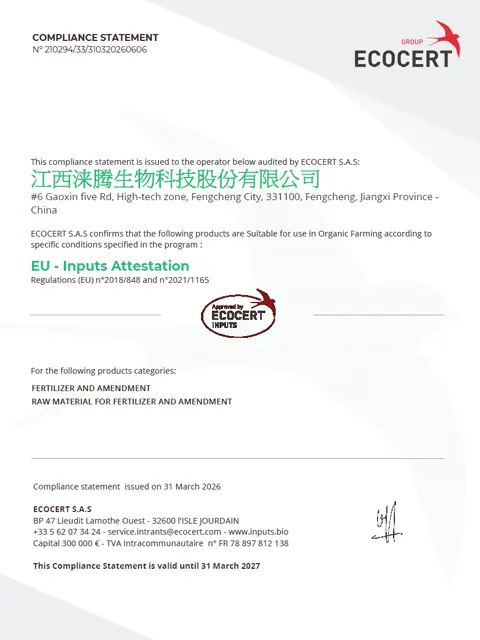
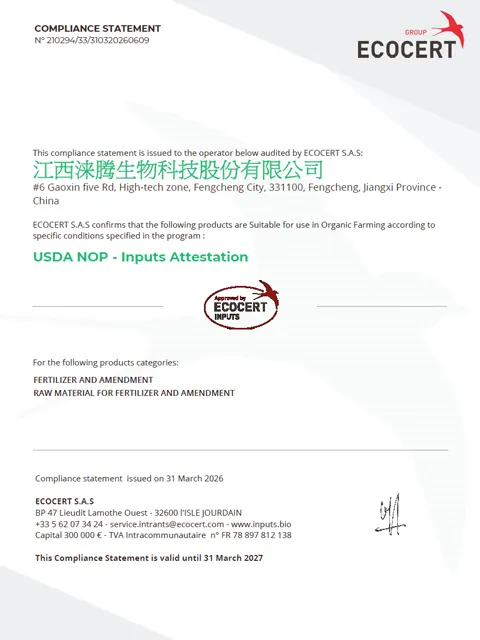
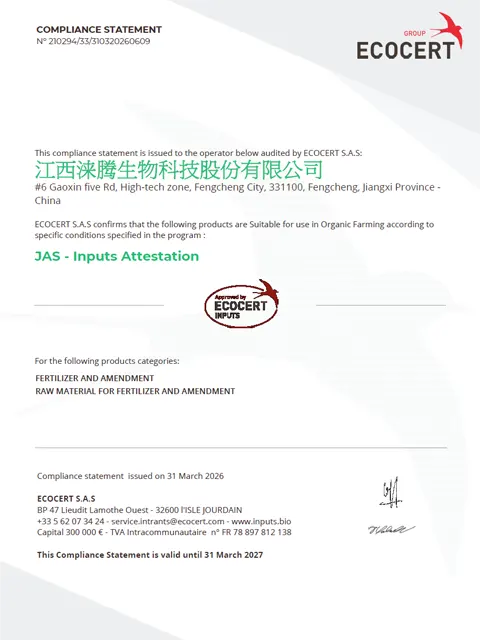
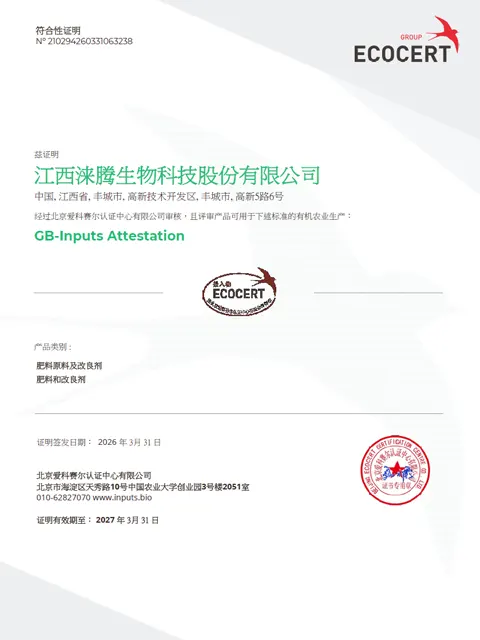
Bu ifade logodan daha önemlidir. Bir girdi tasdiki, ürünün organik sertifikası değildir ve ECOCERT bu ayrımı belgeye yazar: organik tarım için sertifikalı değildir, organik tarımda kullanıma uygun olarak tasdik edilmiştir. Maden kaynaklı bir girdi için doğru statü budur.
Diğer ürünler için CERES onaylarımız mevcuttur. Deniz kuşu guanosu bunlarda listelenmemiştir, bu yüzden CERES için iddiada bulunmuyoruz. Bir sonraki yenilemede eklenir; bu belge var olana kadar bir iddia değildir.
OMRI listesine sahip değiliz. Birkaç ABD markası sahiptir, bu yüzden alıcınız bunu gerektiriyorsa bize erken söyleyin. Bizim organik gübre sertifikasyonu rehberi her planın kapsamını açıklar; full certificate library is downloadable.
Herhangi bir belgede, bizimki dahil, ürün adını kontrol edin. Satın aldığınız guano organik gübresi listelenmemişse, kapsam dışıdır. Bir belge bir üreticiyi ve listelenmiş bir ürünü kapsar, asla bir sevkiyatı kapsamaz; lot sertifikası bunun içindir.
Talep üzerine gönderdiğimiz belgeler
- Teklif edilen belirli lot için parti analiz sertifikası
- Toplam fosfat, kalsiyum, magnezyum ve ağır metalleri kapsayan üçüncü taraf test raporu
- ECOCERT inputs attestation, with scope and validity
- Safety data sheet
- Sevkiyattan önce hazırlanan bitki sağlığı sertifikası
- Gümrük işlemleri için paketleme listesi ve ticari belgeler
Evrak işleri, organik girdilerin en çok takıldığı yerdir. Sınıflandırma, bitki sağlığı gereklilikleri ve organik belgeler bir konteyner hareket etmeden önce sıraya girmek zorundadır ve birindeki uyumsuzluk diğer ikisini durdurur. Sınıflandırmayı ayrı bir notta ele alıyoruz: organik gübre HS kodları. Hedef ülke kaydını da erken yükseltin: birçok ülke, ilk sevkiyat gelmeden önce ithalatçının ürünü kaydettirmesini gerektirir ve bu süreç yukarıda listelenen belgeler üzerinden yürür.
Hedef pazarı belirtin, sipariş vermeden önce sertifika kapsamını doğrulayalım.
Request the document setGetting it to your port
Packaging and Shipping
Standart ambalaj, 25 kg'lık çuvallar, 40 kg'lık çuvallar ve 1.000 kg'lık büyük çuvallar şeklindedir. Belirli bir çuval boyutu veya çuval işaretlemesi gerekiyorsa, bunu sipariş verildikten sonra değil, teklif aşamasında belirtin.
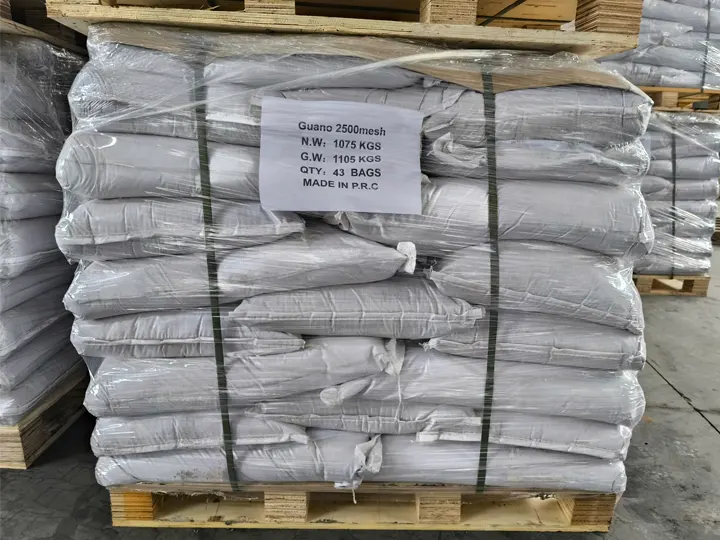
25 kg
Perakende boyutlarında ileri satış yapan yeniden paketleyiciler için.
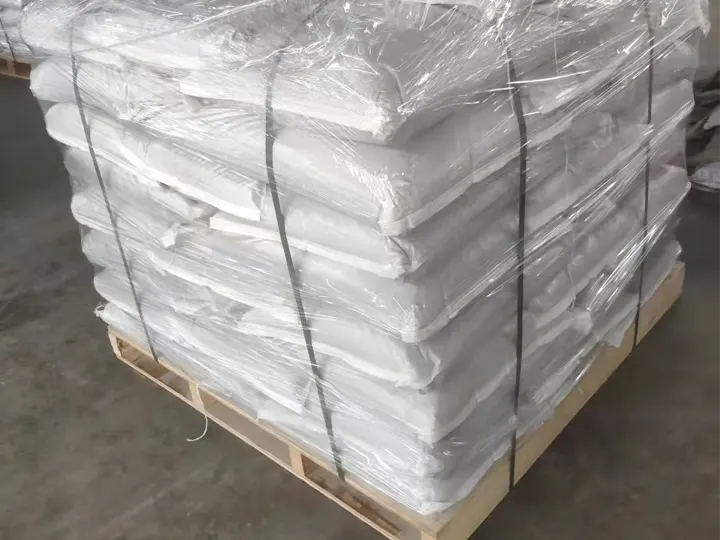
40 kg
Standart torbalı ihracat formatı.
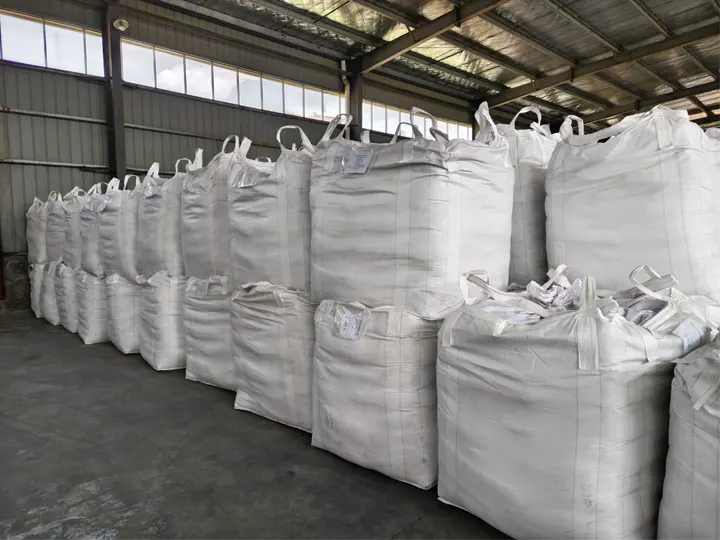
1.000 kg
Sahada harmanlama yapan alıcılar için büyük çuvallar. Paletsiz yüklenir.

Navlun, teslim şartları ve depolama
Tote çuvallardaki toplu deniz kuşu guanosu, sahada karıştırma yapan alıcılar için uygundur; 25 kg ise perakende boyutlarında ileri satış yapan paketleyiciler için uygundur. Torbalı ürünler paletli ve streç filmle sarılı olarak sevk edilir; toplu deniz kuşu guanosu tote çuvalları paletsiz yüklenir.
Bir 20 ft konteyner yaklaşık 20 ton granül malzeme alır. Toz, sınıfa ve paketleme yoğunluğuna göre farklı yüklenir, bu yüzden navlunu kesinleştirmeden önce yükleme planını doğrulayın. Fosfat, konteynerin dolmadan çok önce ağırlık sınırına ulaşması için yeterince yoğundur, bu yüzden hacim nadiren kısıtlayıcıdır.
Şartlar EXW veya FOB'dur. Fitosaniter sertifikalar, rezervasyondan sonra değil sevkiyattan önce hazırlanır, bu da menşede gecikmenin en yaygın nedenini ortadan kaldırır. Varış limanını erken belirtin: muayene gereksinimleri pazarlar arasında belge setini değiştirecek kadar farklılık gösterir.
Minimum sipariş miktarı ve teslim süresi sınıfa, paketlemeye ve formülasyonun standart mı özel mi olduğuna bağlıdır. Her ikisi de burada yayınlanmak yerine teklifte onaylanır, çünkü sınıfınızı ve varış noktanızı göz ardı eden tek bir rakam yanıltıcı olur. Sorun, aynı gün belirli bir cevap alırsınız.
İnce sınıflar için depolama, çoğu alıcının beklediğinden daha önemlidir
Tesisten %1,2 nemle çıkan toz, nemli havadan su emer ve topaklanır. Topaklanma analizi değiştirmez, ancak kullanımı bozar ve ince sınıfın seçildiği ekipmanı tıkayabilir. Kapalı tutun. Kuru tutun. Nemli limanlardaki depolar, iyi malzemenin en sık bozulduğu yerlerdir; transit sırasında değil, varış ile ilk kullanım arasında.
Minimum sipariş ve teslim süresi sınıfa, paketlemeye ve varış noktasına bağlıdır. Sorun, cevap aynı gün gelir.
Teklif ve yükleme planı alın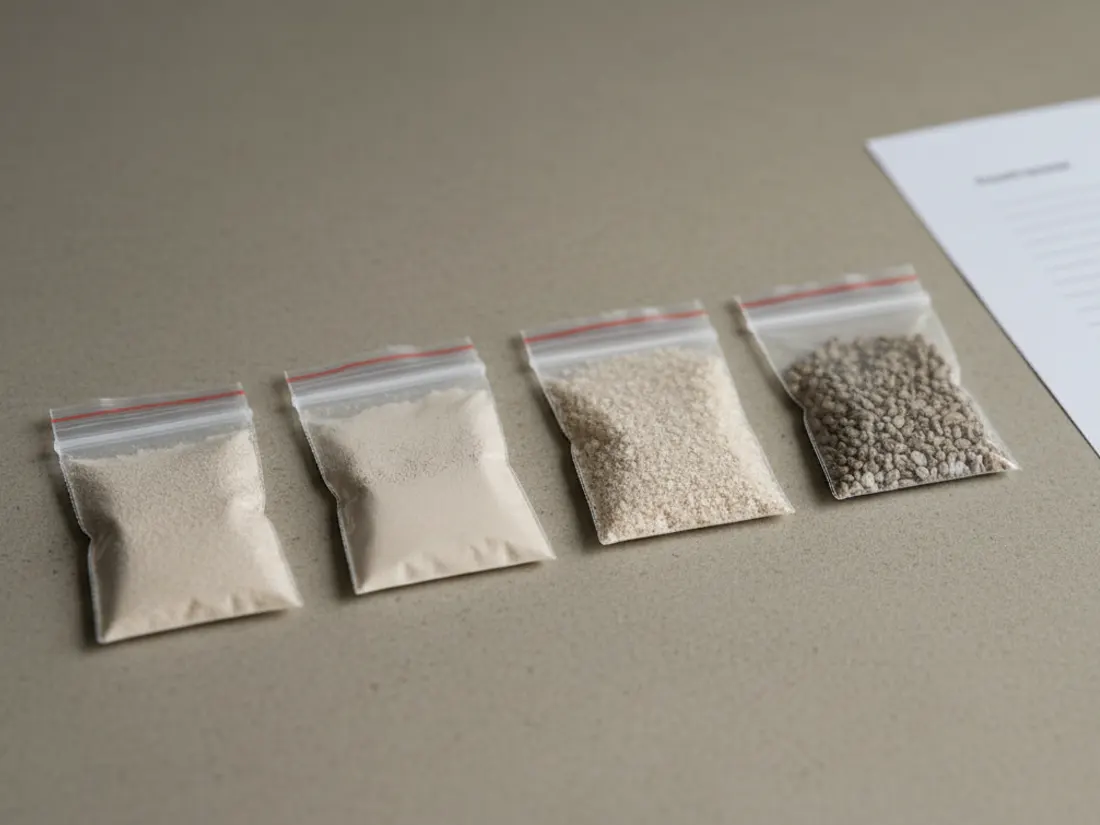
Sonraki adım
Numune Talep Edin
Bu malzemeyi değerlendirmek için gereken her şey yukarıda: spesifikasyon, üçüncü taraf rakamları, ağır metal paneli, sınıf aralığı ve başka birinden satın almanız gereken üç durum. Sorgulama aşaması için hiçbir şey saklanmadı.
Analizi siz sorana kadar saklayan bir sayfa, siparişinizi kazanmak yerine sabrınızı test ediyor. Sırada ne var: gerçekten ihtiyacınız olan sınıfın bir numunesi ve ona ait parti analizi.
Yazarken üç şey ekleyin
Düşündüğünüz sınıf ve paket boyutu, sertifikasyon kapsamını kontrol edebilmemiz için varış pazarı ve standart 0-12-0 mı yoksa özel bir oran mı gerektiği.
Numuneyle birlikte tipik bir analiz yerine parti analiz sertifikası gönderiyoruz, çünkü tipik bir analiz kutudaki malzeme hakkında size hiçbir şey söylemez. Guano gübresi fiyatı sınıfa, paketlemeye ve navluna bağlıdır, bu yüzden bir teklif sınıf ve hacim belirlendikten sonra gelir. Bu yüzden çoğu toplu guano gübresi satışında hiçbir yerde liste fiyatı yoktur.
Hâlâ tedarikçileri karşılaştırıyorsanız, karşılaştırma tablosundaki dört soruyu listenizdeki herkese sorun: toplam fosfat, ağır metal paneli, parti sertifikası, partikül boyutu seçenekleri. Sormak hiçbir şeye mal olmaz. Dört sorunun hepsini tek bir yanıtta yanıtlayan bir tedarikçi, o tedarikçi biz olsak da olmasak da daha fazla konuşmaya değer.
Sınıf ve paket boyutunu, varış pazarını ve standart 0-12-0 mı yoksa özel bir oran mı gerektiğini gönderin.
Numune ve parti analizi talep edinSSS
Sıkça Sorulan Sorular
Alıcıların en sık gönderdiği sekiz soru. Sizinki burada değilse, tahmin etmektense sormak daha hızlıdır.
Asgari sipariş miktarı nedir?
Bu, kalite sınıfına ve ambalajına bağlıdır; ayrıca özel formülasyonlar da standart formülasyonlardan farklılık gösterir. Kalite sınıfını ve varış yerini bildirirseniz size teyit ederiz.
Özel bir NPK oranında ürün tedarik edebilir misiniz?
Evet. Belirtilen bir hedef değer doğrultusunda karışım hazırlıyoruz ve ayrıca süspansiyon konsantresi de temin edebiliriz. İhtiyacınız olan analiz sonuçlarını ve uygulama yöntemini bize iletin; çünkü bu iki unsur birlikte, karışımın pratik olup olmayacağını belirler.
Bu organik guano gübresinin sertifikası var mı?
Onaylıdır, sertifikalı değildir. AB, USDA NOP, JAS ve GB programları kapsamında ECOCERT girdi onayı taşımaktadır; bu, maden kaynaklı organik girdilerin aldığı statüdür. Ne CERES ne de OMRI bu ürünü kapsamaktadır.
Toz sınıflarını birbirinden ayıran nedir?
Uygulama yöntemini belirleyen parçacık boyutu. 6.000 ve 5.000 mesh'lik ürünler damla sulama emiterlerinden geçebilir; 2.500 mesh'lik ürün yaprak püskürtme ve açık sulama için uygundur; granül form ise toprak uygulaması içindir.
Neden azot değeri sadece 0,3%?
Çünkü tortul fosilleşmiştir. Azot yüzyıllar boyunca süzülerek fosfat ve kalsiyumu geride bırakmıştır. Taze guano bir azot ürünüdür; bu öyle değildir ve yüksek azotlu olarak satılan herhangi bir organik gübre guanosu ya taze malzemedir ya da yanlış etiketlenmiştir.
Sevkiyatla birlikte hangi belgeler gelir?
Parti analiz sertifikası, üçüncü taraf test raporu, ECOCERT girdi belgesi, güvenlik veri sayfası, fitosaniter sertifika, paketleme listesi.
Belirli bir parti için analizi nasıl alırım?
Teklif aşamasında parti numarasıyla talep edin. Parti verileri sevkiyatla değil, sevkiyattan önce gönderilir.
Kalsiyum toprak pH'ını yükseltir mi?
Yükseltebilir. Alkali topraklarda bu, farklı bir fosfor kaynağı seçmek için bir nedendir; asidik topraklarda aynı kalsiyum ikinci bir faydadır.
İlgili kaynaklar
Organik Gübre
Kategori sayfası, fosfattan daha fazlasını tedarik ediyorsanız ve hattın tek bir belge setine bağlı kalmasını istiyorsanız.
Çin'de Organik Gübre Tedarikçisi: Alıcının Kontrol Listesi
Bu sayfa tek bir ürünü kapsar. Bu sayfa ise arkasındaki tedarikçiyi kapsar: hangi belgeleri talep etmeli, hangi iddiaları test etmeli ve ölçeklendirmeden önce ilk sipariş nasıl görünmeli.
Son şey
İki teklifi karşılaştırıyorsunuz ve ayırt edemiyor musunuz?
Kaliteyi, paket boyutunu ve varış noktasını gönderin. Spesifikasyonu, sevk edeceğimiz parti için parti analiz sertifikasını ve ağır metal panelini alırsınız, böylece karşılaştırma sıfatlardan ziyade belgeler üzerinden yapılır.
Bize üç şey söyleyin
- Kalite ve paket boyutu
- Hedef pazar
- Standart 0-12-0 veya özel oran



 English
  Spanish
  French
  Japanese
  Korean
  German
  Portuguese
  Italian
  Indonesian
  Vietnamese
  Turkish
  Persian
  Russian
  Chinese