
Factory-Direct Supply Organic Solution for Sustainable Agriculture
With factory-direct supply, strict quality control, and flexible formulations, we serve fertilizer distributors, importers, and agricultural projects worldwide.
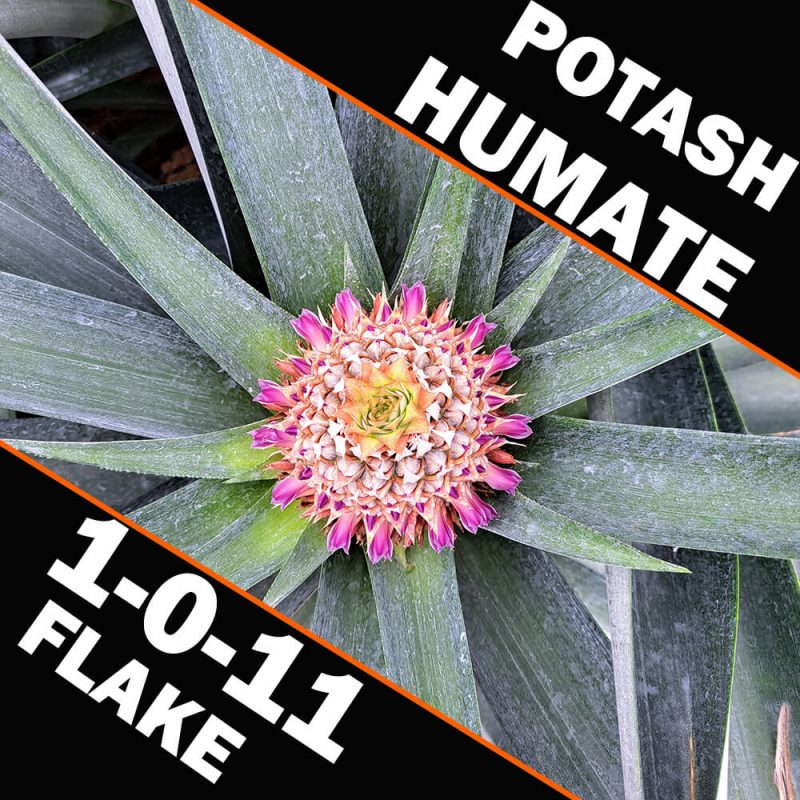
What is Humic Acid?
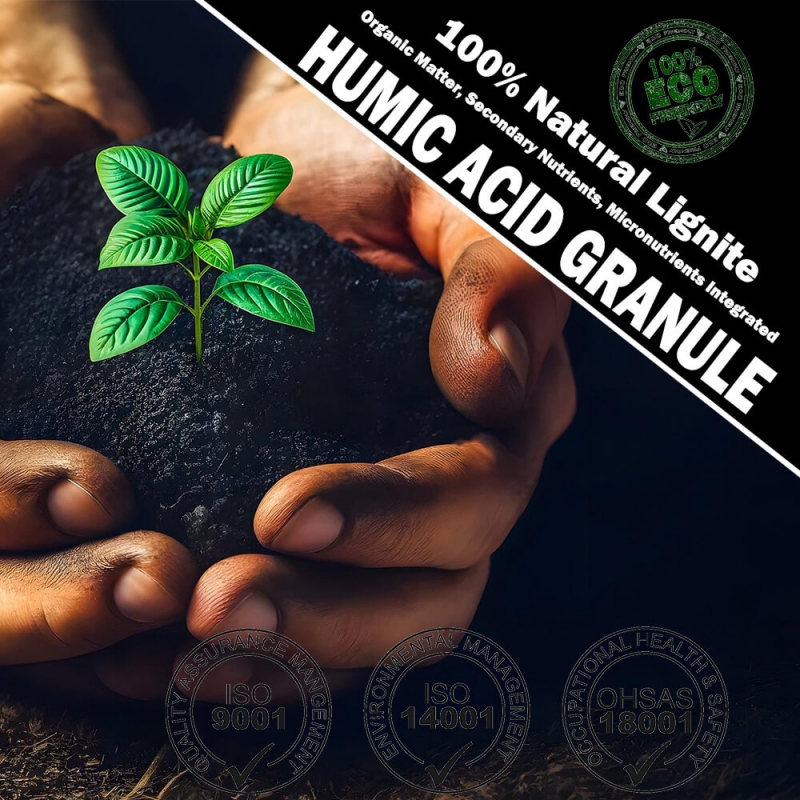
Humic Acid (HA) is a kind of dark, complicated organic molecule that comes from dead plants and animals. It is very important for healthy soil because it improves structure, holds nutrients, and supports microbial life. It works by binding nutrients, buffering pH, increasing the soil’s ability to exchange cations, and stimulating the growth of plant roots. This makes plants healthier and stronger, and they can absorb more water.
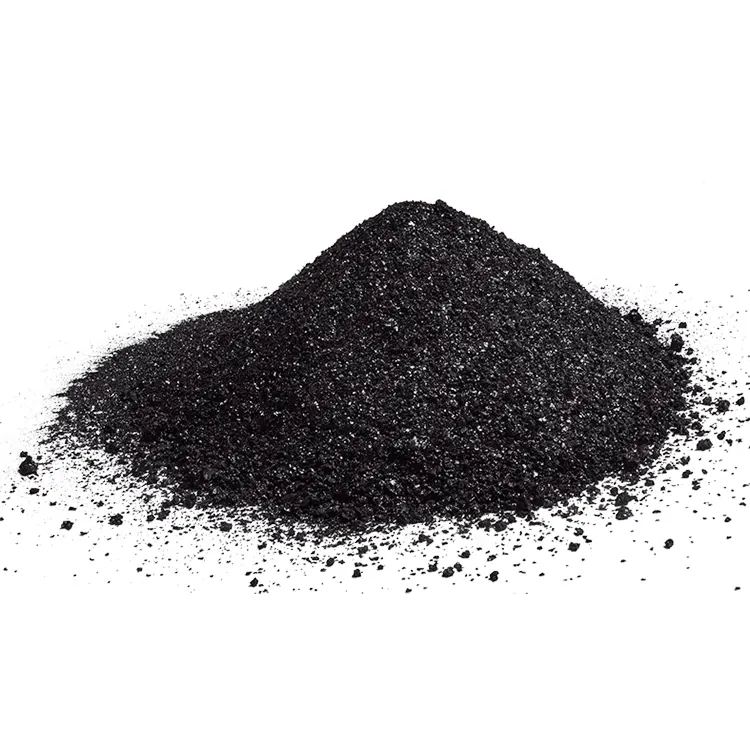
Humic substances exist in all soils and waters, originating from the decomposition of plant material. They are divided into humin, humic acid, and fulvic acid based on how they are extracted. Humates and fulvates are the names of their salts. Humic acid is the main part of humus and is what makes it alive. Peat has about 3–10% humic acid, and fertile soil has a maximum of 3%. Humic acid can be found in a certain layer of soft brown coal that hasn’t yet turned into lignite. The concentration can be as high as 85%. Leonardite is the name given to this soft brown coal layer around the world. Leonardite has more humic acid and is more oxidized than soft brown coal. Since Leonardite was found to have a lot of humic acid, it has become much more common to make it for use in agriculture.
humic acid benefits
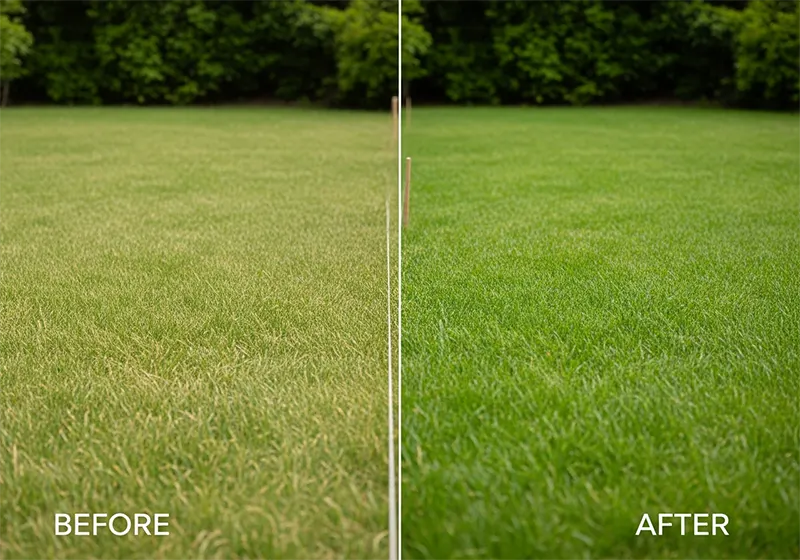
Humic acid can offer organic nutrients for soil and improve plant growth; it acts as a natural soil conditioner, which can improve soil structure, water retention, and nutrient absorption.
Improves Soil Structure:
Binds soil particles, creating better aeration, water penetration, and root growth.
Enhances Nutrient Uptake:
Acts as a chelator, making essential nutrients (N, P, K, micronutrients) more available to plants and reducing fertilizer loss.
Increases Water Retention:
Helps soil hold moisture longer, reducing watering needs and improving drought tolerance.
Regulates Soil pH:
Neutralizes both acidic and alkaline soils, creating a better environment for plants.
Feeds Soil Biology:
Provides food and habitat for beneficial microbes, boosting soil health.
Boosts Crop Performance:
Leads to increased biomass, root mass, and overall plant health.
Humic Acid Application
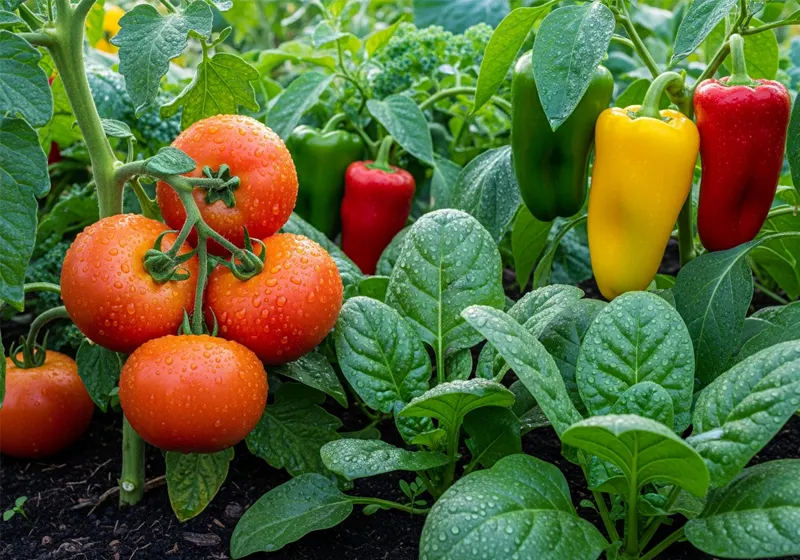
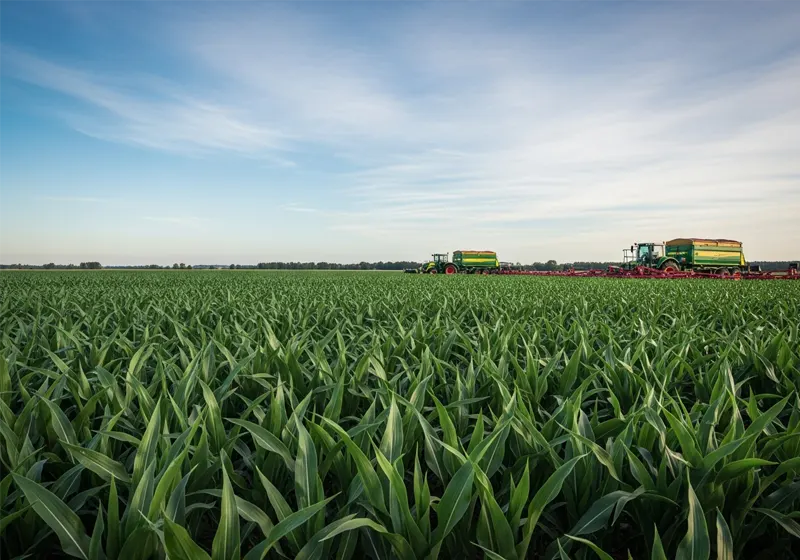
About the humic acid application, it can be use for many field, such as soil amendment, for plants, lawns, garden, agriculture, etc.

Humic Acid Vs. Fulvic Acid
Many people or new gardeners often mix up the humic acid and fulvic acid; they look a little the same. They come from the same place; both of them come from humic substances. But they are definitely different items. They differ mainly in how big their molecules are and how well they dissolve in water.
The difference between humic acid and fulvic acid:
| Properties | Humic Acid | Fulvic Acid |
|---|---|---|
| Molecular size | Large, complex | Very small |
| Molecular weight | High | Low |
| Color | Dark brown/black | Yellow to light brown |
| Water solubility | Only soluble in alkaline pH | 100% water-soluble at all pH levels |
| Primary focus | Soil improvement | Plant metabolism & nutrient transport |
Who We Are
Leading Organic Fertilizers Manufacturer & Supplier in China
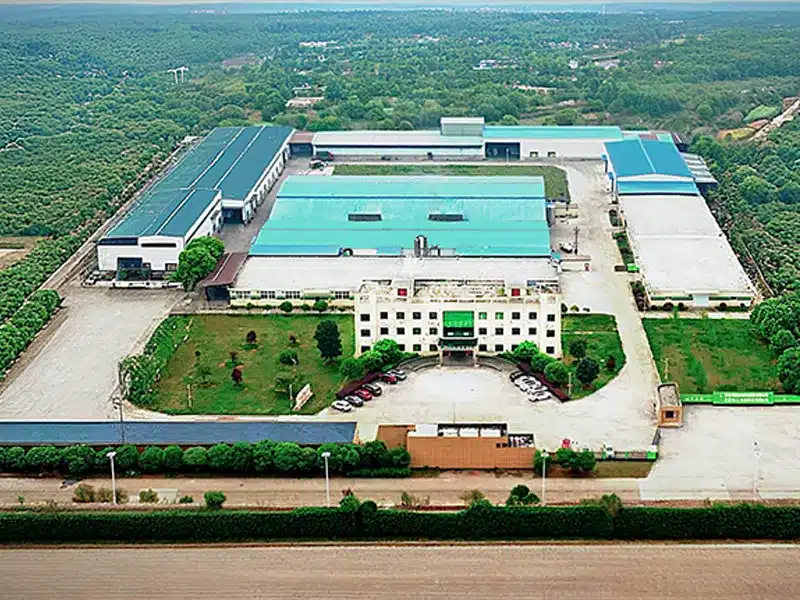
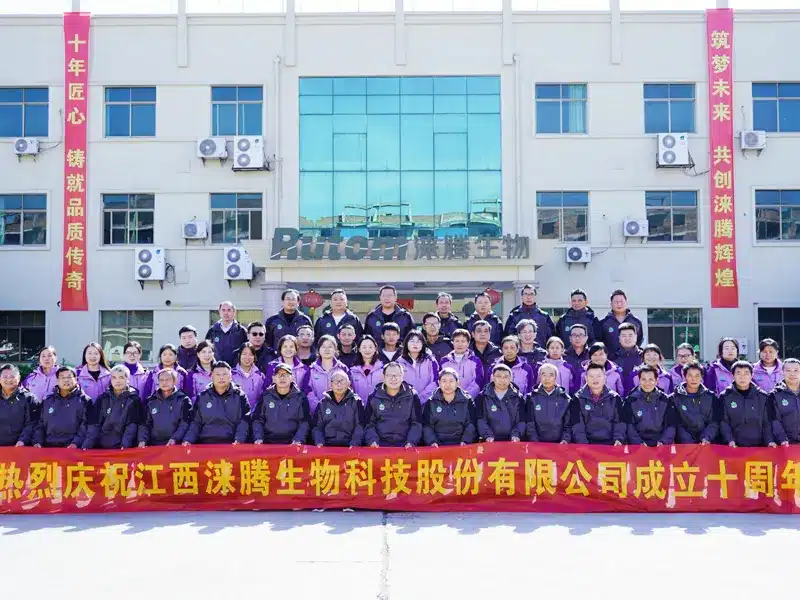
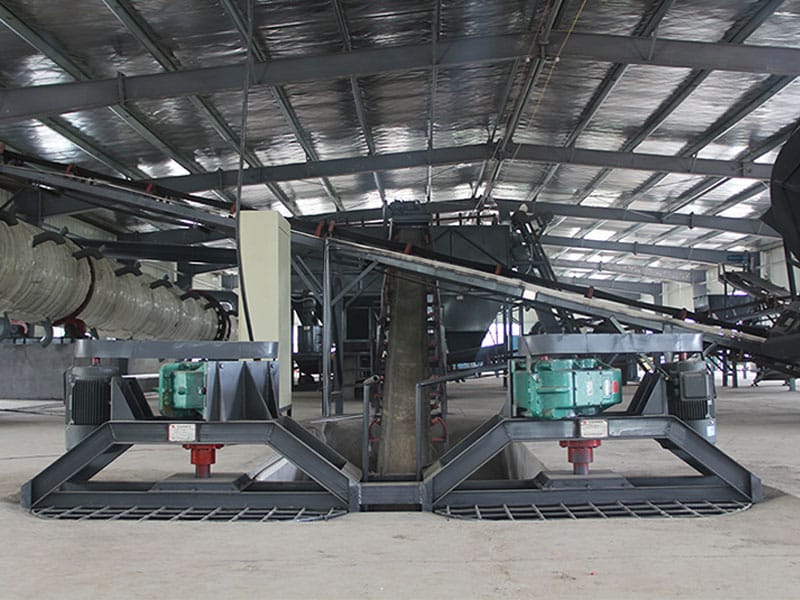
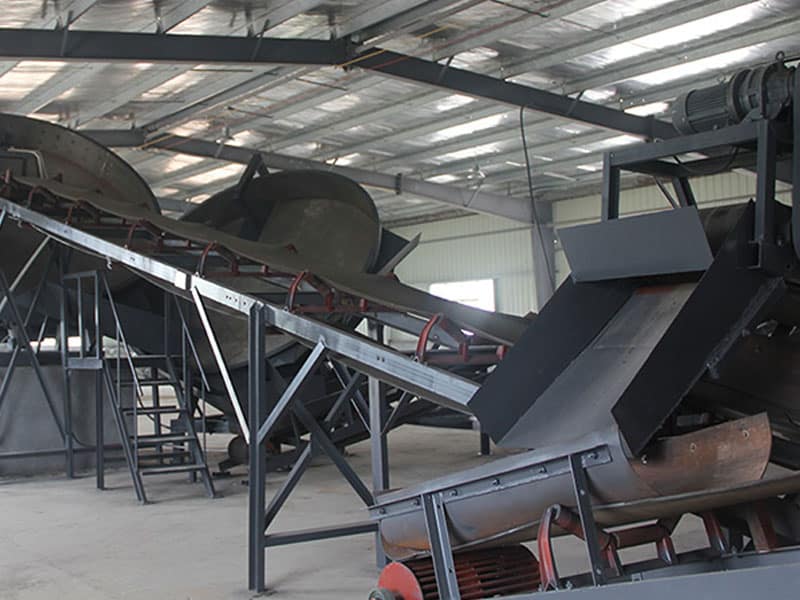
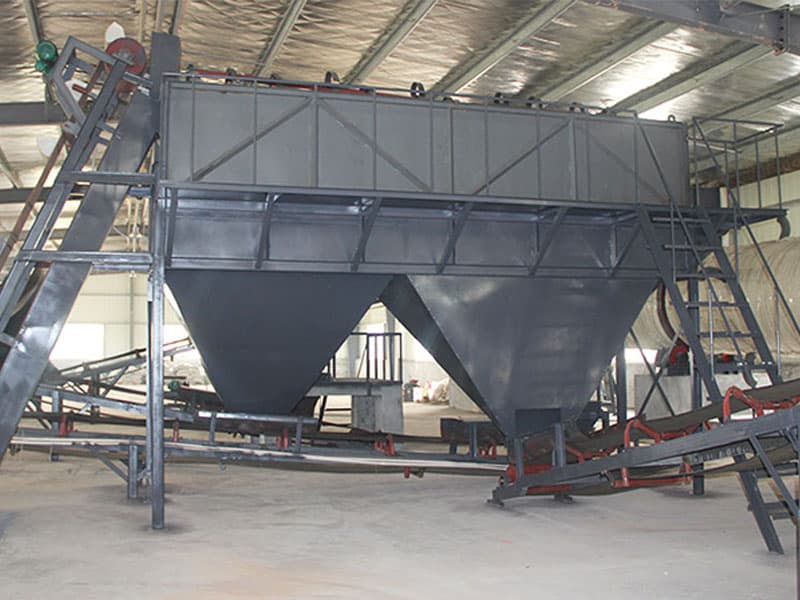
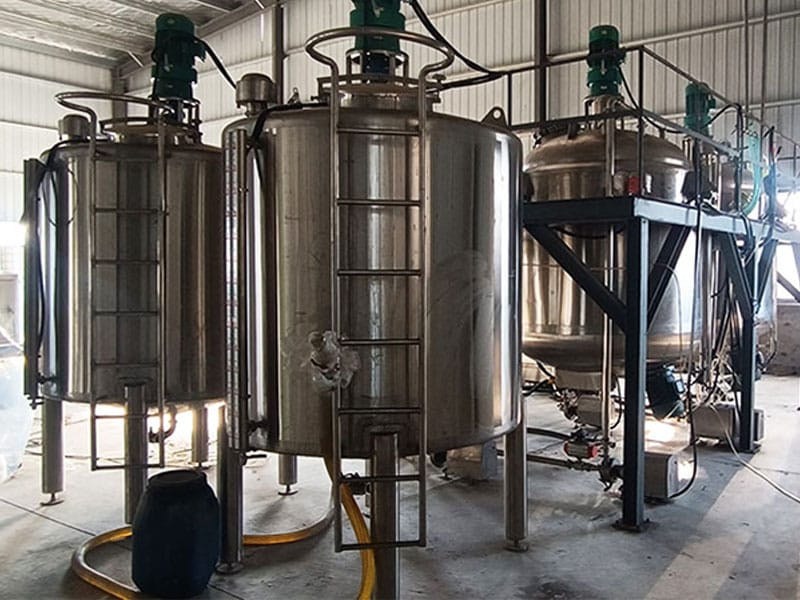
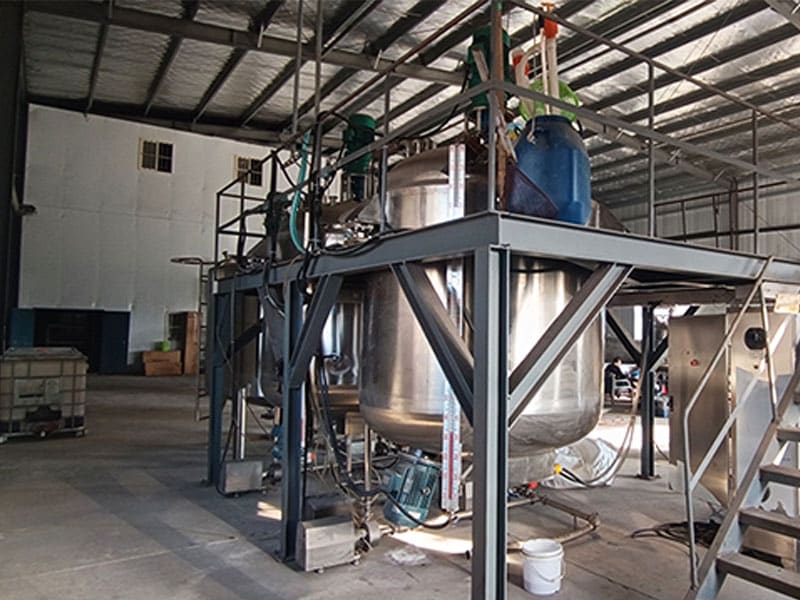
Jiangxi Rutom Biotechnology Co., Ltd is a comprehensive company with 10 years of experience in the research, development, and production of organic fertilizers, organic-inorganic compound fertilizers, liquid fertilizers, and water-soluble fertilizers. Equipped with multiple industry-leading production lines, we are committed to meeting your diverse needs.
Our production base covers more than 70,000 square meters with a modernized office building, well-equipped workshop, experienced R&D team, and world-class organic fertilizer production lines. We also actively introduce advanced technology and scientific formulations from home and abroad. At present, our factory has an annual output of 50,000 metric tons.
With high-quality products and excellent customer service, our company enjoys a good reputation in the industry. Our products sell well in the USA, Canada, Spain, Korea, South Africa, Australia, New Zealand, and other developed countries. We export around 20,000 metric tons of organic fertilizer annually.

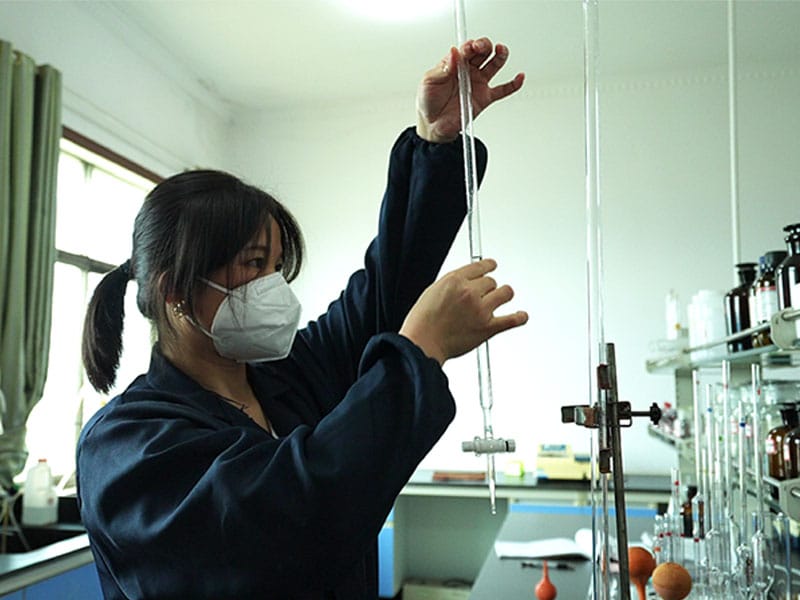
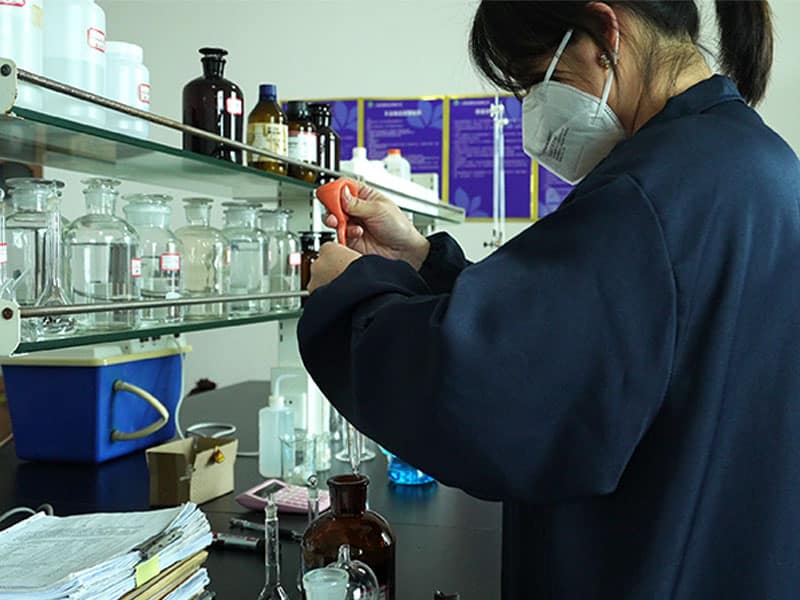
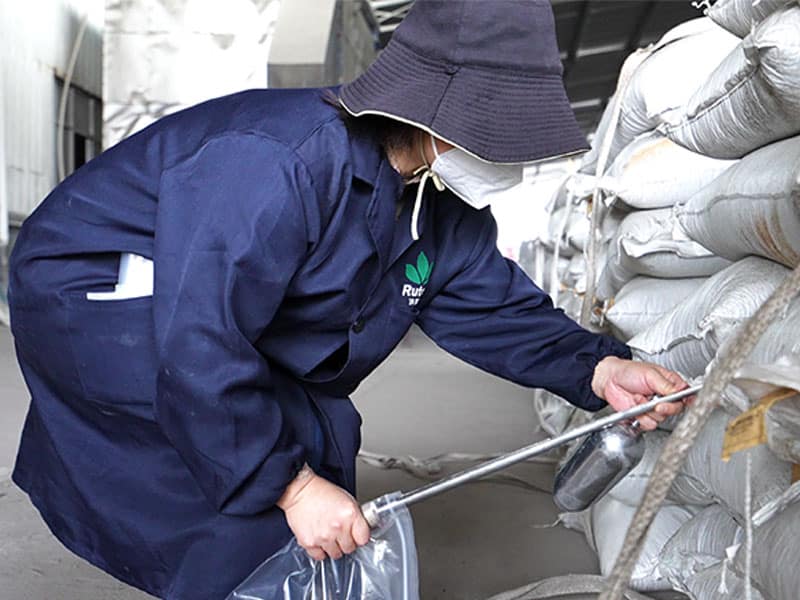
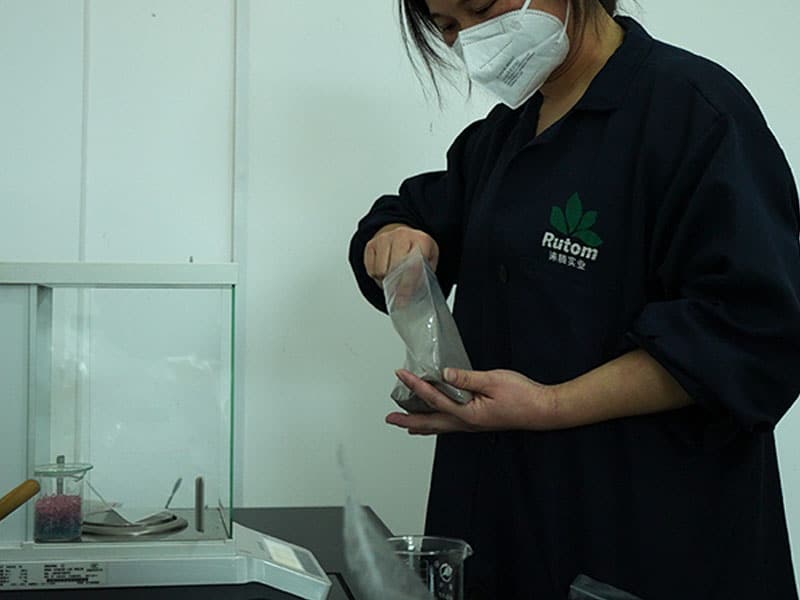
Why Partner With Rutom Factory?
Certified Production
ECOCERT
- ECOCERT certified for organic farming systems
- EU-compliant product documentation for seamless customs clearance
- The variety of our products with certificates meets your needs
B2B Export Expertise
- 20ft container loading: 20-ton granular or 20KL liquid formulations
- Customized NPK ratio can be available as your demands
- EXW/FOB terms with phytosanitary certificates pre-prepared
Quality Assurance
- ≤0.5% moisture content for extended shelf life
- 8% calcium content for enhanced plant cell strength
- ISO-certified production facility with 98% on-time delivery



 English
  Spanish
  Japanese
  Korean
  German
  Portuguese
  Italian
  Indonesian
  Vietnamese
  Turkish
  Persian
  Russian
  Chinese