
Organische Dünger
Organischer Dünger in Großmengen von einem zertifizierten chinesischen Hersteller. Acht Zusammensetzungen, Mindestbestellmenge 20 Tonnen, Zahlungsbedingungen per Überweisung (T/T), kostenlose Muster. Sehen Sie nach, welches Zertifikat für welche Zusammensetzung gilt.
Beginnen Sie mit dem, was die Lieferung stoppen kann.
Wir stellen tierischen organischen Dünger in Fengcheng, Jiangxi, her und liefern ihn an Importeure, Distributoren und Mischer.
Wenn Sie chinesische Lieferanten vergleichen, beginnen Sie hier. Dünger aus China zu kaufen ist ein Papierproblem, bevor es ein Produktproblem ist. Das meiste, was schiefgeht, passiert im Zielhafen, nicht am Fließband. Das Material besteht. Die Akte nicht.
Das ist eine seltsame Sache, mit der ein Lieferant beginnt. Wir beginnen damit, weil die Alternative eine Seite voller Adjektive ist, und die haben Sie heute Morgen bereits auf vier anderen Websites gelesen.
 100 % ÖKO
 100 % natürlich
 ISO 9001
 ISO 14001
 Kein GVO
 Premium Qualität
Die ehrliche Antwort zum Einkauf aus China
Der Kauf aus China ist eine Frage, bevor er eine Transaktion ist, und das Gegenteil zu behaupten verschwendet Ihre Zeit. Drei Dinge stecken meist dahinter.
Zölle und Handelspolitik.
Die Sätze bewegen sich, und sie bewegen sich nach politischen Zeitplänen statt nach kommerziellen. Das können wir für Sie nicht absichern. Was wir tun können, ist FOB anzubieten, sodass die Berechnung der Landed Costs bei Ihnen bleibt und sichtbar ist, anstatt eine Zollannahme in einem gelieferten Preis zu verstecken, der sechs Monate später keinen Sinn mehr ergibt.
Versorgungskontinuität.
Dünger wurde als Druckmittel in Handelsstreitigkeiten eingesetzt, und Käufer in dieser Kategorie haben das miterlebt. Die Absicherung ist kein Versprechen von uns. Es ist ein zweiter qualifizierter Lieferant, idealerweise außerhalb Chinas, plus ausreichend Lagerbestand, um ein gestörtes Quartal abzufedern. Jeder Lieferant, der Ihnen sagt, dass seine Einzelquellenbeziehung risikofrei ist, verkauft Ihnen etwas.
Ob das Produkt dem entspricht, was die Papiere sagen.
Das ist die Frage, die wir tatsächlich beantworten können, und der Rest dieser Seite ist diese Antwort: Prüfung pro Charge, benannte Zertifizierer mit öffentlicher Überprüfung und ein Dokumentenpaket, das Sie Zeile für Zeile prüfen können.
Zwei dieser drei Dinge sind nicht unsere Aufgabe zu lösen. Das zu sagen ist keine Bescheidenheit. Es ist der Unterschied zwischen einem Lieferanten, mit dem Sie planen können, und einem, von dem Sie später erfahren. Diese Seite gibt Ihnen die Spezifikationen, die Zertifizierungsübersicht, das Dokumentenpaket und unsere Handelsbedingungen. Nichts davon erfordert, dass Sie zuerst eine Anfrage senden.
Was organischer Dünger hier bedeutet
Organischer Dünger
Verarbeitete Nährstoffe aus ehemals lebendem Material, verkauft gegen deklarierte Analyse.
Organischer Mist
Ein regionaler Handelsbegriff, der oft auf dieselbe verarbeitete Inputkategorie verweist.
Roher Mist
Sprache aus der Landwirtschaft. Anderes Risikoprofil, andere Dokumentation und andere Käufererwartung.
Kommerzieller Input
Chargenkonsistenz, Zertifiziererabdeckung und verkaufbare Dokumentation.
Organischer Mist und organische Dünger sind dieselbe Kategorie unter unterschiedlichen regionalen Gewohnheiten. Käufer in Südasien, dem Nahen Osten und weiten Teilen Afrikas sagen Mistdünger oder tierischer Dünger. Käufer in Nordamerika und Europa sagen organischer Dünger. Beides bedeutet Nährstoffe aus einst lebendem Material statt synthetischer Salze.
Das Wort, das Probleme bereitet, ist Dung. Im Handelsgebrauch umfasst es jeden tierischen Input, einschließlich der verarbeiteten Proteinmehle, um die es auf dieser Seite geht. Im Alltagsgebrauch bedeutet es rohe tierische Abfälle, was ein Erzeuger meint, wenn er sagt Dung für Pflanzen und was ein Importeur fast nie meint. Das sind nicht dieselben Produkte. Sie tragen nicht dieselben Risiken, nicht dieselben Dokumente und nicht denselben Preis.
Spezifikationen gleiten zwischen den beiden, ohne dass es auffällt. Eine Ausschreibung, die Dung und Düngemittel in einer Zeile und bio-organischer Dung in der nächsten sagt, beschreibt normalerweise verarbeitete Inputs, aber nicht immer, und der Unterschied liegt in einer Zollklassifizierung und einer Registrierungskategorie auseinander. Wenn eine Spezifikation organischer Dungdünger oder natürlicher Dungsagt, fragen Sie, welches von beiden gemeint ist, bevor Sie ein Angebot darauf abgeben. Wir haben Angebote verloren gesehen, und schlimmer noch, Angebote gewonnen, aufgrund dieser Mehrdeutigkeit.
Was einen kommerziellen Input von Gartenkompost unterscheidet, ist Konsistenz. Ein Container muss eine deklarierte N-P-K innerhalb der Toleranz treffen, Charge für Charge, sonst kann der nachgelagerte Mischer nicht darauf formulieren. Diese Konsistenz ist es, wofür Sie bezahlen. Das Rohmaterial ist Ware. Es auf eine Zahl festzulegen, ist es nicht.
Wir behandeln die Agronomie von organischen versus mineralischen Inputs separat in was organischer Dünger ist und wie er wirkt. Der Rest dieser Seite setzt voraus, dass Sie das wissen, und geht zum Einkauf über.
Senden Sie den Wortlaut und den Zielmarkt, bevor Sie das falsche Produkt bepreisen.
Acht Formulierungen und die garantierte Analyse
Unsere Linie ist tierbasiert: Federmehl, Fischprotein, Soja- und Teesamenmehl, hydrolysiert und granuliert. Acht Formulierungen laufen regelmäßig.
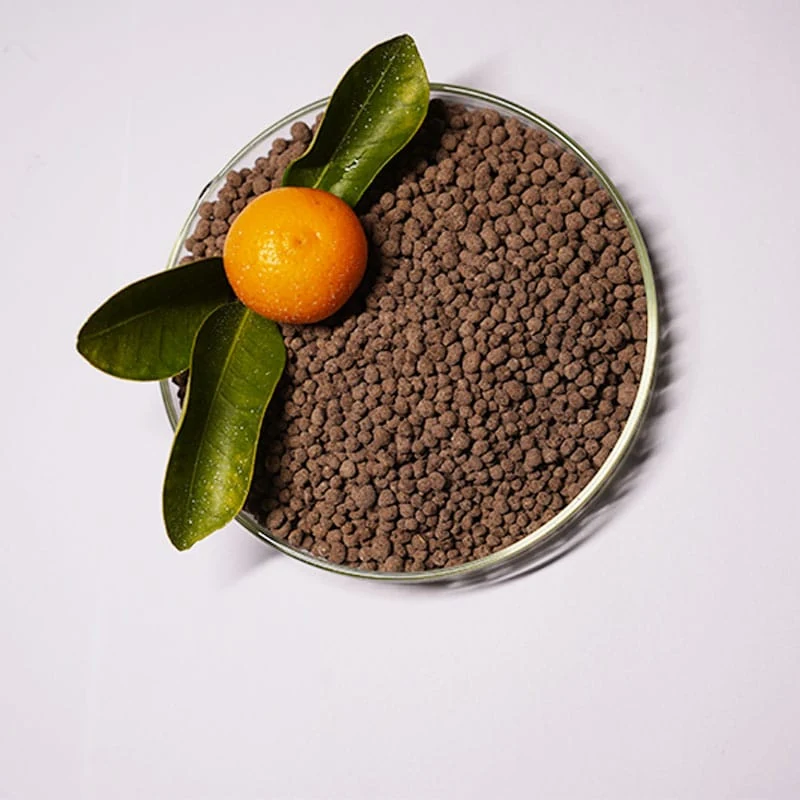
Rutom 9-1-1
Granulat / Pulver · Höchster Stickstoffgehalt der Linie
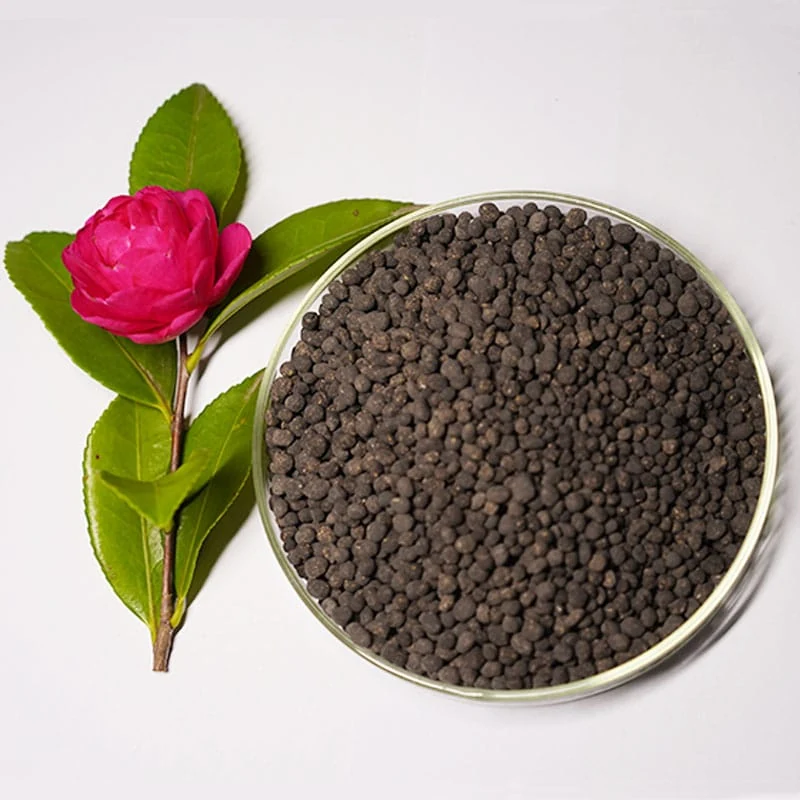
Rutom 6-5-4
Granulat · Allzweckmischung
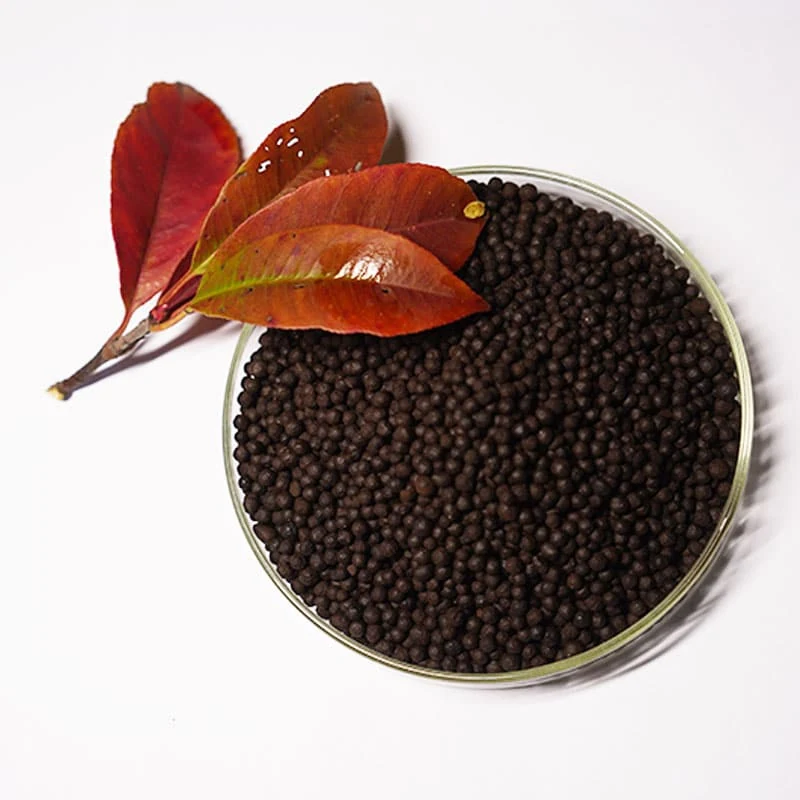
Rutom 7-4-5
Granulat / Pulver · Ausgewogen mit Kaliumanhebung
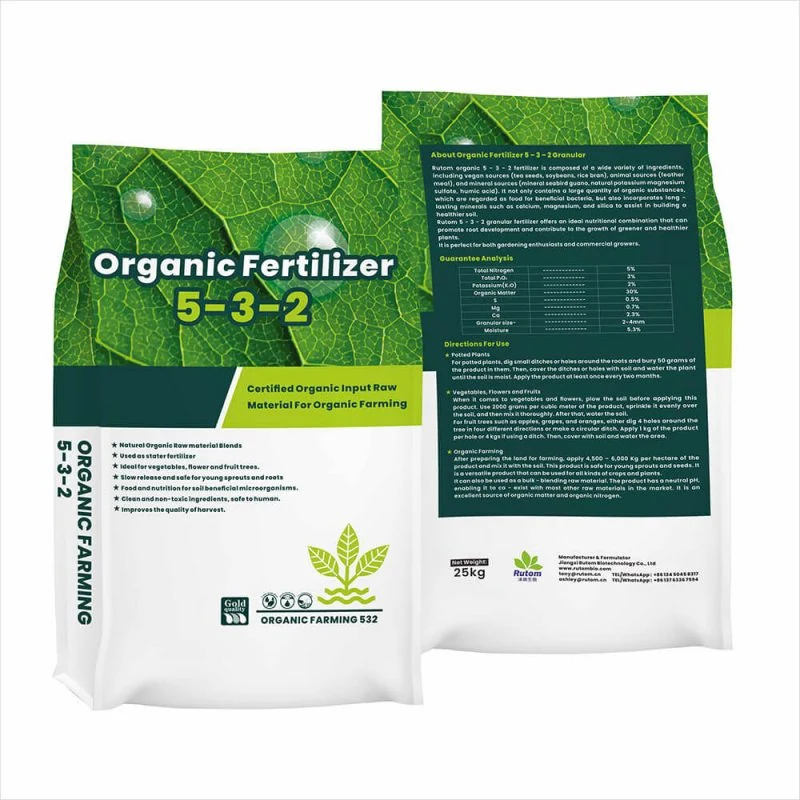
Rutom 5-3-2
Granulat / Pulver · Bodenaufbauprogramme
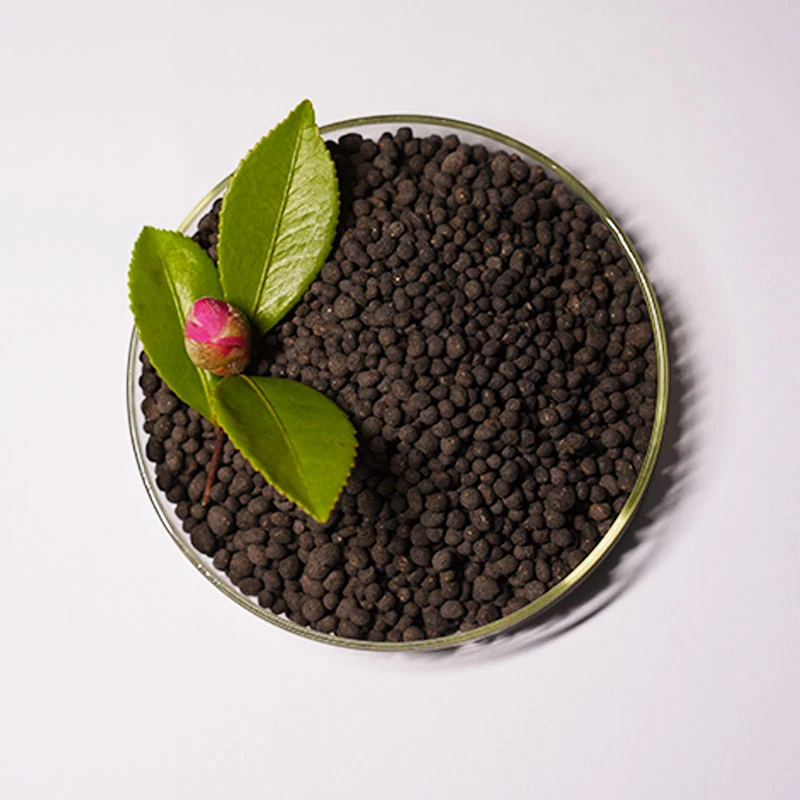
Rutom 6-2-1
Granulat · Stickstoffgeführt, niedriger Phosphatgehalt
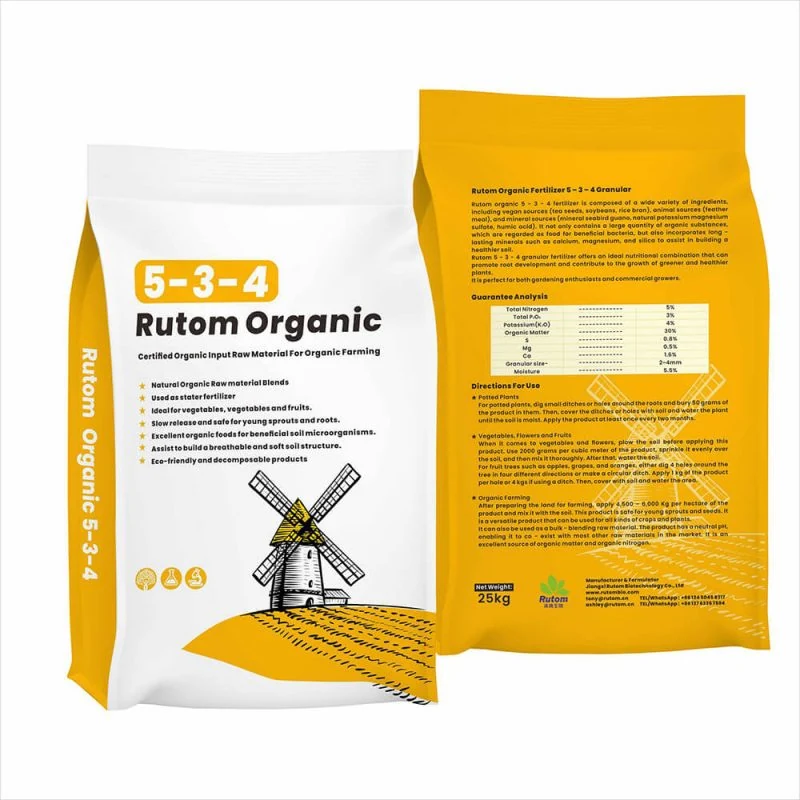
Rutom 5-3-4
Granulat · Kaliumgewichtete Alternative
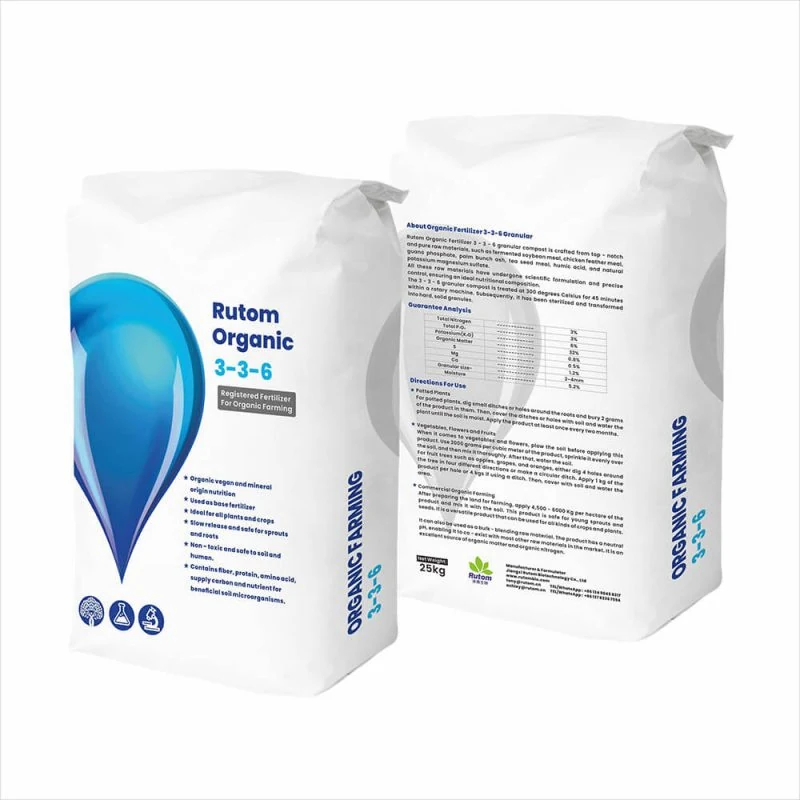
Rutom 3-3-6
Granulat · Spätsaison- und Knollenfrüchte
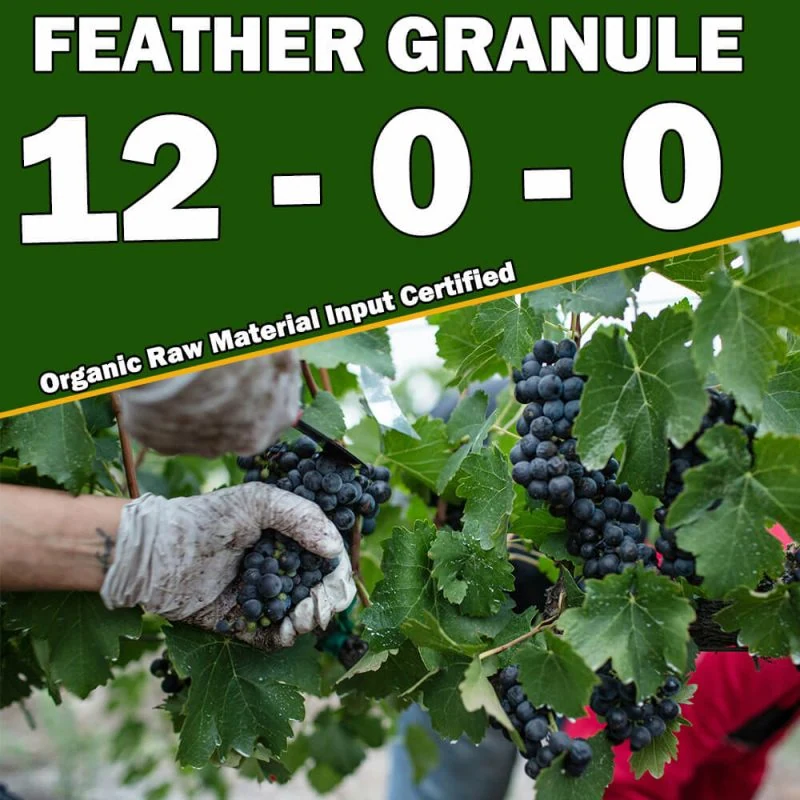
Federmehl-Granulat
Granulat · Reiner Stickstoff
Fragen Sie nach Produktspezifikationen, dem passenden Zertifikat und einem Muster-COA.
| Formulierung | NPK | Form | Basismaterial | Wofür es ist |
|---|---|---|---|---|
| Rutom 9-1-1 | 9-1-1 | Granulat / Pulver | Feder- und tierisches Protein | Höchster Stickstoffgehalt der Linie. Vegetativer Schub, wenn P und K von anderswo kommen |
| Rutom 6-5-4 | 6-5-4 | Granulat | Gemischtes tierisches Protein | Die Allzweckmischung. Wo Käufer beginnen, wenn der Pflanzenplan nicht festgelegt ist |
| Rutom 7-4-5 | 7-4-5 | Granulat / Pulver | Gemischtes tierisches Protein | Ausgewogen mit einer Kaliumanhebung. Fruchtbildende Kulturen |
| Rutom 5-3-2 | 5-3-2 | Granulat / Pulver | Gemischtes tierisches Protein | Niedrigere Analyse, höherer organischer Anteil pro Tonne. Bodenaufbauprogramme |
| Rutom 6-2-1 | 6-2-1 | Granulat | Tierisches Protein | Stickstoffbetont, phosphatarm. Wo P bereits ausreichend vorhanden ist |
| Rutom 5-3-4 | 5-3-4 | Granulat | Gemischtes tierisches Protein | Kaliumbetonte Alternative zu 5-3-2 |
| Rutom 3-3-6 | 3-3-6 | Granulat | Gemischtes tierisches Protein | Kaliumbetont. Späte Saison und Knollenfrüchte |
| Federmehl-Granulat | 12-0-0 | Granulat | Hydrolysiertes Federmehl | Reiner Stickstoff. Auch erhältlich als Diamante 12-0-0 |
Warum die Zahl auf dem Sack schwankt
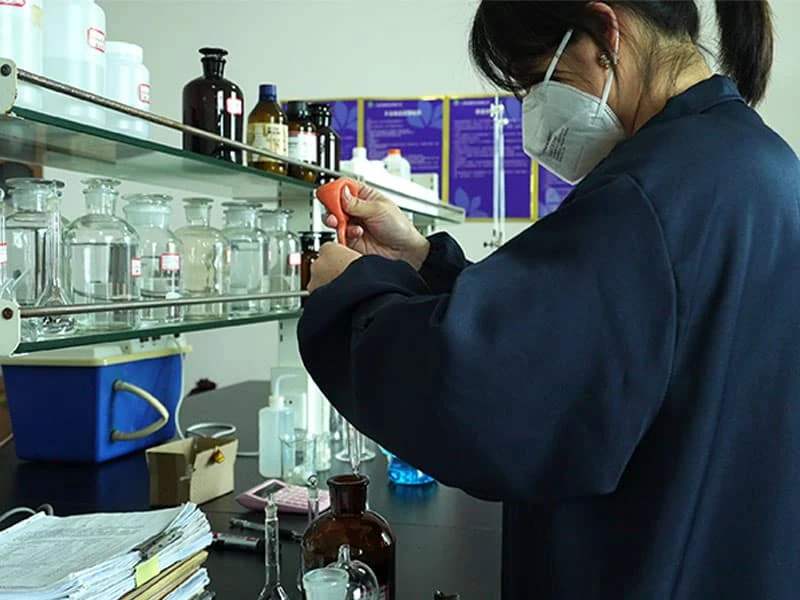
Mineraldünger wird nach einer Formel hergestellt. Organischer Dünger wird aus dem hergestellt, was der Proteinstrom in dieser Woche geliefert hat. Federmehl aus einer Verarbeitungscharge ist nicht identisch mit der nächsten, und der Unterschied zeigt sich in der fertigen Analyse.
Die Schwankung liegt beim Stickstoff meist unter einem Prozentpunkt. Gering. Aber immer noch genug, um eine Rolle zu spielen, wenn Sie auf ein Ziel mischen, und sie ist die häufigste Streitquelle zwischen Importeuren und chinesischen Lieferanten. Beide Seiten glauben, der andere habe die Torpfosten verschoben.
Die nützliche Frage ist also nicht, ob ein Lieferant ein Analysezertifikat hat. Das hat jeder. Fragen Sie stattdessen drei andere Dinge. Welche Toleranz geben sie an? Was passiert, wenn eine Charge außerhalb dieser Toleranz liegt? Gehört das COA, das Sie erhalten, zu der Charge in Ihrem Container oder zu einer Charge aus dem letzten Quartal?
Ein Lieferant, der über Chargenkontrolle nachgedacht hat, antwortet sofort. Einer, der das nicht hat, schickt Ihnen ein Zertifikat und hofft.
Unsere Position: Jede Produktionscharge wird getestet und mit einem eigenen COA versendet. Wenn eine Charge die deklarierte Analyse verfehlt, wird sie nicht unter dieser Produktkennung versendet. Das ist ein kleineres Versprechen, als es klingt, und es ist das, das es wert ist, geprüft zu werden, statt des Marketings darum herum.
„Tierbasiert" umfasst mindestens drei Rohstoffströme mit unterschiedlichen Freisetzungskurven — hydrolysiertes Federkeratin, Fischprotein und pflanzliche Proteinmehle — und welcher davon eine Formulierung dominiert, verändert ihr Verhalten im Feld, selbst wenn das N-P-K gleich bleibt. Fragen Sie jeden Lieferanten, welcher dominiert. Eine vage Antwort bedeutet meist, dass die Mischung dem jeweils billigsten Rohstoff in diesem Monat folgt. Die Agronomie wird behandelt in was organischer Dünger ist und wie er wirkt.
Auswahl zwischen ihnen
Wählen Sie eine stickstoffbetonte Formulierung
— 9-1-1, 6-2-1, Federmehl 12-0-0 — wenn Sie mischen und Phosphat und Kalium separat beschaffen, oder wenn der Bodentest bereits ausreichend P zeigt. Diese liefern den meisten Stickstoff pro Tonne Fracht. Das ist wichtiger, als es klingt, wenn die Fracht 12.000 Kilometer zurücklegt.
Wählen Sie eine ausgewogene Formulierung
— 6-5-4, 7-4-5, 5-3-4 — wenn das Produkt Endverbraucher erreicht, die es als Alleinfutter anwenden. Das Verhältnis muss für sich allein stehen, weil niemand nachgelagert korrigiert.
Wählen Sie eine Formulierung mit niedriger Analyse
— 5-3-2, 3-3-6 — wenn es im Programm um organische Bodensubstanz statt um Nährstoffversorgung geht. Sie kaufen Kohlenstoff und Struktur. Das N-P-K ist zweitrangig, und für eine höhere Analyse zu zahlen, hieße, für das Falsche zu zahlen.
Wenn Sie Rohstoffe statt fertiger Mischungen beziehen, liefern wir auch Aminosäuredünger, Algenextrakt, Seevogelguano, Huminsäure und organischen und anorganischen Mehrnährstoffdünger als separate Linien.
Granulat, Pulver und was besser verschifft
Granulate
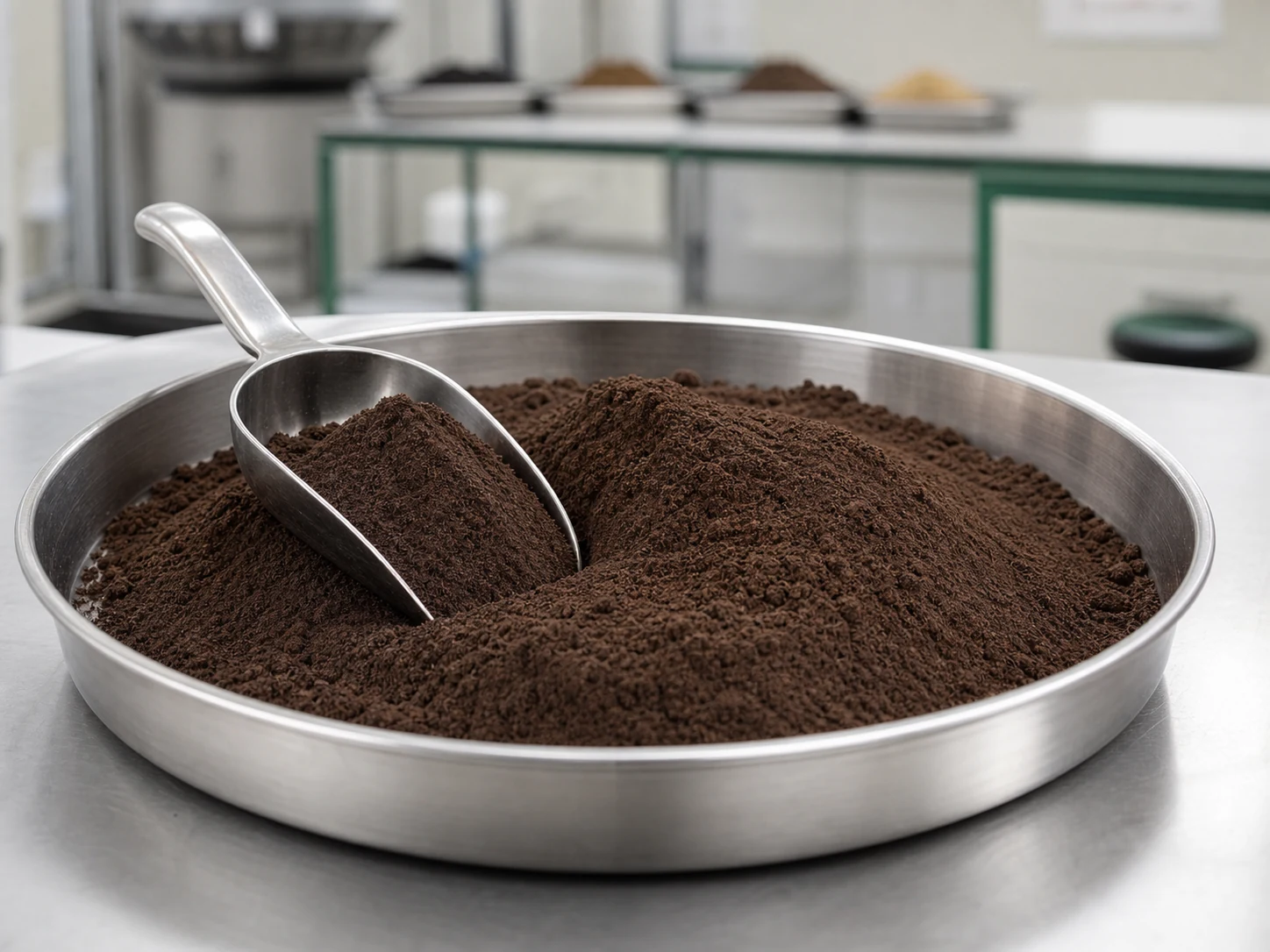
fließen durch Streuer, widerstehen Verklumpen bei feuchter Lagerung und überstehen eine lange Seestrecke. Sie kosten etwas mehr in der Herstellung, weil die Granulierung ein zusätzlicher Schritt mit eigenem Energieaufwand und Ausbeuteverlust ist.
Pulver
löst sich schneller auf, eignet sich für die Fertigation und lässt sich ohne Mahlen in das Substrat einarbeiten. Es ist auch die Form, die verdichtet ankommt, wenn ein Container drei Wochen in einem tropischen Hafen gestanden hat. Das Material ist unbeeinträchtigt. Die Arbeit, es aufzubrechen, ist es nicht, und sie bleibt am Importeur hängen.
Mistpellets
und granulierter Mist sind dasselbe Produkt unter verschiedenen Handelsnamen. Wenn eine Spezifikation Pellets verlangt und Sie Granulat anbieten, sagen Sie das ausdrücklich, anstatt anzunehmen, dass der Käufer weiß, dass sie austauschbar sind. Diese Annahme hat Menschen Aufträge gekostet.
Fünf der acht kommen als Granulat oder Pulver. Die Wahl betrifft die Handhabung, nicht die Agronomie. Die Nährstoffe sind identisch. Eine Faustregel aus jahrelangem Versand dieses Materials: Wenn Ihr Lager nicht klimatisiert ist und die Transitzeit über dreißig Tage beträgt, nehmen Sie das Granulat. Der Aufpreis ist geringer als die Handhabungskosten einer verklumpten Palette. Fragen Sie auch nach der Granulatgrößenverteilung, nicht nur nach der Form. Ein Streuer, der für 2-4 mm kalibriert ist, behandelt 1 mm nicht gleich.
Teilen Sie uns Transitzeit, Lagerbedingungen und Anwendungsmethode mit.
Wo es verwendet wird
Reihenkultur und großflächige Landwirtschaft
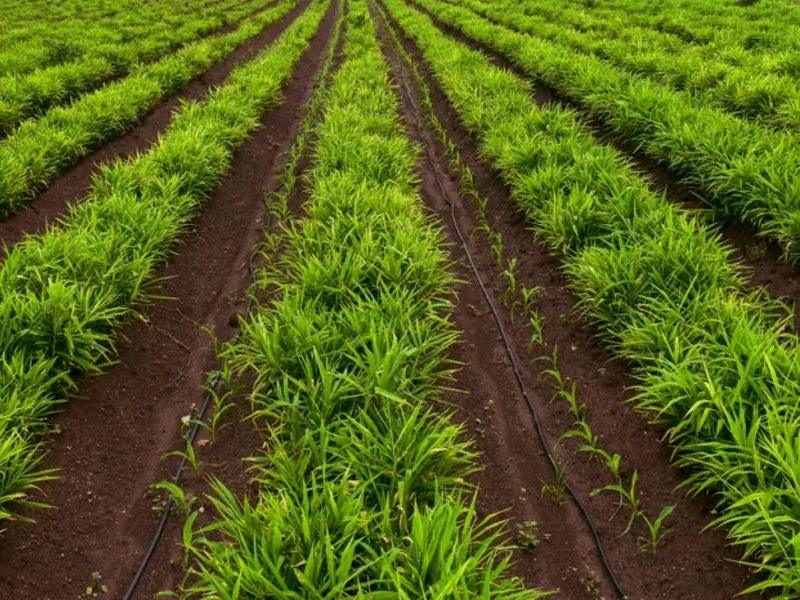
Getreide, Mais, Sojabohnen. Meist die niedrig analysierten Formulierungen, ausgebracht für organische Substanz, mit Stickstoff separat ergänzt. Das Bestellvolumen pro Auftrag ist hoch. Der Käufer ist preissensibel pro Nährstoffeinheit, nicht pro Tonne, und Angebote pro Tonne an diesen Käufer verfehlen den Punkt.
Plantagen- und Baumkulturen
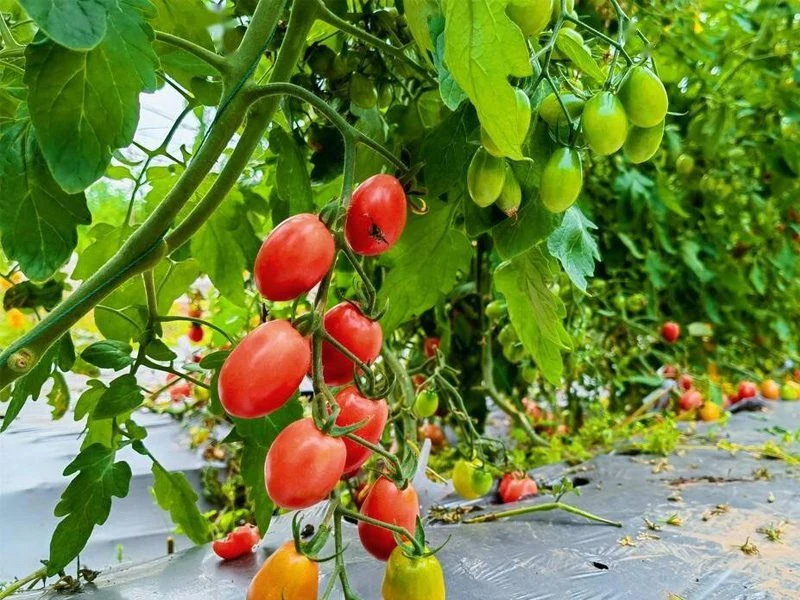
Kaffee, Ölpalme, Kakao, Kautschuk. Granulatform, Ring- oder Bandausbringung. Diese Käufer bestellen nach einem Pflanzkalender, daher ist die Vorlaufzeit wichtiger als der Preis. Wird das Zeitfenster verpasst, ist der Auftrag selbst mit Rabatt wertlos. Wir führen separate agronomische Notizen für organischen Dünger auf Kaffeeplantagen.
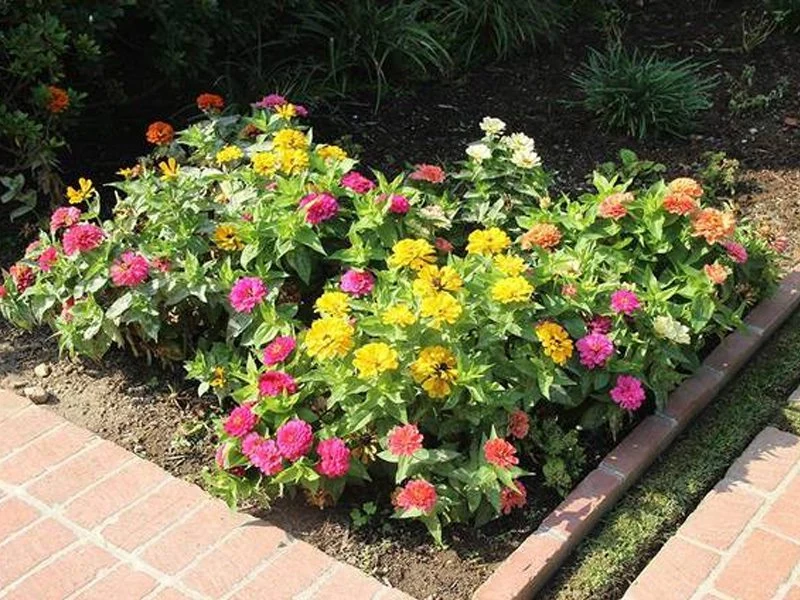
Geschützter Anbau und Baumschulen
Gewächshausgemüse, Vermehrungssubstrate. Pulver lässt sich in das Substrat einarbeiten. Die Bestellmengen sind klein und die Spezifikationen eng, was meist einen gemischten Container statt einer Ladung mit einer einzigen Formulierung bedeutet.
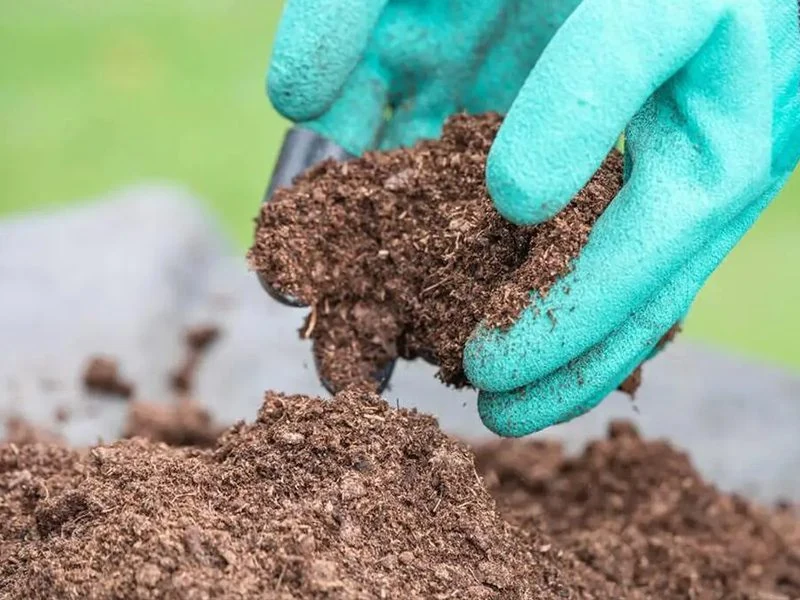
Mischen und Neuformulierung
Ein großer Teil dessen, was wir versenden, erreicht nie einen Bauernhof in unserer Verpackung. Es geht an Mischer, die es als organische Stickstofffraktion in ihrem eigenen Produkt verwenden. Dieser Kunde kümmert sich weit mehr um Chargenkonsistenz und Dokumentation als um den Sack und testet jede Charge bei Ankunft. Sie sind auch die anspruchsvollste Referenz, die ein Lieferant haben kann. Sie finden Probleme in derselben Woche, nicht in der folgenden Saison. Wenn Sie einen gewinnen können, tun Sie es. Ein Mischer, der zwei Jahre bleibt, ist mehr wert als drei Endnutzer, die jeweils einmal bestellen.
Teilen Sie Kultur, Bodentest und beabsichtigte Anwendungsmethode für eine Startempfehlung mit.
Zertifizierung und was ein Zertifikat nicht aussagt
Alle acht Formulierungen sind abgedeckt. Nicht von derselben Stelle.
6-5-4 · 9-1-1 · 7-4-5 · 5-3-2
EU-, USDA-NOP-, JAS- und GB-Abdeckung, abgestimmt auf die Formulierung.
6-2-1 · 5-3-4 · 3-3-6 · 12-0-0
EU- und NOP-Abdeckung für die zweite Formulierungsgruppe.

| Formulierung | Abgedeckt durch | Standards |
|---|---|---|
| Rutom 6-5-4 · 9-1-1 · 7-4-5 · 5-3-2 | ECOCERT | EU (Verordnung 2018/848 und 2021/1165), USDA NOP, JAS, GB |
| Rutom 6-2-1 · 5-3-4 · 3-3-6 · Federmehl 12-0-0 | CERES | EU (Verordnung 2018/848 in der geänderten Fassung), NOP §205.105 |
Lieferanten, die nur im Inland verkaufen, müssen dies nie schriftlich festhalten, da ihre Waren keine Grenze überqueren. Deshalb finden Sie es auf den meisten Konkurrenzseiten nicht.
Zwei Zertifizierungsstellen, nach Formulierung aufgeteilt, ohne Überschneidungen. Fordern Sie die Erklärung an, die das Produkt abdeckt, das Sie kaufen. Ein Lieferant, der ein Zertifikat mit einem anderen Produktcode sendet, ist entweder nachlässig oder verlässt sich darauf, dass Sie den Anhang nicht lesen. Beides ist vor der ersten Bestellung wissenswert.
Nun der Teil, der wichtiger ist als das, welches Logo erscheint.
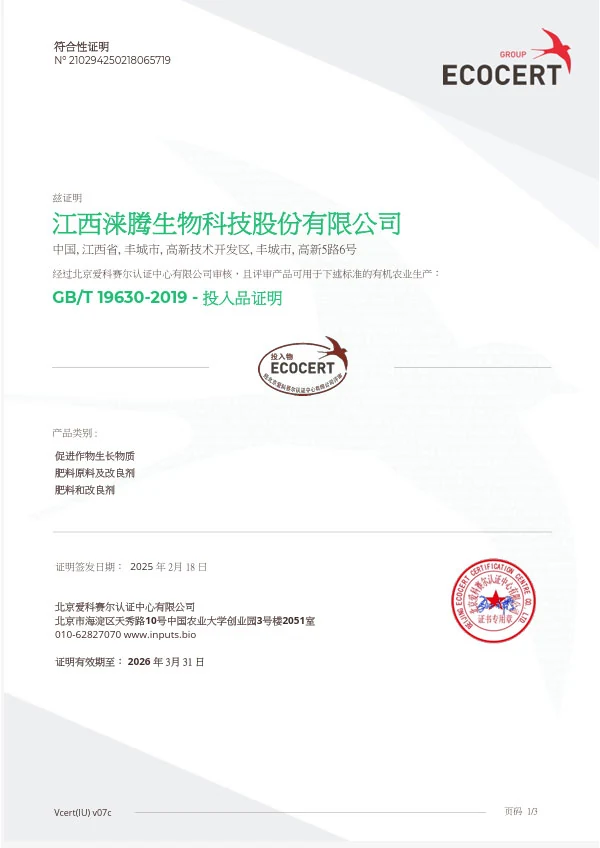
Was ECOCERT und CERES ausstellen, sind keine Produktqualitätsgarantien, und beide sagen dies schriftlich. Die ECOCERT-Konformitätserklärung enthält einen Hinweis dahingehend, dass eine Input-Konformitätserklärung keine Garantie für die Produktqualität darstellt, sondern nur, dass das Produkt für die ökologische Produktion gemäß der genannten Norm geeignet ist. CERES ist deutlicher:
„CERES haftet nicht für die Einhaltung der oben genannten Materialien mit nationalen Rechtsvorschriften, noch übernehmen wir Verantwortung für die ordnungsgemäße Registrierung der Produkte bei den zuständigen Behörden des jeweiligen Landes.“
Lesen Sie das zweimal, wenn Sie vorhatten, sich für die Einfuhrabfertigung auf unsere Zertifikate zu verlassen. Die Zertifizierungsstelle teilt Ihnen in ihrem eigenen Dokument mit, dass die Erklärung die Eignung für den ökologischen Landbau abdeckt und sonst nichts. Nicht Ihre nationale Düngemittelgesetzgebung. Nicht die Produktregistrierung in Ihrem Markt. Diese bleiben bei Ihnen.
Deshalb ist „wir sind ECOCERT-zertifiziert“ eine schwächere Aussage, als sie klingt – von uns oder von jedem anderen. Sie beantwortet eine von vier oder fünf Fragen, die darüber entscheiden, ob Ihr Container freigegeben wird und Ihr Produkt legal verkauft werden kann. Lieferanten führen damit an, weil es die am einfachsten zu beantwortende Frage ist.
Hinter diesen ECOCERT-Erklärungen stehen vier Programme – EU, USDA NOP, JAS und der chinesische GB-Input-Standard – und es handelt sich um getrennte Kriterien, nicht um ein Zertifikat in vier Sprachen. Ein Produkt, das nach einem zugelassen ist, ist nicht automatisch nach einem anderen zugelassen, weshalb unsere acht Formulierungen auf zwei Zertifizierungsstellen aufgeteilt sind. Welche Sie benötigen, hängt davon ab, wo die Waren ankommen und wer Ihren Käufer prüft; der ECOCERT-Verifizierungsleitfaden erläutert das.
Die Verifizierung ist öffentlich und Sie sollten sie nutzen. Beide Stellen veröffentlichen Erklärungen online, überprüfbar unter www.inputs.bio und www.ceres-cert.de, sodass Sie ein PDF von einem Lieferanten nie für bare Münze nehmen müssen. Wir gehen diesen Prozess Schritt für Schritt im ECOCERT-Zertifikatsverifizierungsleitfaden.
Fordern Sie die Konformitätserklärung an, die zu Ihrer Formulierung und Ihrem Bestimmungsstandard passt.
Das Dokumentenpaket und wer was ausstellt
Ein Zertifikat ist eine Eintrittskarte. Was einen Container freigibt und das Produkt legal verkäuflich macht, ist das Dokumentenpaket, das mit ihm reist. Hier ist der vollständige Satz, und ehrlich gesagt, welche Teile von uns stammen.
Zoll
Rechnung, Packliste und HS-Klassifizierung werden zuerst gelesen.
Bio-Kette
Konformitätserklärung und Chargen-COA werden später geprüft.
Verkaufsgenehmigung
Die lokale Registrierung entscheidet, ob das freigegebene Produkt verkauft werden kann.
| Dokument | Was es tut | Ausgestellt von |
|---|---|---|
| Chargen-Analysezertifikat | Erklärt N-P-K, Feuchtigkeit, organische Substanz, Schwermetalle für diese Charge | Uns, pro Sendung |
| Bio-Konformitätserklärung | Zeigt, dass die Formulierung gemäß EU / NOP / JAS / GB zugelassen ist | Uns (ECOCERT oder CERES, gemäß der obigen Tabelle) |
| Handelsrechnung und Packliste | Handels- und Zollgrundlagen | Uns |
| Ursprungszeugnis | Präferenzzollbehandlung, wo ein FTA gilt | Uns, über die ausstellende Behörde |
| Pflanzengesundheits- oder Begasungszertifikat | Von einigen Bestimmungsorten für tierische Ausgangsstoffe erforderlich | Uns, wo Ihr Markt es verlangt |
| HS-Klassifizierung | Bestimmt den Zollsatz und ob Waren zurückgehalten werden | Geteilt. Wir klassifizieren beim Export, Sie bestätigen beim Import |
| Produktregistrierung in Ihrem Markt | Rechtliche Erlaubnis, den Dünger dort zu verkaufen | Sie, oder Ihr lokaler Agent. Nicht wir |
| Importgenehmigung | Wo das Bestimmungsland eine vor dem Versand verlangt | Sie |
Wo jedes geprüft wird
Dokumente scheitern an verschiedenen Toren. Deshalb kann eine vollständig aussehende Datei trotzdem einen Container stoppen.
Die Rechnung, Packliste und HS-Klassifizierung werden bei der Ankunft vom Zoll gelesen. Fehler hier sind normalerweise behebbar, teuer und langsam. Eine falsche Klassifizierung beschlagnahmt die Waren nicht. Sie bewertet den Zollsatz neu und hält sie fest, während jemand argumentiert.
Die Konformitätserklärung und das Chargen-COA werden von Ihrem Käufer, Ihrem Zertifizierer oder einem Inspektor an dem Punkt gelesen, an dem das Produkt in eine Bio-Lieferkette eintritt. Dieses Tor kommt später und ist weniger nachsichtig. Produkte, die den Zoll perfekt passiert haben, können hier trotzdem den Bio-Status verweigert bekommen, was ein Premium-Input über Nacht in einen Rohstoff verwandelt.
Die Registrierung wird geprüft, wenn Sie verkaufen wollen. Das ist das schlimmste Tor, um zu scheitern, weil alles bereits bezahlt wurde.
In Märkten, die eine lokale Düngemittelregistrierung verlangen, bringen Sie unsere Zertifikate nicht über diese Linie, und wir können die Registrierung nicht für Sie halten. Der Inhaber muss normalerweise der Importeur oder ein lokal ansässiger Agent sein. Diese Arbeit ist Ihre. Jeder Lieferant, der etwas anderes andeutet, bereitet Ihnen eine Sendung vor, die legal zu importieren und illegal zu verkaufen ist.
Was wir tun können, ist die Datei zu liefern, die die Registrierung erfordert: Zusammensetzung, Prozessbeschreibung, Chargenanalysehistorie, Zertifiziereraussagen. Was wir nicht tun können, ist sie einzureichen. Wir sagen das lieber jetzt, als nachdem Ihr Zollagent fragt.
Ein Sequenzierungspunkt, weil er es ist, der eine Vorlaufzeit von zwei Monaten in vier verwandelt. Registrierung und Importgenehmigungen müssen vor der Produktion begonnen werden, nicht danach, und die Konformitätserklärung muss aktuell sein zum Versanddatum statt zum Zeitpunkt Ihrer Anfrage. Unsere laufen in Jahreszyklen, sodass eine im Januar versandte Aufstellung außerhalb ihrer Gültigkeit liegen kann, wenn ein Q4-Container beladen wird. Fragen Sie nach der Fassung, die zum Zeitpunkt des Warenversands gültig ist.
Zwei davon verdienen eine eigene Behandlung. Für die zeilenweise Erklärung zum Lesen eines Düngemittel-COA siehe So lesen Sie ein COA für organischen Dünger. Für Klassifizierung und Zoll siehe HS-Codes und Zolldokumente für organischen Dünger.
Fordern Sie ein Muster-Dokumentenpaket an und identifizieren Sie, welche Positionen beim Importeur verbleiben.
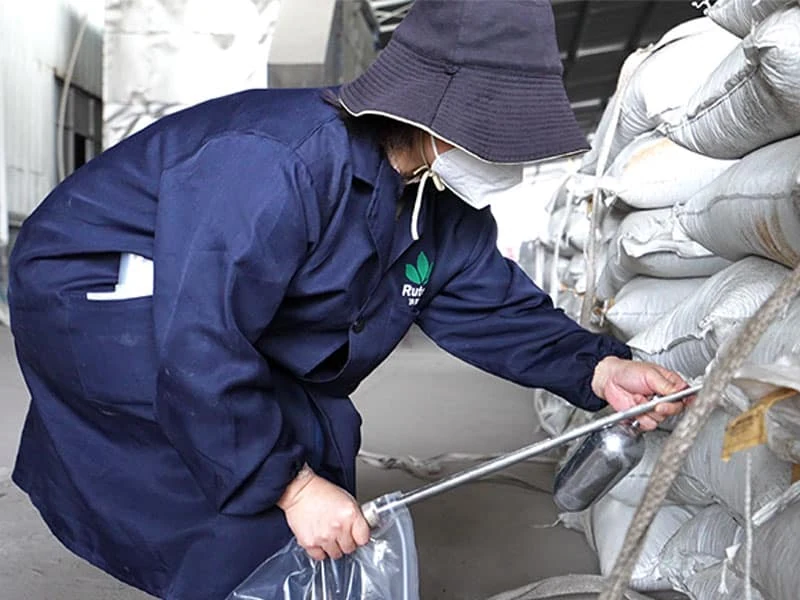
Wie wir eine Charge vor dem Versand beurteilen
Lot COA
N-P-K, Feuchtigkeit und organische Substanz werden vor der Abfüllung geprüft.
Moisture watch
Das Verklumpungsrisiko wird als Versandqualitätsproblem behandelt, nicht nur als Laborwert.
Granule handling
Staub- und Bröseligkeitsprüfungen schützen die Streuerleistung bei Ankunft.
Wir veröffentlichen keine Kundennamen oder Erfahrungsberichte. Hier ist das Nützlichere: Was unser Prozess prüft und wo er schwächer ist, als Sie vielleicht annehmen.
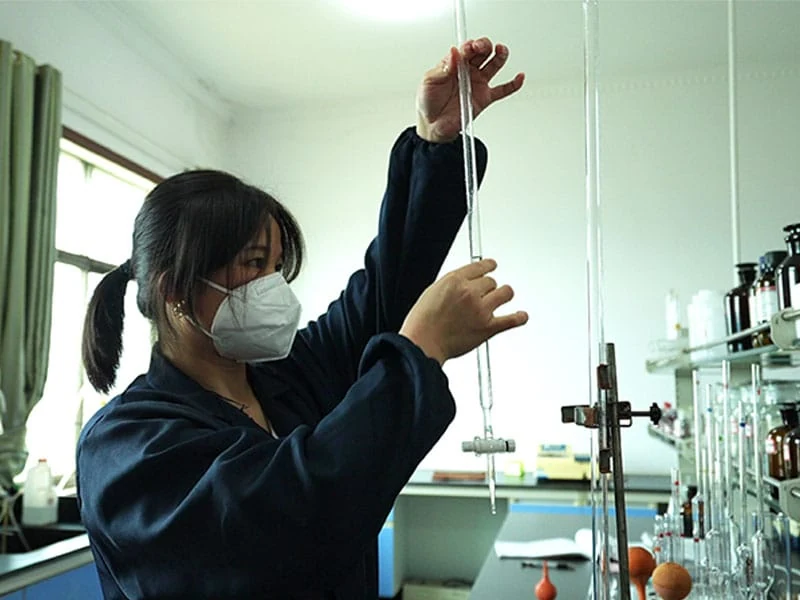
Jede Produktionscharge wird vor der Abfüllung beprobt und gegen die deklarierte Analyse getestet. Organischer Stickstoff schwankt zwischen Chargen um etwa einen Prozentpunkt, abhängig vom rohen Proteineinsatz. Das ist für dieses Material normal. Genau deshalb gibt es ein COA statt eines festen Datenblatts.
Worauf wir stärker achten als auf die Schlagzeilen-Stickstoffzahl, ist die Feuchtigkeit. Feuchtigkeit ist das, was aus einem konformen Granulat um Woche vier einer Seereise ein verklumptes macht. Eine Charge kann ihr N-P-K perfekt erreichen und trotzdem als Problem ankommen, und der Käufer wird das zu Recht als Qualitätsmangel bezeichnen, selbst wenn jede Zahl im Zertifikat korrekt war.
Nun die Einschränkung. Schwermetalle werden im Rohstoffstrom getestet, nicht in jeder fertigen Charge. Das ist in dieser Branche Standardpraxis. Es ist auch eine Lücke, die Sie kennen sollten, statt sie zu entdecken. Wenn Ihr Zielmarkt oder Ihr eigenes Qualitätssystem Schwermetall-Ergebnisse pro Charge erfordert, sagen Sie es bei der Anfrage. Das ändert den Prüfplan und die Kosten. Es vor der Produktion einzubauen ist weitaus günstiger, als es nachzurüsten, wenn ein Container gebucht ist.
Das andere, was wir prüfen – und es ist weniger offensichtlich – ist, ob das Granulat Handhabung übersteht. Eine Probe, die im Sack richtig aussieht, kann beim Laden dennoch zu Feinanteilen zerfallen, und Feinanteile sind das, was einen Streuer blockiert und was ein empfangendes Lager sofort ablehnt. Wir testen fertige Chargen auf Staub und Bröseligkeit, bevor sie freigegeben werden. Ein Lieferant, der nur die Nährstoffanalyse meldet, meldet die Zahl, die sein Kunde verlangt hat, statt der Zahl, die entscheidet, ob das Produkt bei Ankunft funktioniert.
Ordering, MOQ and Terms
Die meisten Lieferanten verlangen, dass Sie eine Anfrage senden, um irgendetwas davon zu erfahren. Wir halten das für rückwärtsgewandt, denn es zwingt Sie dazu, eine Woche lang E-Mails zu schreiben, um herauszufinden, ob ein Lieferant überhaupt in Ihrem Bereich liegt. Deshalb zeigen wir hier, was wir tatsächlich anbieten, bevor Sie mit jemandem sprechen.
Dies gilt, ob Sie kaufen organischen Massendünger zum Verkauf als Fertigware, als einer von mehreren Lieferanten für organischen Massendünger bei einer Ausschreibung, oder ob Sie organischen Großhandelsdünger Lieferung zur Weiterverteilung. Gleiche Bedingungen, gleiche Mindestmenge, gleiche Lieferzeit. Wir führen kein separates Preisbuch für Käufer, die bessere Fragen stellen.
| Laufzeit | Unsere Position |
|---|---|
| Mindestbestellmenge | 20 Tonnen. Gemischte Rezepturen innerhalb einer Bestellung akzeptiert |
| Lieferzeit | Mengenbestellungen werden in der Regel versandt innerhalb von zwei Monaten. Kleine oder Folgeaufträge sind schneller |
| Zahlung | T/T. Bedingungen für Folgegeschäfte sind verhandelbar |
| Muster | Kostenlos, Versand innerhalb einer Woche. Sie zahlen nur den Kurier |
| Verpackung | 25-kg-Säcke oder 1.000-kg-Jumbo-Säcke, palettiert oder lose verladen |
| Eigenmarke | Verfügbar. Ihr Design, Ihre Sack spezifikation |
| Kundenspezifische Mischungen | Verfügbar über der Standard-Mindestbestellmenge. Senden Sie die Zielanalyse |
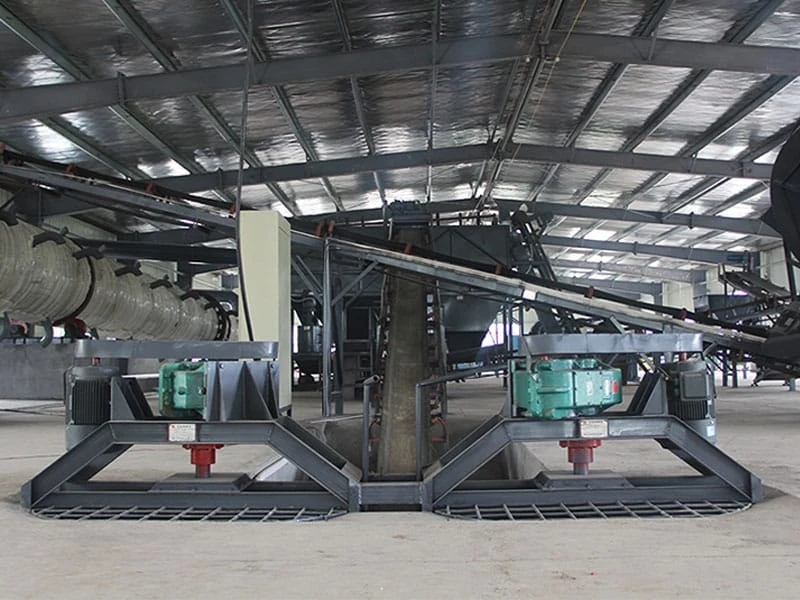
Warum die Mindestmenge 20 Tonnen beträgt
Es ist eine Produktionsbeschränkung, keine Verhandlungsposition.
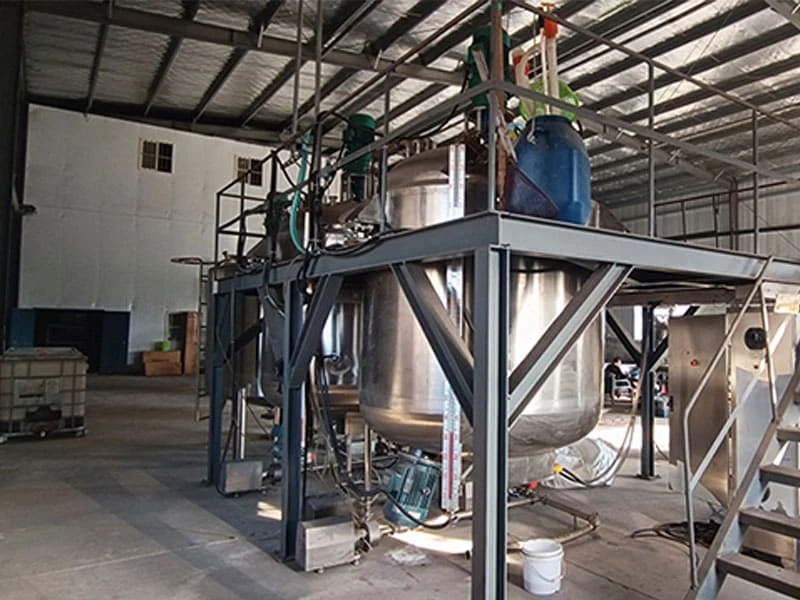
Die Umstellung der Rezeptur auf einer Granulierungslinie bedeutet Anhalten, Reinigen und Neustarten. Die Reinigung dient dazu, dass die nächste Rezeptur nicht durch die vorherige kontaminiert wird, was in der Bio-Produktion wichtiger ist, als die meisten Käufer erkennen. Diese Rüstkosten sind gleich, ob die Charge 5 oder 50 Tonnen beträgt. Unter etwa 20 Tonnen ist es für keine Seite mehr wirtschaftlich.
Ein Lieferant, der 5 Tonnen zustimmt, mischt in der Regel entweder aus vorhandenem Bestand oder nimmt einen Verlust in Kauf, um einen Erstauftrag zu gewinnen. Beides ist kein Problem. Beides ist wissenswert, denn der zweite Fall wird bei Ihrer zweiten Bestellung neu kalkuliert.
Wenn Ihr erster Einkauf kleiner als 20 Tonnen ist, löst ein gemischter Container mit zwei oder drei Rezepturen das Problem normalerweise. Das ist die übliche Form einer Erstbestellung hier.
Zahlung und Muster
Wir verlangen T/T. Wir erwarten auch nicht, dass sich ein Erstkäufer wohlfühlt, im Voraus vollständig an eine chinesische Fabrik zu zahlen, die er nie besucht hat, und es hat keinen Sinn, so zu tun.
Teilen Sie uns bei der Anfrage mit, welche Struktur funktioniert. Eine Anzahlung gegen Restzahlung bei Dokumenten ist üblich, und wir haben keine Einwände. Was wir nicht tun werden, ist einen niedrigeren Preis gegen schlechtere Bedingungen zu nennen und Sie den Zusammenhang später entdecken zu lassen.
Muster sind kostenlos und gehen innerhalb einer Woche raus. Sie zahlen den Kurier. Wir senden die von Ihnen benannte Rezeptur mit dem COA für diese spezifische Charge, damit Sie sie vor jeder Zahlung gegen Ihre eigene Spezifikation testen können. Nutzen Sie dies bei jedem Lieferanten, den Sie bewerten, nicht nur bei uns. Es ist die günstigste verfügbare Risikominimierung, und es ist bemerkenswert, wie viele Käufer sie überspringen.
Eigenmarke und kundenspezifische Mischungen
Eigenmarkenläufe erfolgen zur Standard-Mindestbestellmenge mit Ihrem Design und Ihrer Sack spezifikation. Kundenspezifische Mischungen benötigen ein Volumen über der Mindestbestellmenge plus eine Zielanalyse, gegen die gearbeitet wird.
Teilen Sie uns mit, was die Mischung erreichen muss, einschließlich aller Toleranzen, die eingehalten werden müssen, und wir sagen Ihnen, ob der Rohstoffstrom dies unterstützt. Manchmal tut er das nicht. Es gibt eine Obergrenze, wie viel Stickstoff ein tierisches Granulat konsistent tragen kann, und ein Angebot darüber hinaus würde nur zu einem fehlgeschlagenen Produktionslauf auf Ihre Kosten führen. Das schon bei der Anfrage zu sagen, ist für uns beide günstiger.
Wenn Sie uns richtig testen möchten, haben wir die Checkliste selbst geschrieben: wie man einen Bio-Düngemittellieferanten in China prüftArbeiten Sie es durch und stellen Sie uns die schwierigen Fragen. Wir beantworten sie lieber jetzt, als wenn ein Container bereits auf dem Wasser ist.
Senden Sie das Ziel, die Formulierung, das Volumen und das gewünschte Ankunftsfenster.
Häufig Gestellte Fragen
Wie hoch ist die Mindestbestellmenge für Bio-Dünger in Großmengen?
20 Tonnen. Innerhalb dieses Rahmens können Sie Rezepturen mischen – so werden die meisten Erstbestellungen zusammengestellt. Die Untergrenze ergibt sich aus den Kosten für die Einrichtung der Granulieranlage und die Reinigung, nicht daraus, dass wir auf größere Aufträge warten.
Wie viel kostet organischer Dünger pro Tonne?
Das hängt von der Zusammensetzung, der Form und der Menge ab. Jeder Anbieter, der einen festen Preis pro Tonne nennt, ohne diese drei Faktoren zu kennen, rät nur. Der Stickstoffgehalt ist dabei der entscheidende Faktor. Ein 12-0-0-Federmehlgranulat und ein 3-3-6-Produkt sind nicht pro Tonne vergleichbar, sondern nur pro Einheit des zugeführten Nährstoffs. Senden Sie uns Ihre Zielanalyse und die Menge, dann erhalten Sie einen konkreten Preis.
Sind alle Ihre Rezepturen bio-zertifiziert?
Ja, von zwei verschiedenen Stellen. Rutom 6-5-4, 9-1-1, 7-4-5 und 5-3-2 sind bei ECOCERT für die EU, USDA NOP, JAS und GB zertifiziert. Rutom 6-2-1, 5-3-4, 3-3-6 und Federmehlgranulat 12-0-0 sind bei CERES für die EU und NOP zertifiziert. Fragen Sie bitte nach der Bescheinigung, die genau zu Ihrer Rezeptur passt, anstatt nach einer allgemeinen Bescheinigung.
Reichen Ihre Zertifikate aus, damit meine Sendung den Zoll passieren kann?
Nein, und das bestätigen auch die Zertifizierungsstellen selbst. Bio-Konformitätserklärungen bestätigen, dass das Produkt gemäß einem namentlich genannten Standard für den ökologischen Landbau geeignet ist. Sie bestätigen weder die Einhaltung Ihrer nationalen Düngemittelvorschriften noch registrieren sie das Produkt auf Ihrem Markt. Die Zulassung hängt von Ihren Unterlagen und der HS-Klassifizierung ab. Der rechtmäßige Verkauf hängt von einer Registrierung ab, über die Sie oder Ihr Vertreter verfügen.
Liefern Sie Eigenmarken oder kundenspezifische Mischungen?
Beides. Eigenmarken laufen zu standardmäßigen Mindestbestellmengen mit Ihrem Artwork. Kundenspezifische Mischungen benötigen ein Volumen über der Mindestbestellmenge und eine Zielanalyse. Teilen Sie uns mit, welche Werte die Mischung erreichen muss, und wir sagen Ihnen, ob der Rohstoffstrom dies unterstützt.
Was sind die Nachteile von tierischem organischem Dünger?
Ehrlich gesagt zwei. Die Chargenvariabilität ist real, da organischer Stickstoff mit dem rohen Proteineinsatz schwankt. Deshalb trägt jede Charge ihr eigenes COA statt eines festen Datenblatts. Und sie ist sperriger pro Nährstoffeinheit als Mineraldünger, sodass die Frachtkosten pro gelieferter Stickstoffeinheit höher sind. Wenn Ihr Programm rein auf Nährstoffökonomie basiert und organischer Status nicht erforderlich ist, schlägt Mineraldünger uns bei dieser Rechnung. Besser, Sie wissen es jetzt.
Wie lange dauert die Produktion?
Mengenbestellungen werden in der Regel innerhalb von zwei Monaten nach Auftragsbestätigung versendet. Kleinere und Folgeaufträge gehen schneller. Wenn Sie ein festes Ankunftsdatum haben, geben Sie dies bereits bei der Anfrage an, nicht erst danach. Die Produktionsplanung ist der Punkt, an dem Verzögerungen entweder entstehen oder vermieden werden.
Angebot anfordern
Ein 20-Tonnen-Mischcontainer nimmt den meisten Rätselraten darüber, ob ein Lieferant eine deklarierte Analyse einhalten kann. Bestellen Sie einen, testen Sie ihn, entscheiden Sie anhand von Daten statt anhand einer Website.
Teilen Sie uns drei Dinge mit und wir können korrekt anbieten.
Zielmarkt, damit wir Ihnen sagen können, welches Zertifikat gilt und welche Registrierung Sie selbst übernehmen müssen
Formulierung und Form, oder die Zielanalyse, wenn Sie eine individuelle Mischung wünschen
Menge und Zeitplan, damit die von uns genannte Lieferzeit real statt optimistisch ist
Sie erhalten ein Spezifikationsblatt, die relevante Konformitätserklärung, ein Muster-COA und einen Preis für Ihre Menge.
Endverbraucher und Erstbestellungen erhalten eine Probe und das Einstiegsangebot für 20 Tonnen. Großhandelslieferanten und -vertriebe für organischen Dünger erhalten gestaffelte FOB-Preise basierend auf der Jahresmenge, und wir kalkulieren Großhandel für organischen Dünger Konditionen auf Basis einer Zwölfmonatsprognose statt Bestellung für Bestellung. Private-Label- und OEM-Käufer erhalten den vollständigen MOQ-Zeitplan, Sack-Spezifikationsoptionen und Mischkapazität.
Wenn Sie regionale Großhandelsvertriebe für organischen Dünger ernennen und wissen müssen, wozu eine Fabrik tatsächlich in der Lage ist, bevor Sie jemanden unter Vertrag nehmen, fordern Sie das Kapazitäts- und Lieferzeitschreiben an statt einer Preisliste. Es ist das Dokument, das Ihnen sagt, ob die Vereinbarung eine geschäftige Saison übersteht.
— Rutom Bio Technical Supply Desk · Zuletzt aktualisiert am 31. Juli 2026
Über diese Seite
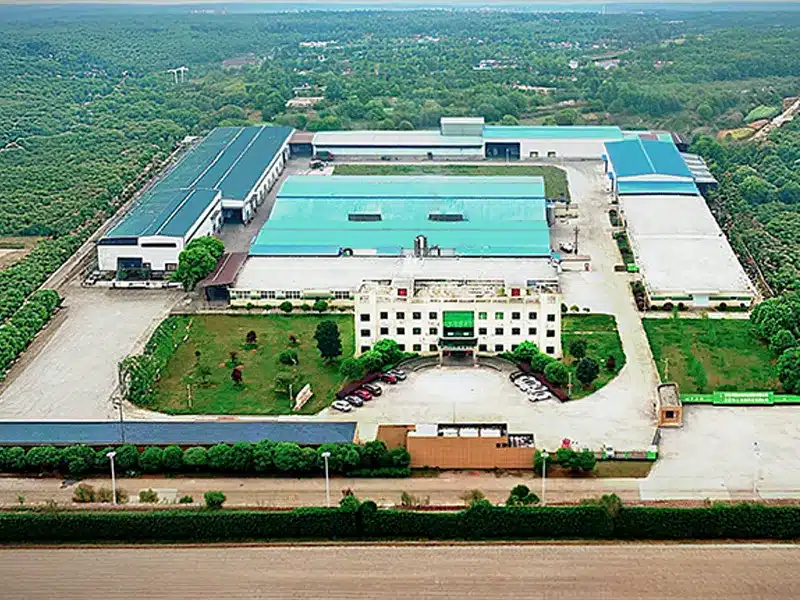
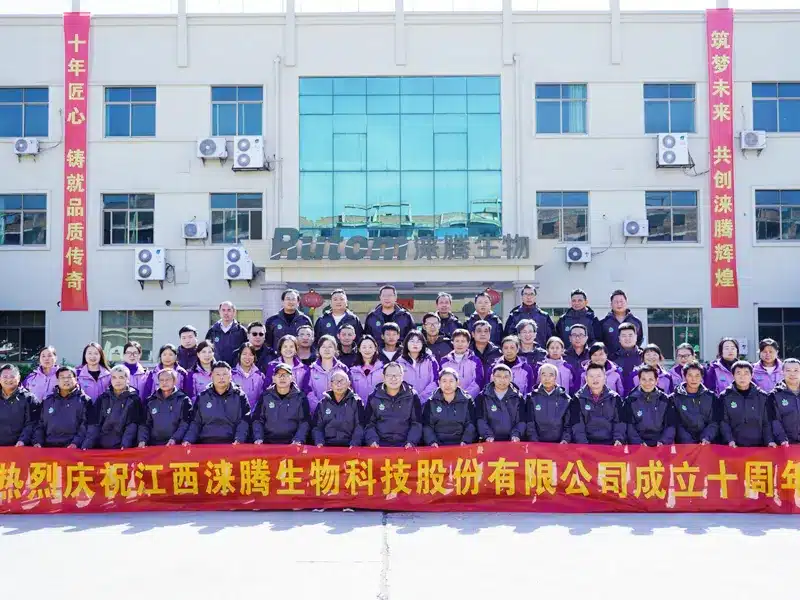
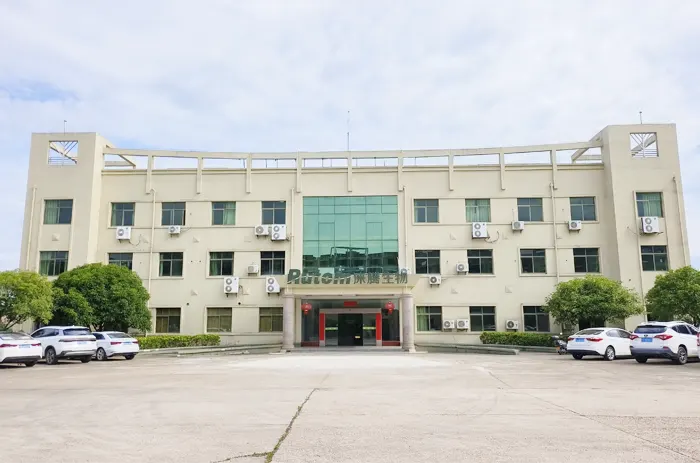
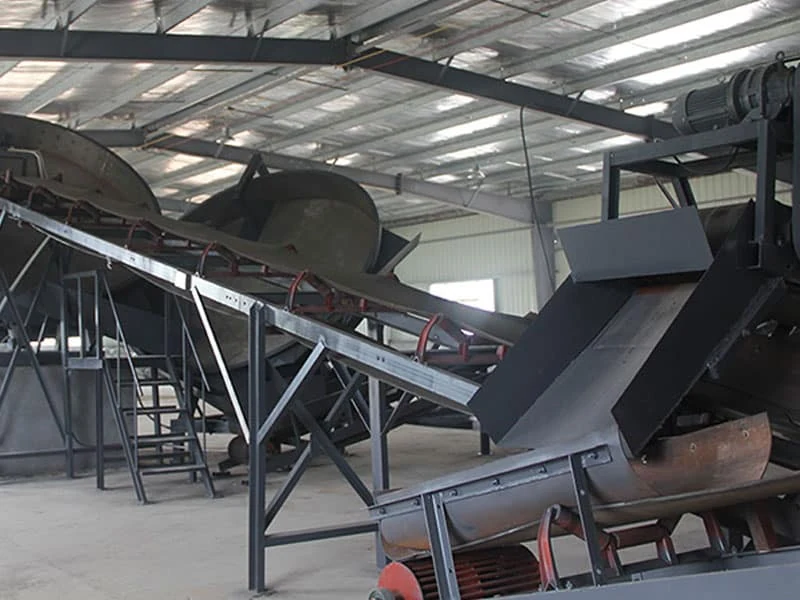
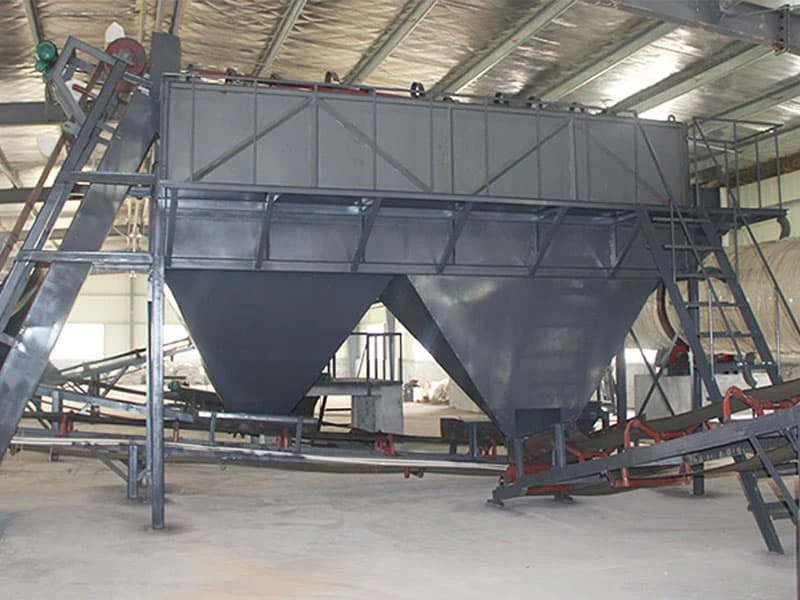
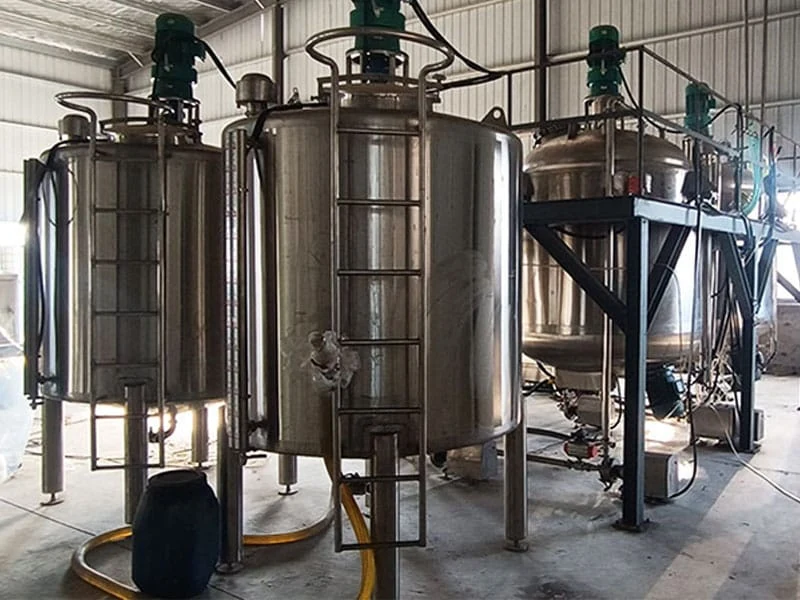
Geschrieben vom technischen Lieferdesk der Jiangxi Rutom Biotechnology Co., Ltd, einem ECOCERT- und CERES-zertifizierten Hersteller von tierischem Organikdünger in Fengcheng, Jiangxi, China. Wir sind ein Unternehmen für organischen Dünger mit eigener Granulierungsanlage und kein Handelshaus, das bei einem solchen einkauft – das ist der Unterschied, der entscheidet, ob ein Lieferant eine deklarierte Analyse einhalten oder nur weiterleiten kann.
Käufer, die uns als Organikdüngerfabrik sind willkommen, persönlich oder durch Dritte zu auditieren. Nachhaltige Beschaffung und regenerative Praktiken sind der Grund, warum diese Kategorie existiert, und sie sind auch Behauptungen, die leichtfertig aufgestellt werden, daher lassen wir uns lieber prüfen als glauben.
Die kommerziellen Bedingungen auf dieser Seite sind unsere Standardpositionen zum 31. Juli 2026, in gutem Glauben angegeben und nicht als vertragliches Angebot. Die Zertifizierungsabdeckung entspricht den an diesem Datum gültigen Konformitätserklärungen. Beide Zertifizierer betreiben öffentliche Verifizierung, und Sie sollten diese nutzen, anstatt sich auf diese Seite zu verlassen.



 English
  Spanish
  French
  Japanese
  Korean
  German
  Portuguese
  Italian
  Indonesian
  Vietnamese
  Turkish
  Persian
  Russian
  Chinese