目录
您在寻找值得信赖的有机肥料制造商吗?

了解我们如何帮助您!

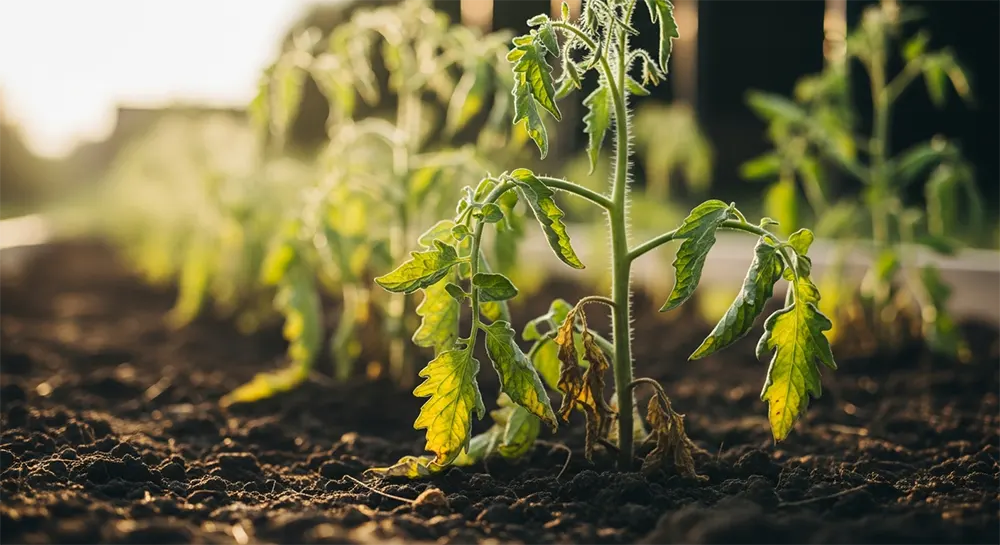
wilting tomato plants

Last spring, my neighbor Jane spent weeks pouring care into her vegetable garden — watering on schedule, adding fertilizer, doing everything a careful gardener is supposed to do. Then, inside of two weeks, her entire tomato bed collapsed. She came over in tears, completely at a loss.

The soil looked fine. The weather had been normal. But when we pulled a plant out of the ground together, the roots were already black and mushy — the damage had been happening underground long before any leaf showed a symptom. Jane had done nothing wrong. Her soil was just sick.

This is more common than most gardeners realize. We obsess over watering schedules and fertilizer ratios, but soil health often goes ignored until something dies. If you’ve ever lost plants you thought you were caring for correctly, a soil-borne disease might be the answer nobody told you to look for.

What Are Soil-Borne Diseases?

Soil-borne diseases are infections that plants get from pathogens living in the soil — fungi, bacteria, nematodes, and some viruses that attack roots or the stem base rather than spreading through air or water. They sit in the ground and wait for the right host.

The scale of the problem is bigger than most people expect. Soil-borne pathogens account for roughly 90% of serious crop diseases in the US, and in heavily infested fields, growers can lose 50–75% of their yield in a single season. Even mild infections typically cut output by 20–30%. The issue affects everything from backyard vegetable beds to large commercial farms.

What makes them especially tricky is persistence. These pathogens don’t just survive between seasons — some of them survive for over a decade, waiting in the soil for the next susceptible plant.

Common Types of Soil-Borne Pathogens

Fungal Pathogens

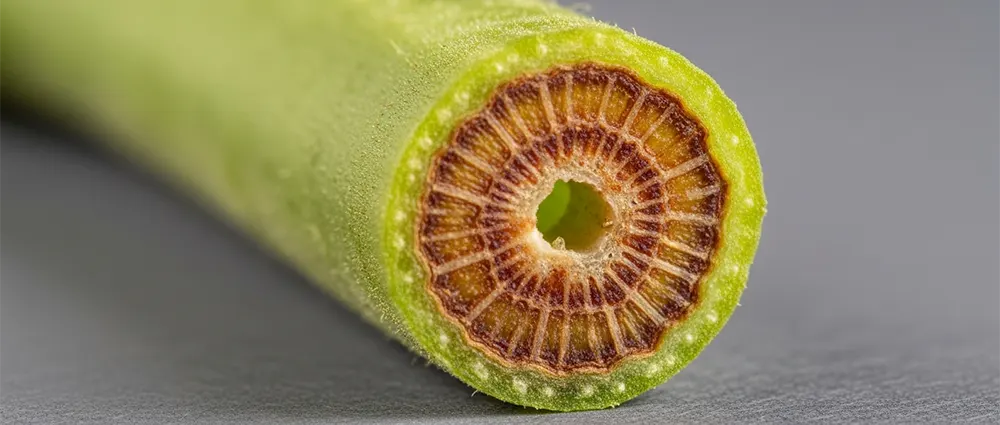
Fusarium wilt on tomato

Fungi cause the majority of soil-borne disease problems. The ones you’re most likely to encounter:

  • Fusarium species — survive 5 to 10 years in soil; cause wilt disease and root rot in tomatoes and melons
  • Rhizoctonia solani — responsible for damping-off and root rot in almost all vegetable crops; persists 3 to 5 years
  • Pythium and Phytophthora — thrive in wet conditions; produce swimming spores that move through water-saturated soil pores
  • Verticillium — blocks water-conducting vessels inside plants, causing wilt in vegetables, 果树 and ornamentals
  • Sclerotinia — forms dense survival structures called sclerotia that can last years in soil, causing white mold

Many of these fungi form specialized survival structures — sclerotia, chlamydospores, oospores — that allow them to outlast crop rotations and even soil treatments.

Bacterial Pathogens

  • Ralstonia solanacearum — causes bacterial wilt in tomatoes, peppers, and potatoes; can kill plants within days of infection
  • Agrobacterium — produces crown gall, creating tumor-like growths on stems and roots
  • Streptomyces scabies — causes potato scab, reducing market value even when yields are otherwise normal

Nematodes

These microscopic worms feed on plant roots. Root-knot nematodes create swollen galls on roots, while cyst nematodes form protective cysts that hold hundreds of eggs and can survive 3 to 10 years. Both types significantly stunt plant growth, and because the damage happens underground, the plants above just look inexplicably weak.

Viruses

Some viruses persist in soil through vectors — organisms that carry them. Potato mop-top virus, for example, is spread by a soil-dwelling protozoan. These are less common than fungal or bacterial diseases but harder to manage once established.

How to Recognize a Soil-Borne Disease

What You’ll See Above Ground

The frustrating thing about soil-borne diseases is that above ground symptoms look a lot like other common problems — overwatering, underwatering, nutrient deficiency. The key difference is that these symptoms persist or worsen even when you correct those variables.

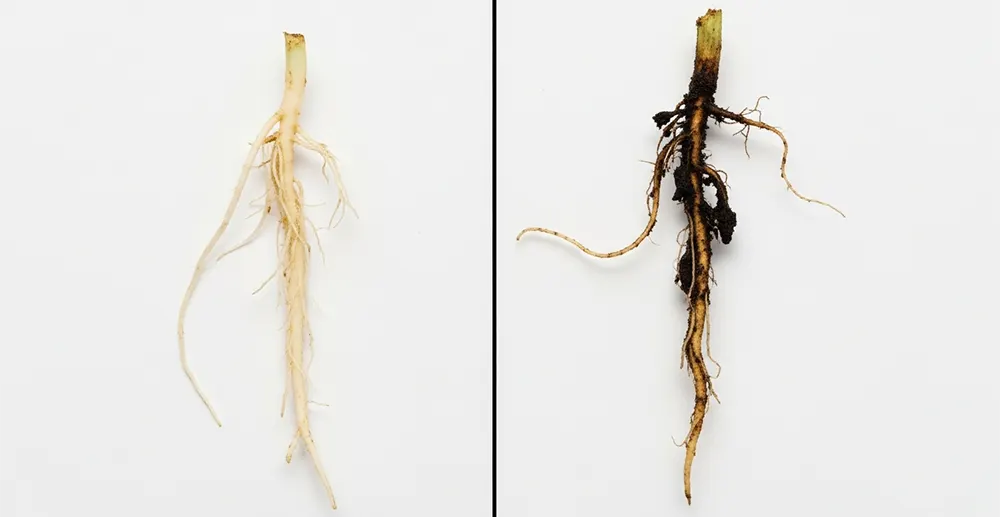
Diseased root compariso

  • Wilting during afternoon heat that doesn’t recover overnight
  • Yellowing that starts on the lower leaves and works upward
  • Stunted growth despite adequate water and nutrients
  • Brown or black discoloration on stems, especially at the soil line

What You’ll See Below Ground

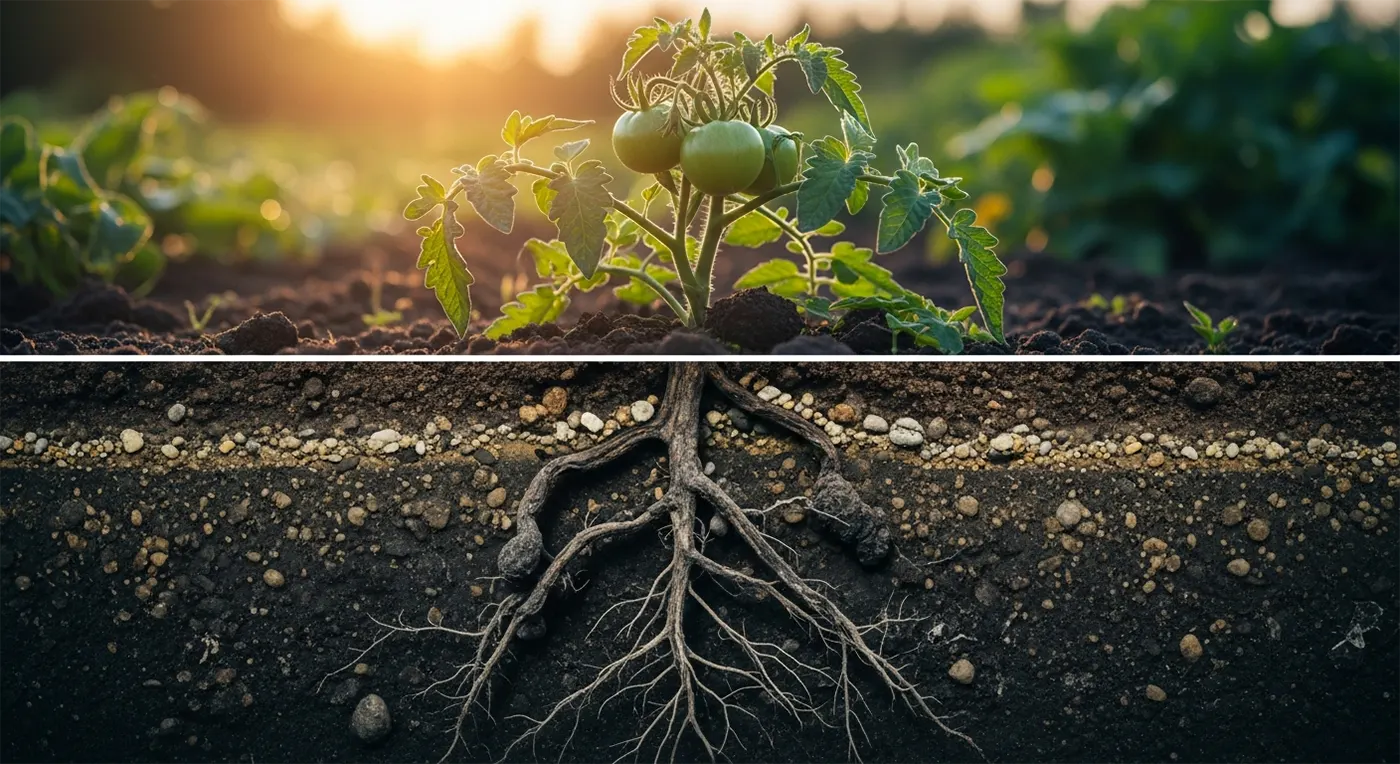
If you suspect a soil-borne issue, pull a plant and look at the roots. Healthy roots are white and firm. Diseased roots tell a different story:

  • Root rot — brown or black, mushy tissue instead of firm white roots
  • Galls and knots — swollen bumps caused by nematode infection
  • Lesions — dark, sunken areas along the root surface
  • Stem discoloration — dark patches at or just below the soil line, common with damping-off

Making a Diagnosis

Don’t try to guess from above-ground symptoms alone. Here’s a simple process:

  1. Walk through your planting area in a zigzag pattern to map where problems are concentrated
  2. Dig up both a sick plant and a healthy one nearby — compare the roots side by side
  3. Send root samples to a local agricultural extension office or diagnostic lab for identification
  4. Record the location, timing, plant variety, weather conditions, and what treatments you’ve used — this becomes invaluable for managing future seasons

The Real Cost of Soil-Borne Disease

The economic impact runs into billions of dollars annually worldwide. But beyond the financial loss, the effects are layered:

  • Yield loss — 50–75% in severely infested fields; 20–30% even with mild infection
  • Quality reduction — surviving fruits and vegetables may be smaller, misshapen, or poor-tasting
  • Rising costs — more money spent on treatments, replanting, and specialized management
  • Market restrictions — some diseases trigger quarantine rules that limit where produce can be sold

For home gardeners, the damage is more personal. Watching a carefully tended bed fail is demoralizing, especially when you don’t understand why. Jane’s tomato season was essentially lost — not because of anything she did wrong, but because of a problem she didn’t know to look for.

Strategies for Management and Control

No single method eliminates soil-borne pathogens completely. The soil is a complex ecosystem, and the goal isn’t eradication — it’s suppression. You want to tip the balance so beneficial organisms outnumber harmful ones and your plants can defend themselves.

Cultural Practices

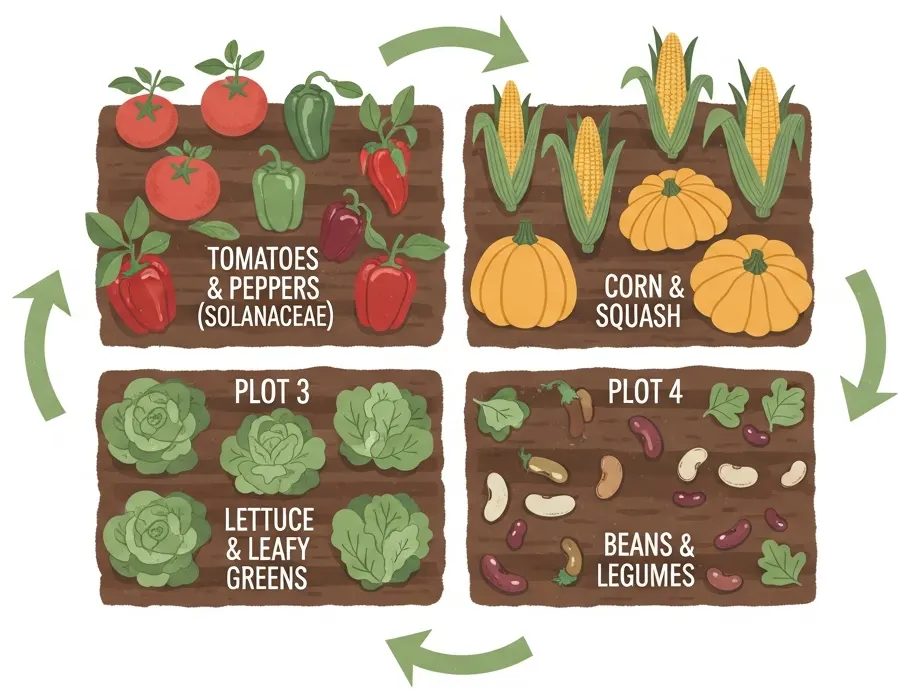
Crop rotation is the most accessible tool most growers have. Rotating plant families every 3 to 5 years disrupts disease cycles. A simple example: tomatoes one year, corn the next, then lettuce, then beans. Note that some pathogens with long-lived survival structures (like Verticillium) are harder to displace this way.

Crop rotation plan

Resistant varieties and grafting offer strong protection. When available, choose varieties specifically bred for resistance to the pathogens common in your area. Grafting disease-susceptible varieties onto resistant rootstocks is standard practice for commercial tomato, melon, and cucumber production.

Sanitation stops spread. Remove infected plants and the soil immediately surrounding them. Clean tools with diluted bleach or isopropyl alcohol between uses — skipping this step is an easy way to carry disease from one bed to another.

Irrigation management matters more than most people realize. Overwatering creates exactly the conditions Pythium and Phytophthora love. Drip irrigation keeps water at the root zone without saturating the surrounding soil. Raised beds and good drainage help significantly.

Soil Amendments and Biological Control

Adding quality compost and aged manure does more than feed plants — it feeds the microbial communities that naturally suppress pathogens. The beneficial microorganisms compete with and inhibit disease organisms. The key word is quality: poorly composted material can actually introduce pathogens rather than suppress them.

Specific biological agents can be added directly to soil. Trichoderma fungi parasitize harmful fungal pathogens. Bacillus bacteria produce natural antibiotics. Both are available as commercial products and are increasingly used in organic and conventional systems.

Cover crops add organic matter and reduce pathogen populations, but choose carefully. Some cover crops are hosts for the same diseases that affect your main crops.

Physical Methods

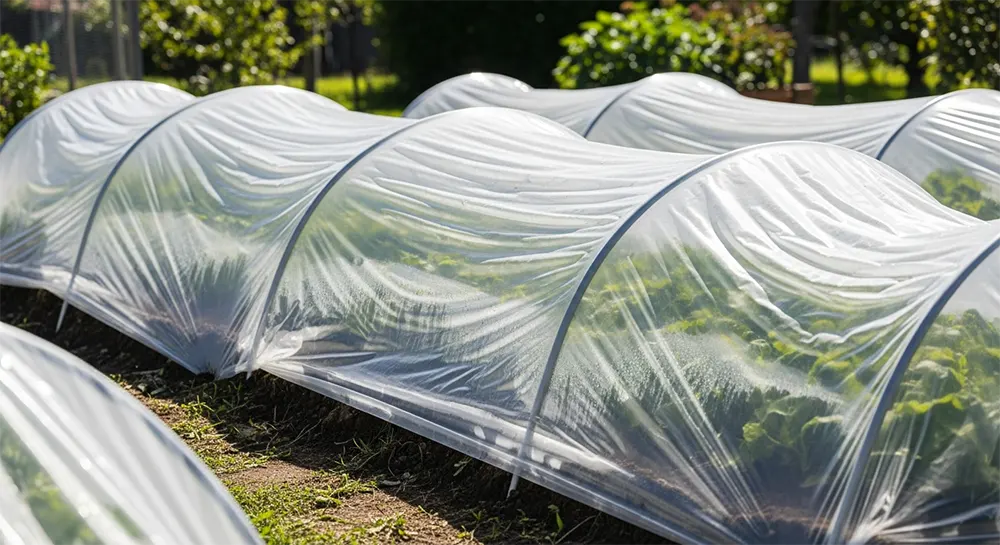
Soil solarization uses solar heat to kill pathogens. During the hottest weeks of summer, cover moist soil with clear plastic for 4 to 6 weeks. Soil temperatures rise high enough to kill many fungi, bacteria, nematodes, and weed seeds. It works best in sunny, hot climates and costs very little — just time and plastic sheeting.

Soil solarization

Steam sterilization injects steam directly into soil, killing nearly all pathogens including heat-resistant ones. It requires specialized equipment and takes 3 to 4 hours per treatment. Most practical for greenhouses and nurseries.

Anaerobic soil disinfestation (ASD) creates oxygen-free conditions that are lethal to many pathogens. You add easily decomposable organic matter (molasses, rice bran) to moist soil and cover it with plastic. Microbial activity consumes all available oxygen and produces toxic byproducts that kill pathogens. Takes 2 to 3 weeks and works in most climates. ASD has gained significant traction for strawberry production in California and vegetable growing in Japan and Europe.

Biofumigation

Certain brassica cover crops — mustard, rapeseed, radish — contain sulfur compounds called glucosinolates. When you chop these plants and incorporate them into moist soil, they break down into isothiocyanates (ITCs), which act as natural fumigants.

For best results, cut brassica crops at peak bloom, incorporate immediately into wet soil, and cover with plastic to trap the fumigant gases. Allium species (onions, garlic) have similar effects when crushed into soil.

One important note: wait a few weeks after biofumigation before planting, or you risk phytotoxicity — the same chemicals that kill pathogens can damage seedling roots if you plant too soon.

Chemical Controls

Fungicides should be the last resort, not the first response. Use them when other methods haven’t worked and the economic cost of the disease justifies the treatment. Effective options include azoxystrobin, cyprodinil, and fludioxonil, but rotate between fungicides with different modes of action to avoid building resistance.

For organic operations, copper compounds, sulfur, and biological fungicides are approved options. They tend to be less immediately effective than synthetic fungicides, but they fit within organic production systems and support rather than damage soil biology.

One caution worth taking seriously: heavy fungicide use can harm beneficial soil microbes and, over time, create resistant pathogen populations. Use chemical controls strategically, not as a default.

Prevention: The Most Underrated Strategy

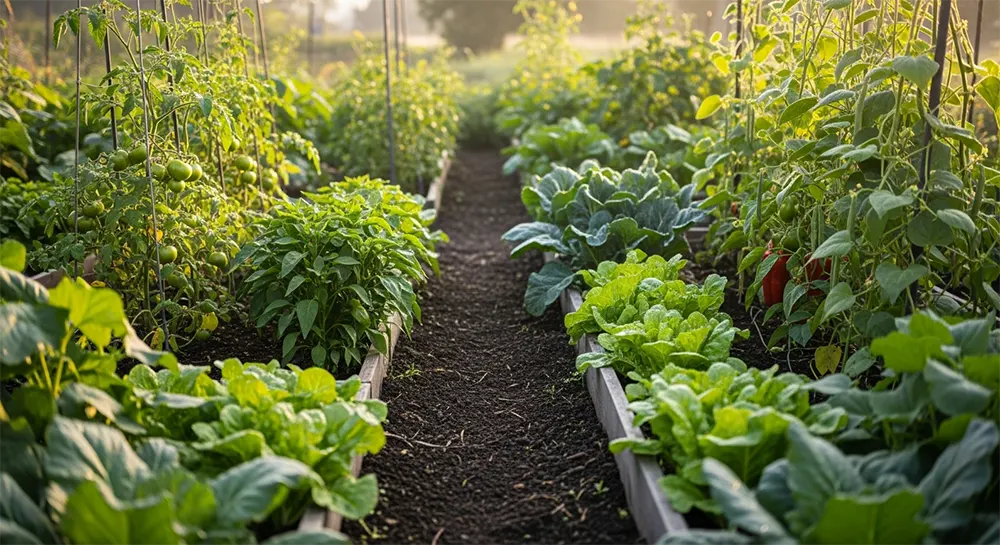
Healthy thriving vegetable garden

Everything above is about managing a problem you already have. Prevention is cheaper, less labor-intensive, and more effective — but it requires consistent habits.

  • Start clean: buy seeds and transplants from certified disease-free sources. Inspect plants carefully before purchase. One infected transplant can introduce a pathogen that persists in your soil for years.
  • Fix drainage: waterlogged soil is an open invitation for Pythium, Phytophthora, and others. Amend heavy clay soils with organic matter, build raised beds in low-lying areas, and install drainage tiles if needed.
  • Maintain 土壤pH值 and fertility: most vegetables do best in soil with pH 6.0 to 7.0. Test annually and amend as needed. Plants under nutritional stress are significantly more susceptible to infection.
  • Scout regularly: walk your growing area at least once a week during the season. Catching problems early is the difference between saving most of a crop and losing all of it.
  • Keep records: note where and when diseases appear, what varieties were affected, weather patterns, and treatments used. This information becomes your most practical tool for planning future seasons.

Integrated Disease Management

The most effective approach layers multiple strategies into one coherent plan:

Prevention — start with clean seeds, resistant varieties, and good sanitation hygiene

Reduction — when pathogen pressure is high, use soil solarization, ASD, or biofumigation to bring numbers down

Suppression — build soil health with organic amendments, cover crops, and beneficial microbes to create conditions that don’t favor disease

Maintenance — keep up crop rotation, proper nutrition, and careful irrigation as ongoing baseline practices

The underlying philosophy: you can’t sterilize a living ecosystem. Instead, you build conditions where beneficial biology consistently outnumbers harmful biology, and plants have the resources to defend themselves.

What’s Coming in Soil Disease Management

Research in this area is moving quickly. A few developments worth watching:

  • Disease-suppressive soils: some soils naturally resist pathogen spread even when pathogens are present, due to specific microbial communities. Researchers are working to understand and replicate these conditions.
  • Microbiome management: advanced DNA sequencing now allows detailed mapping of soil microbial communities. Future growers may routinely test and adjust their soil microbiomes the way we currently test pH and nutrients.
  • Climate-adapted strategies: shifting temperature and rainfall patterns will change how soil-borne diseases spread and behave. Management approaches will need to adapt accordingly.
  • Precision agriculture tools: site-specific treatment of disease hotspots rather than blanket field-wide application could reduce costs and limit disruption to healthy soil biology.

常见问题

How long do soil-borne pathogens survive without a host plant?

It varies considerably by organism. Some bacteria survive only days to weeks without a host. Fungal structures like sclerotia can persist more than 10 years. Nematode cysts typically survive 3 to 10 years depending on species. This is why a single growing season’s crop rotation rarely solves a serious infestation.

Can I reuse soil that’s been infected?

In small container gardens, replacing infected soil is often the simplest solution. In garden beds or fields, it’s not practical. Instead, combine soil solarization or ASD with organic amendments and a multi-year rotation plan. Expect 2 to 3 seasons to significantly reduce pathogen populations.

Do organic farms have worse soil-borne disease problems?

Not necessarily. Organic systems emphasize soil health and biological diversity — which naturally suppresses many diseases. The tradeoff is fewer chemical options for rapid intervention. Organic growers who invest in soil biology often have more resilient systems in the long run.

What’s the single best natural treatment?

There isn’t one. Effective management is always a combination: crop rotation + quality compost + beneficial microorganisms + consistent cultural practices. The right blend depends on your specific soil type, climate, crops, and which pathogens are present.

总结

Jane replanted later that season with a resistant tomato variety. She amended the bed with good compost, switched to drip irrigation, and kept a closer eye on the roots when she transplanted. She didn’t lose a single plant.

That’s not luck — that’s what happens when you understand what you’re dealing with. Soil-borne diseases are persistent and often invisible until the damage is done, but they’re manageable. The growers who do best with them are the ones who focus on soil health as an ongoing practice rather than a crisis response.

Start with the basics: clean planting material, good drainage, crop rotation, and regular observation. Build from there. The soil is a living system, and with the right management, it can work for your plants rather than against them.

关于作者Jason Chin

我是 Rutom Bio 公司的 Jason。我们公司主要生产获得 ECOCERT 和 CERES 认证的有机肥料。我是搜索引擎优化师和博客作者。.
请留言
张贴标签: