
テーブルの内容
同じ数字、異なる袋
ある園芸家がr/OrganicGardeningにグアノの箱を2つ投稿し、スレッドが明確に答えられなかった質問をしました:
“なぜこの箱が同一なのか、誰か説明してもらえませんか?片方にはもう片方にない機能があるのでしょうか?分析値もリン含有率も同じパーセントなのに…’
28件の返信が続きました。最も核心に近かったのは、最も短いものでした:一つはグアノ、もう一つは化石化したグアノ、つまり採掘される岩石だ、というものです。
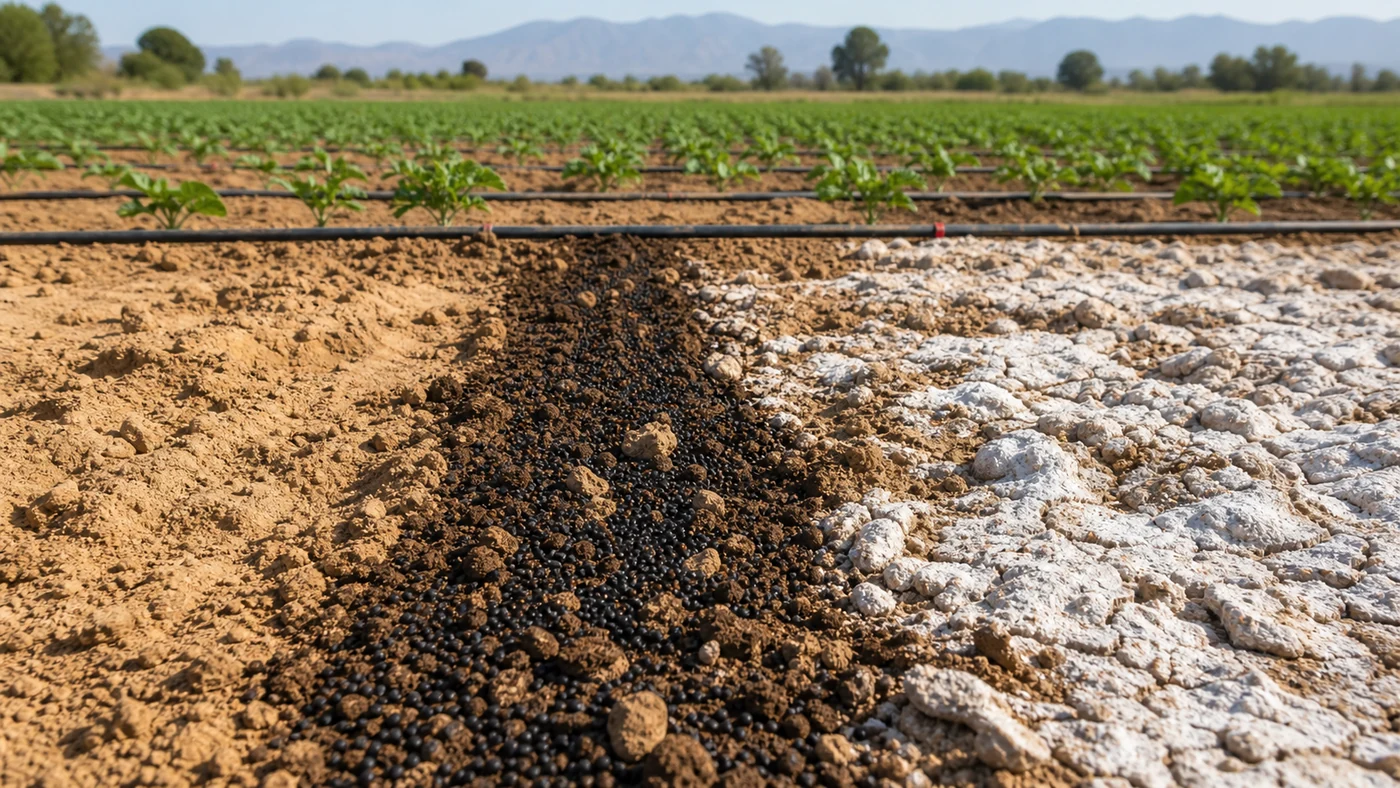
その答えは正しいです。また、それは袋が教えてくれない何かを指し示しています。2つの製品が同じ名前を持ち、同じリン含有率を表示し、数千年離れた年代の鉱床から採掘されることがあります。数字は一致します。しかし、材料は一致しません。
その差は見た目以上に重要です。花壇用に5ポンド購入する栽培者は吸収できます。保証分析値に合わせて20トンを配合するブレンダーは吸収できません。なぜなら、最初のシーズンに現れるリンと、3シーズンにわたって現れるリンは、互換性のある投入物ではないからです。そのうちの1つだけがラベルに表示されます。
2つ目のコストがあります。1つ目よりも静かなものです。2つの材料が同じ名前を共有するとき、価格比較は機能しなくなります。2つの見積もりを見ている買い手は、両方に同じ3つの数字を読み取り、安い方を選び、土壌で異なる挙動を示すものを受け取ります。誰も嘘をついていません。ラベルは単に、それらを区別する情報を伝えるように作られていなかっただけです。
このページは、実際に必要なのはどちらか、そしてコンテナに積み込む前にそれらをどう見分けるかについてです。海鳥グアノとは何か、化石化した種類と新鮮な種類がどこで分かれるのか、グアノ分析が何を省略するのか、バッチ間で数値がどれだけ変動するのか、そしてサプライヤーに何を尋ねるべきかをカバーしています。
コウモリグアノとの比較は中間に位置します。ほとんどの買い手が最初に手に取ります。それは購入を決定づける比較ではなく、その理由がこのページで最も有用な情報です。
海鳥グアノの産地
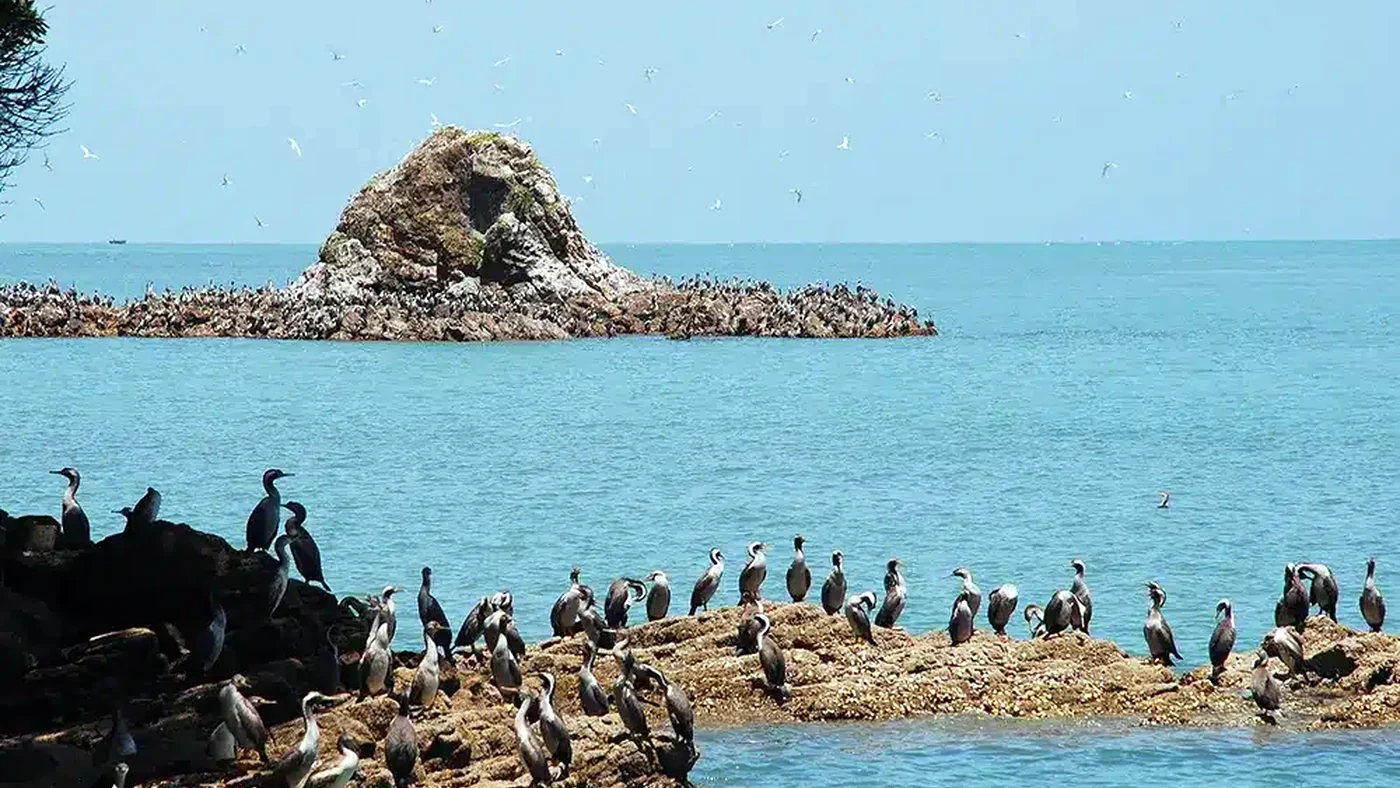
海鳥グアノは、魚を食べる沿岸鳥類の糞の堆積物です。鵜、ペリカン、カモメのコロニーが乾燥した沖合の島に営巣し、降雨量が少ない場所では、堆積物が風化によって失われるよりも速く蓄積されます。
食性が化学的性質を説明します。リンとカルシウムが支配的です。窒素はそうではありません。海鳥は尿素ではなく尿酸を排泄し、尿酸は窒素をしばらく溶脱に抵抗する形態で保持します。それが、新鮮な堆積物が窒素を運び、古い堆積物がそれを運ばなくなる理由です。
地理が残りを決定します。採掘に値する堆積物は、3つの条件が重なる場所にあります:大規模なコロニー、ほぼ無降雨、そして十分な時間です。そのいずれかが欠けると、材料は蓄積されないか、重要になる前に洗い流されます。これが商業マップが非常に短い理由です。ペルー、チリ、ナミビア、少数の太平洋諸島、そしてそれ以外はほとんどありません。
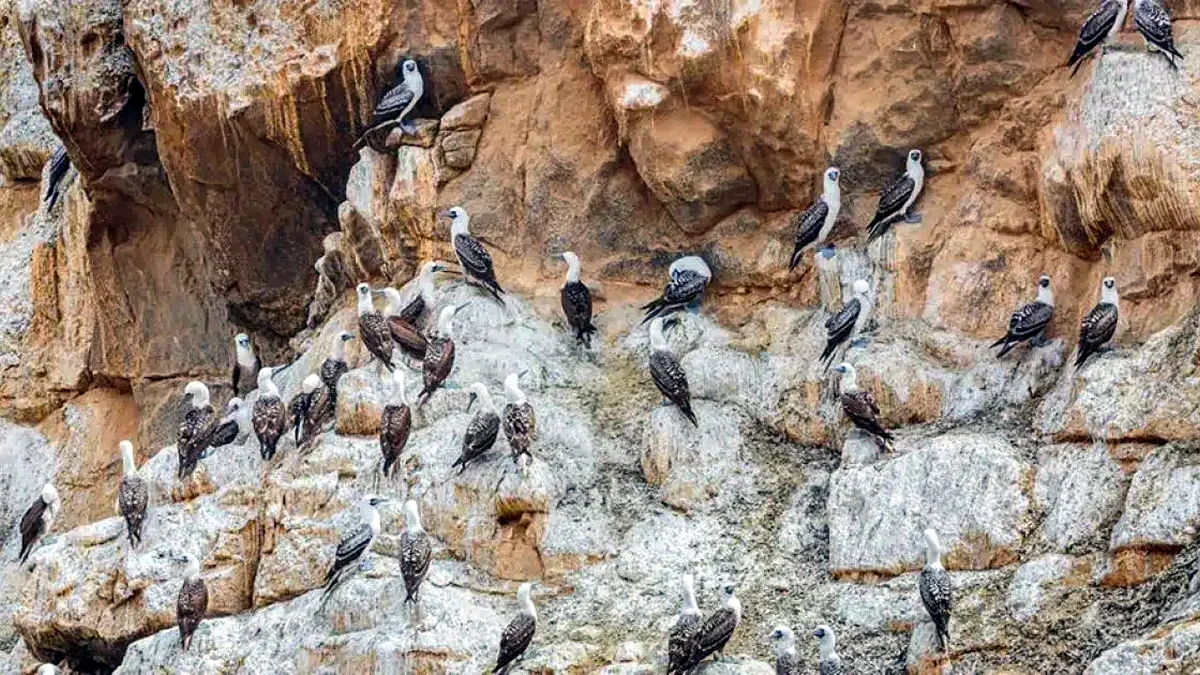
ペルーはカテゴリー全体の基準点です。チンチャ諸島は19世紀半ばを通じて世界のグアノの大部分を供給し、1848年から1875年の間に約2000万トンがヨーロッパと北アメリカに運ばれました。この貿易は2つの大陸の農業を再形成し、3つ目の大陸の政府に資金を提供しました。
人々は今でもなぜ止めたのか尋ねます。2つのことがほぼ同時に起こりました。ペルーの最良の堆積物は、本格的な採掘から数十年以内に枯渇し、ハーバー・ボッシュ法が登場して、ほぼ無料で空気から窒素を引き出すようになりました。グアノは工業化学に窒素の論拠を奪われ、二度と取り戻せませんでした。
その後、商業供給に残ったのは、主に古く風化した材料でした。つまり、今日購入できる海鳥グアノ栄養素は、19世紀の貿易を築いた海鳥グアノ栄養素ではありません。同じ島、同じ鳥、異なる岩です。
鳥自体の行動は変わっていません。採掘可能な堆積物が変わったのです。過去1世紀に堆積したものはすべて、現在保護されているか監視されているか、あるいはその両方の島にあり、商業チャネルを通じて移動する材料は、保護が導入された時点で既に存在していた古い鉱脈から来ています。その変化が次のセクションの全主題です。
二つの物質、一つの名称
グアノ鉱床は、どの鳥が生産したかだけでなく、年代と成因によって分類される。学術文献はこれを明確に行っている。あるレビューの章は、農業利用を議論する前に、カテゴリーを年代、化学組成、地理的起源によって分類している。しかし貿易の現場はほとんどそうしない。買い手はそのギャップに落ち込む。
新鮮または軽度に風化したグアノは、まだ窒素とカリウムを保持しています。古い堆積物は保持しません。雨は可溶性窒素を何世紀にもわたって溶脱させます。有機物は分解して消え去ります。残るのは、かつてコロニーがあった場所に座するリン酸カルシウム岩、第二リン酸カルシウムです。あるオーストラリアのサプライヤーは、自社の材料をまさにその言葉で説明しています:数千年前に堆積した鳥の糞、窒素は減耗し、リン酸塩が残されました。
二つの言葉。二つの製品。
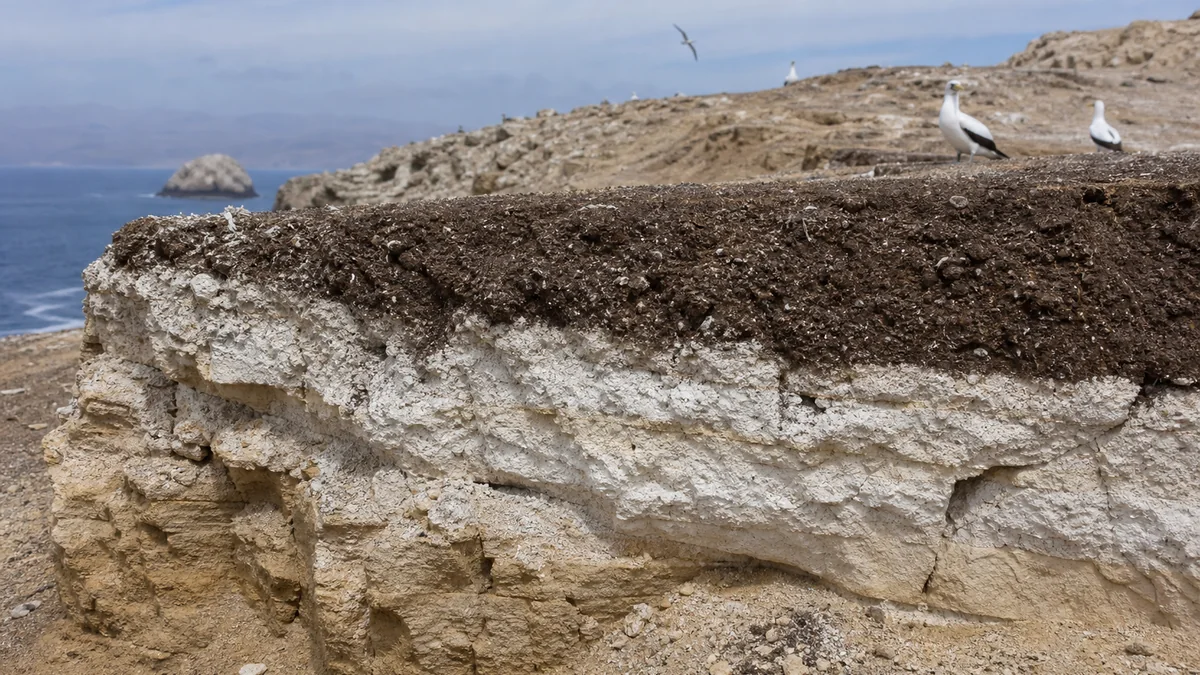
風化はスイッチではなく勾配で進行するため、市場はすべての中間段階を同時に運びます。50年の軽い雨の下にあった堆積物は、5000年の下にあったものとはまったく異なります。両方とも同じ2つの言葉で袋詰めされます。
市場が一つの名前で販売するもの
| 分析値(N-P-K) | Sold as | タイプ |
|---|---|---|
| 0-4-0 | 液体海鳥グアノ | 風化、希釈 |
| 0-10-0 | 200メッシュ粉末 | 風化 |
| 0-11-0 | Down To Earth・Old Farmer’s Almanac・ARBICO | 風化、米国小売標準 |
| 0-12-0 | Roots Organics | 風化 |
| 6-12-0 | 各種 | 部分的に風化 |
| 12-11-2 | BlueGold、OMRI Listed | 新鮮 |
| 12-12-2.5 | Blue Ocean | 新鮮 |
窒素の列を下に読んでください。ゼロから十二まで。すべての行に同じ製品名がある。
検索行動は混乱に従います。人々は海鳥グアノ0-11-0とペルー海鳥グアノ12-11-2をあたかも別の製品であるかのように検索しますが、実際には別物です。彼らは海鳥グアノ12-12-2.5を検索します。なぜなら、目の前の袋にまさにそのように書かれており、オンラインのどこにも隣の袋となぜ異なるのかを説明していないからです。
色は分析値とほぼ同じくらいの情報を運びます。風化した海鳥堆積物は灰色から白に及びます。魚の骨からの炭酸カルシウムが残ったものを支配するからです。新鮮なグアノはより暗いです。コウモリグアノはさらに暗く、しばしば黒に近いです。サプライヤーが淡い灰色の粉末の写真を、12パーセントの窒素を主張する証明書とともに送ってきた場合、その2つのうちの1つが間違っており、注文が入る前にどちらかを確認する価値があります。
2012年のHouzzのスレッドは、これが販売時点でどれほど見えないかを示しています。栽培者は夏の花のために、海鳥グアノ1-10-0と一緒にコウモリグアノ3-10-1を購入していました。両方の袋に10パーセントのリンと書かれていました。一方は他方の3倍の窒素を運びました。どちらのパッケージの前面にもそのように書かれておらず、栽培者は両方のラベルを撮影してオンラインで見知らぬ人に尋ねた後にのみそれを理解しました。
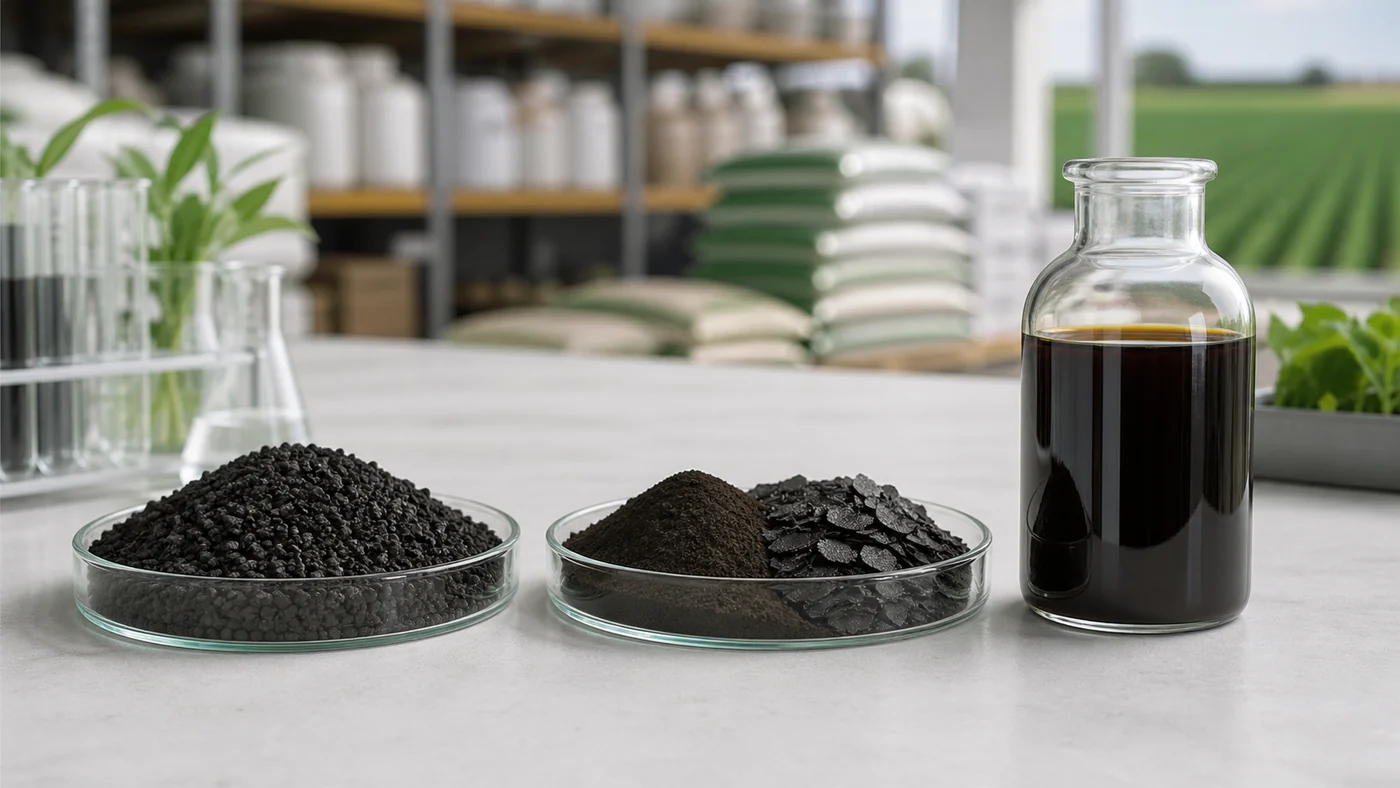
重量と取り扱いも年齢とともに変化し、買い手にもう1つのチェックポイントを与えます。風化した材料は、細かく密度の高い、ほぼチョーク状の粉末に粉砕され、きれいに流れます。より新鮮な堆積物はより多くの有機残留物を保持し、湿気の多い保管で固まり、風化した岩にはない臭気を運びます。両方を開けたことがある人なら誰でも、証明書を読む前にどちらが届いたかを知っています。
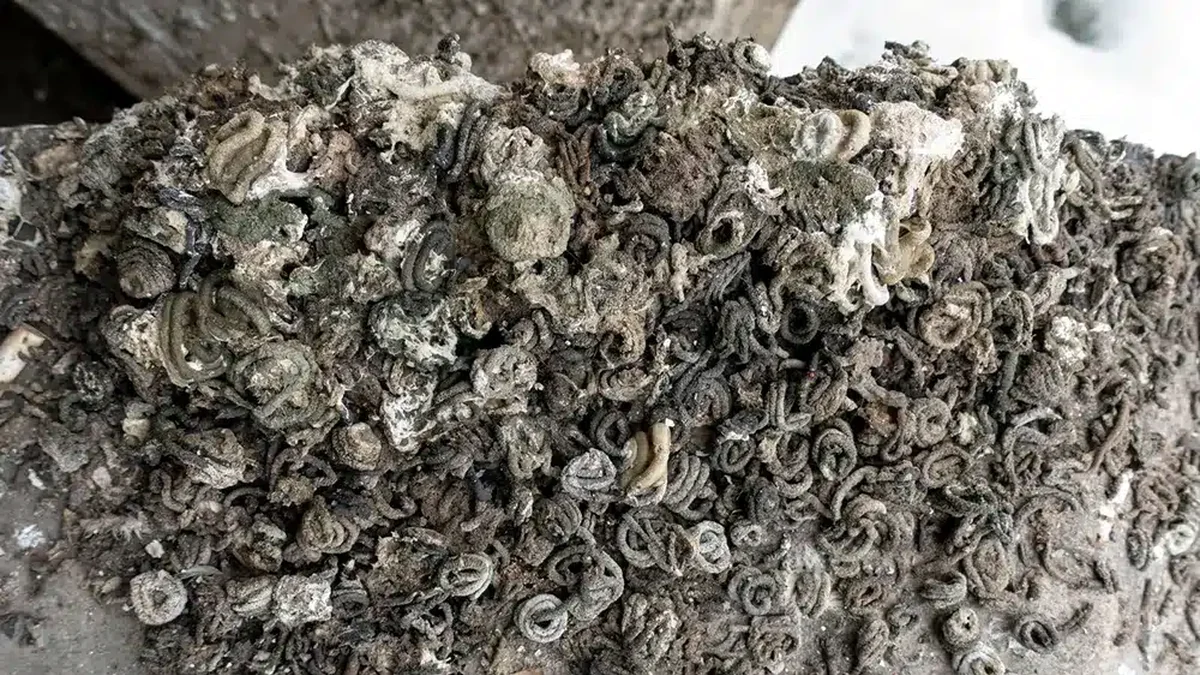
高リン海鳥グアノは、その範囲の風化した最終段階であり、現在世界が供給しているものの大部分を占めています。現在も商業的に採掘されているグアノリン酸塩鉱床は、ほとんど例外なく古いものです。 Rutomはそのタイプを採掘・加工している当社のものは新鮮な状態で採取されたものではなく、分析結果にもそれが反映されています:窒素0.3%、カリ0.5%。11%や12%のリン酸塩で高リングアノを販売している業者は、ラベルにその言葉がなくても、風化した材料を販売していることになります。
そのどれもが、新鮮なグアノを劣った製品にするわけではありません。それは異なる製品であり、価格設定も使用方法も異なり、偶然ではなく意図的に購入する価値があります。失敗のパターンは、間違った選択をすることではありません。選択が行われていることに気づかず、シーズンの成績が振るわないときに材料のせいにするのです。
袋が教えてくれないこと
ここが費用がかかる部分である。
米国の肥料袋では、N-P-K表記の中央の数字は有効リン酸であり、P₂O₅として表されます。Down To Earthは0-11-0と表示しています。11は有効リン酸です。Roots Organicsは0-12-0と表示しています。12は有効リン酸です。この2つの数字は同じ単位であり、購入者は常にそれらを比較します。それは合理的です。単位が存在する目的がそれです。
全リンは異なる量です。それは有効画分に加えて、鉱物中にまだ固定されているリンを含みます:土壌微生物とイオン交換が数週間ではなく数シーズンかけてゆっくりと放出する割合です。全リンは岩石の中にあるものです。有効リンは作物が今年到達できるものです。両者の差は無駄ではありません。それは在庫です。
ラベルには有効リン酸のみが表示されています。全リンは袋の前面にはなく、ほとんどの場合、包装全体にも記載されていません。
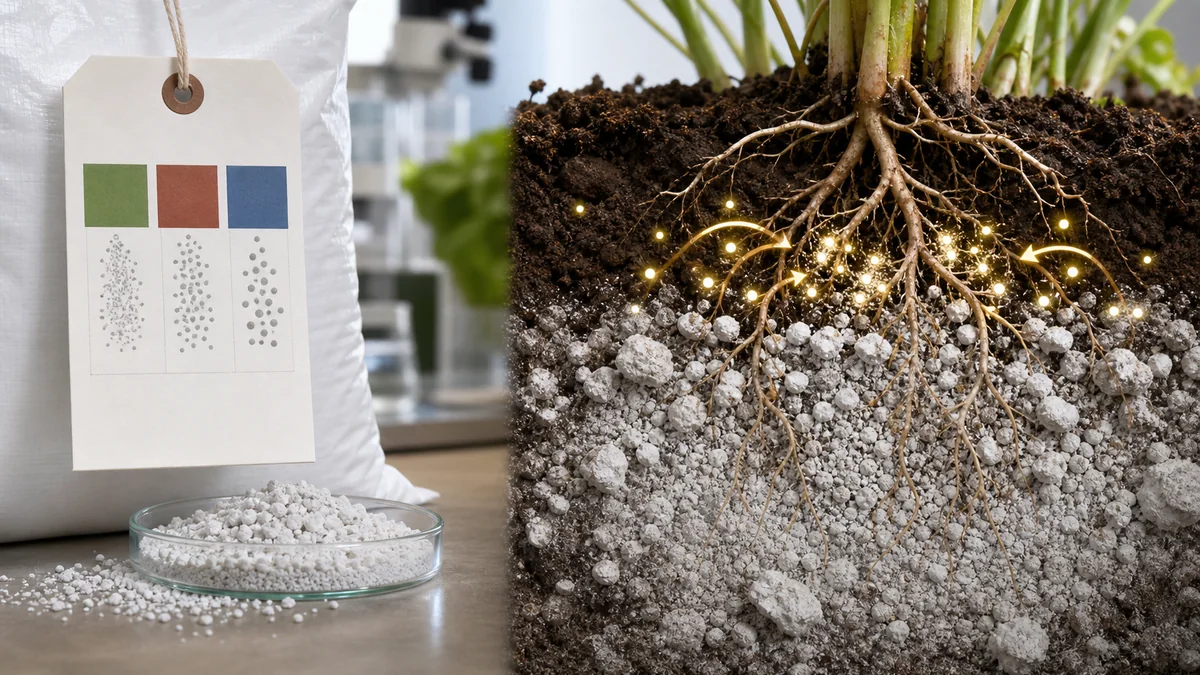
2つの結果が続く。
11と表示された袋と12と表示された袋は、まったく異なる全リン数値の上に載っている可能性があり、それは目に見えません。一方から他方を推測することはできません。なぜなら、その比率はブランドではなく鉱石に依存するからです。2つの供給業者が両方とも真実を述べていても、2年目の挙動が異なる材料を説明している可能性があります。
そして、すべてのグアノ供給業者が宣伝する緩効性の挙動は、その固定された画分から生じます。したがって、その主張は背後にある数字なしで行われます。あるブランドは自社の材料を緩効性と呼びます。別のブランドは「今と後のための栄養素」に丸ごと1セクションを割きます。どちらも、購入者がどちらの主張も確認できる全リン数値を公開していません。
Googleの1ページ目にランクインしている5つのグアノ記事を抽出し、「全リン」というフレーズを検索しました。どの記事にも登場しません。NPK表記の中央の数字が実際に何を測定しているのかの説明もありません。その数字はどこでも使われ、どこでも定義されていません。
当社の2つの数値
Rutomの微粉化パウダーの第三者分析:
- Total P₂O₅ 試験バッチで33.09%(SGS、AOAC 958.01-2005法)
- 保証最低値:30%以上
- Available P₂O₅ — 12%
1つの注意点を、埋もれさせるのではなく明確に述べます。12%は当社の内部管理値です。SGSの分析は全リン、カルシウム、マグネシウム、重金属を対象としています。有効リン酸の項目は含まれていないため、その数字には33.09%が持つ外部の裏付けがありません。2つの数字が同等の立場を示唆して並ぶことを許すよりも、この一文を書く方を選びます。
どのサプライヤーに聞いても構いません(当社を含めて)、 公開された数値のうちどれが外部の研究所によるものか どれが内部管理値かを。その答えは、価格よりも早くベンダーを選別します。そして、尋ねるのに費用はかかりません。
供給業者は全リン数値を隠しているわけではありません。ほとんどの場合、包装の慣習が誰もが3つの数字で読み取るのをやめるように訓練したため、誰もそれを尋ねたことがないのです。
これが、シーバードグアノnpkやグアノnpkの検索が、購入者に役立つ情報をほとんど返さない理由でもあります。NPK表記は、作物が今シーズン得られるものについて完成肥料を比較するために設計されました。採掘された鉱物を説明するために設計されたことは一度もなく、採掘された鉱物をそもそも購入する価値のあるものにする特性を隠しています。N-P-Kラインだけで供給業者間のシーバードグアノのリンを比較している人は、全体像の3分の1を比較してそれを決定と呼んでいるのです。
数値が変動する理由
グアノに関する真面目なガイドはすべて同じ懸念を提起します。通常は記事の後半で、通常はそれを解決せずに:分析値は変動します。ある園芸科学ブログはバッチ変動に独自のセクションを割き、正直に、購入者は袋の中身を確信できないと結論付けています。どれも、どの程度の変動かを述べていません。
当社は述べることができます。なぜなら、それは当社の鉱石だからです。
当社の鉱床全体での酸化カルシウムは 28–40%バッチが採取される鉱脈の部分に応じて変動します。それは地質学であり、製造公差ではありません。コロニーは均一に堆積しませんでした。風化も均一に進行しませんでした。選別と粉砕は粒子サイズを変えますが、その下にある鉱物は決して変えません。
2025年6月にSGSが試験したバッチは は39.55%のCaOで、その範囲の上限近くであり、酸化マグネシウムは3.20%でした。
したがって、保証最低値とバッチ数値は2種類の異なる数字であり、一方を他方の場所で引用することは人々を誤解させます。最低値は、供給業者がすべての出荷にわたって約束する下限です。バッチ数値は、特定のロットが特定の日に測定したものです。契約書には最低値を入れなさい。コンテナが積み込まれる前にバッチデータを求めなさい。
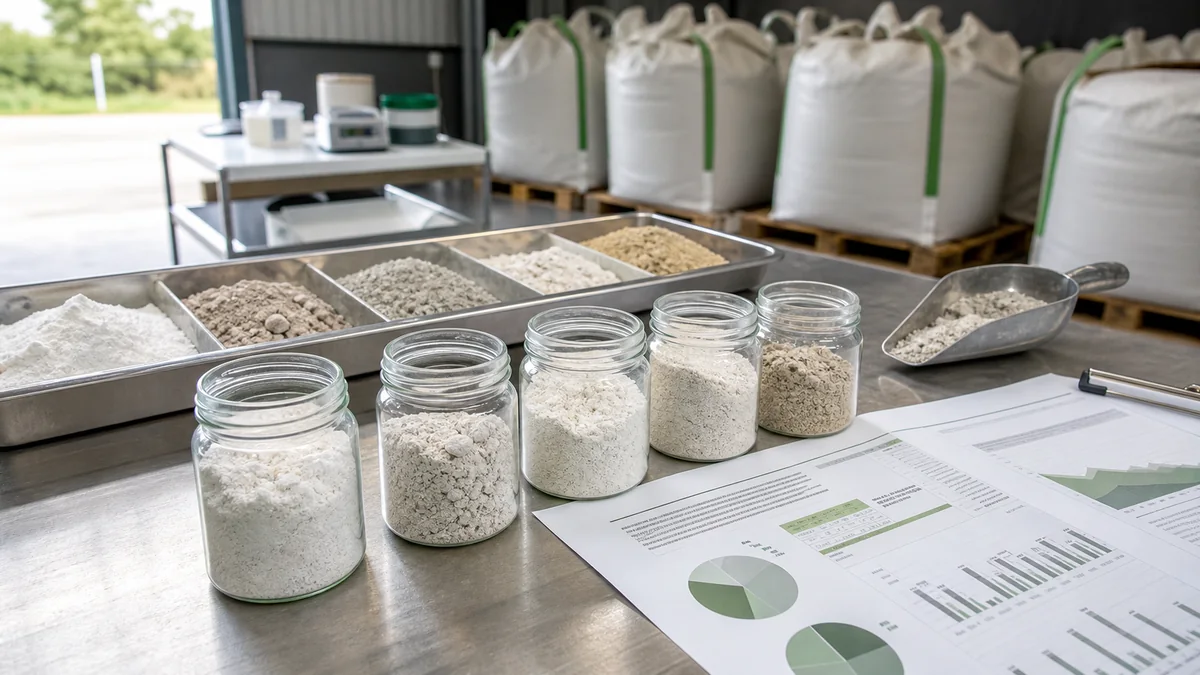
Every mined input behaves this way. Rock phosphate, gypsum, langbeinite, all of them. The difference between suppliers is not whether the numbers move, because they all move. The difference is whether you get told the range and handed the lot data, or whether you get one tidy figure repeated on every document you are ever shown.
A supplier who quotes an identical analysis for every batch is quoting a marketing figure. That is not necessarily dishonest. It usually means the number came off a brochure rather than out of a laboratory, and it means you have no way to verify what actually arrived on the pallet.
Buyers who blend to a formula feel this first. If you are formulating to hit a target phosphate level, a five-point swing in the input changes the recipe, and discovering it after the batch is mixed costs more than one email would have. Growers applying straight material feel it later and more mildly, usually as a season that underperformed for no obvious reason.
このカテゴリーのどのサプライヤーにも、簡単なテストがあります。範囲を尋ねてみてください。十分なバッチを処理した経験のあるベンダーは、一文で答えるでしょう。経験のないベンダーは、再びパンフレットを送ってくるでしょう。
ここで、誠実な反論に一つ答える価値があります。知識のある買い手なら、それを提起するからです。オーストラリアのサプライヤーは、範囲として示されたリン含有量、例えば9〜11パーセントは、品質が不均一な複数の鉱床から混合された材料を示す可能性があると警告しています。その警告は正当です。範囲は、非常に異なる二つの意味を持ち得ます。
The distinction is whether the supplier can also produce the batch. Natural variation within one seam gives you a range や 各出荷がテストされたため、ロット固有の分析です。ブレンドは範囲を与えます 代わりに ブレンドが変化し、誰も追跡しなかったため、ロット分析はありません。両方を求めてください。範囲がバッチ証明書と一緒にある場合、その範囲は地質学的なものです。範囲が単独で来る場合、何が平均され、各成分がどこから来たのかを尋ねてください。
Variability also explains a complaint that surfaces every season on grower forums: the same product, bought twice, performing differently. Sometimes that is storage or soil. Often it is simply two lots from two parts of a seam, both inside spec, neither flagged to the buyer because nobody asked and nobody volunteered.
海鳥グアノ vs コウモリグアノ
The nutrient contrast is covered well enough elsewhere that repeating it at length adds nothing. Here it is compactly, with two other phosphorus sources included because buyers shortlist all four together.
| 海鳥グアノ(風化) | コウモリグアノ | 骨粉 | 魚骨粉 | |
|---|---|---|---|---|
| 代表的な分析 | 0-11-0から0-12-0 | 7-3-1・10-3-1・3-10-1 | 3-15-0 | 3-16-0・4-12-0・4-17-0 |
| 主成分 | リン、カルシウム | 窒素 | リン | リン |
| リリース | slow | 速い | slow | 中程度 |
| 色 | 灰色から白色 | 暗褐色から黒色 | オフホワイト | 灰褐色 |
| ソース | 島の堆積物 | 洞窟の床 | 動物性副産物 | 魚加工 |
昆虫食のコウモリは高窒素のグアノを産する。魚食性の海鳥は高リンのグアノを産する。オオコウモリはその中間に位置する。これが海鳥とコウモリのグアノを比較する際の標準的な枠組みであり、その範囲ではおおむね正しい。
しかし、それは注文を決めるべき比較でもない。
ばらつき inside seabird guano, zero to twelve percent nitrogen depending entirely on how long the deposit sat in the rain, runs wider than the gap between a weathered seabird product and a bat product. Buy on the analysis and the age of the deposit. The bird is a proxy, and a loose one.
Buyers weighing seabird guano vs bone meal usually land on a different axis. Bone meal is an animal by-product, which brings certification questions, market-access restrictions in some countries, and a customer segment that will not touch it. Guano is a mined mineral and carries none of those. Where the two overlap is phosphate level, and there 骨粉の3-15-0はラベル上はより強く見える than weathered guano at 0-11-0 until you ask the same question this page has been asking throughout: stronger on which fraction.
Seabird guano vs fish bone meal is a closer contest on both origin and phosphate. There the deciding factors are usually particle size, odour, and price per unit of phosphate rather than anything nutritional. Fish bone meal also brings a nitrogen contribution that weathered guano cannot match.
Notice what the fish bone meal column does. Three analyses sit in it, from 3-16-0 through 4-17-0, sold by different manufacturers under one product name. The pattern this page opened with is not unique to guano. It runs through every processed and mined organic input, and the only defence is asking for the specific analysis rather than the category average.
One safety note, and its boundary
コウモリのグアノには、海鳥のグアノにはない危険性がある。 Histoplasma capsulatum(ヒストプラズマ・カプスラツム) grows in soils enriched by bat droppings, and disturbing dry guano releases airborne spores that cause histoplasmosis when inhaled. State health departments publish attic and crawlspace guidance on precisely this problem. Two growers in New York died of lung infection linked to bat guano used as fertilizer, and the case was reported widely enough that customers now raise it unprompted.
次に境界について。この問題は両方向に誇張されるからだ。
The documented risk sits in mining, handling and dust exposure. It does not sit in dried, bagged product on a shelf. Workers extracting cave deposits without respiratory protection face a genuine occupational hazard. A gardener opening a sealed bag does not face the same one. Read the state health department guidance and the Bat Conservation International material before repeating anything stronger, and treat any supplier who uses this risk to sell against a competing product with the scepticism that deserves.
For the record, we do not sell bat guano. Describing it accurately costs us nothing, which is exactly why you should weight this section accordingly and check the sources yourself rather than taking our word for it.
風化したグアノが適さない用途
Three limits, stated before purchase rather than after.
窒素。 Weathered seabird guano is not the right choice if you need nitrogen. Ours tests at 0.3%. That is a rounding error, not a feed. A grower on a cannabis forum worked this out the slow way back in 2007 and told the thread you need a high N guano to go with the seabird guano in veg, then a high-phosphate one for flower. He was right. It should not have taken him a growing season to find out, and it would not have if the bag had carried one extra line. Pair weathered guano with an amino acid fertilizer, blood meal, or any fish-based nitrogen source, and plan the nitrogen separately rather than hoping the guano covers it. Growers running a full organic programme usually end up with two or three inputs where a synthetic user would have one, and this is the input that forces that decision earliest.
有機物。 Most guano articles lead with high organic matter as a headline benefit, and for fresh deposits that is fair. Weathered material does not deliver it. With calcium oxide near 40%, phosphate above 30% and silica around 10%, very little room remains for anything else. Low organic matter is a property of mined phosphate rock rather than a fault in it. If soil biology is what you are buying, buy compost and buy the phosphate separately. Trying to get both from one weathered mineral input will disappoint you on both counts.
pH. The calcium that makes this material useful also pushes soil pH upward. On already-alkaline ground it will not help and may hurt. Check a soil test before ordering rather than after spreading. Growers on acid soils get a second benefit from the same calcium, which is one reason this material sells better into tropical and high-rainfall regions than into arid ones. Growers on calcareous soils should probably be looking at a different phosphate source entirely, and any supplier worth dealing with will say so rather than take the order.
これらの3つの限界は、採掘された鉱物としては珍しいものではありません。珍しいのは、請求書の後ではなく前に記載されていることであり、それがここに記載されている唯一の理由です。
グアノのラベルの読み方
購入判断の順序で重要となる5つのポイント。
重金属。 リン酸塩鉱物は微量要素を濃縮する。それは化学の話であり、サプライヤーの欠陥ではない。真面目なベンダーは、誰も尋ねないことを願うのではなく、数値を公表する。Guano Australiaは自社サイトでその原則を明言している:評判の良いブランドはカドミウム、鉛、水銀をラベルに表示する。米国の小売袋のほとんどはどれも表示していない。当社のものは、2025年6月のSGS分析(AOAC 2006.03-2006)による:
| Element | 結果 |
|---|---|
| 鉛 | <5 mg/kg |
| カドミウム | 1 mg/kg |
| 水銀(Hg) | <1 mg/kg |
| ヒ素(As) | 29 mg/kg |
| クロム(Cr) | 10 mg/kg |
| ニッケル(Ni) | <5 mg/kg |
| セレン(Se) | <5 mg/kg |
これらを、お客様の市場が適用する基準値と照合してください。有機投入物基準、ミネラル肥料規制、個別の認証機関ルールはそれぞれ独自の閾値を設定しており、互いに一致しません。ある枠組みをクリアする数値が、別の枠組みでは不合格になることがあります。有用な問いは、材料が抽象的に安全かどうかではなく、登録しようとしている基準をクリアするかどうかです。
単位。 リンとカリウムは、太平洋のどちら側の書類でも酸化物、P₂O₅およびK₂Oとして報告されます。カルシウムとマグネシウムはそうでないことが多い。中国の分析はCaOを報告します。米国の保証分析は元素カルシウムを報告します。当社の39.55% CaOは約28% Caに換算されます。同種のもの同士で比較しないと、同じ材料が一方の書類では4倍豊富に見え、2つの見積もりを並べて読んだバイヤーは約10秒で誤った結論に達します。
不溶分。 溶解しない割合を尋ねてください。当社の粉末は約10%の SiO₂、混合プラントではなく鉱床から出てきたシリカ。砂含有量はこのカテゴリーでは現実の品質問題であり、バイヤーが直接検索するほど一般的で、一度も測定したことがないサプライヤーは、その工程管理について有用な情報を伝えていることになります。
粒子径。 5,000〜6,000メッシュの微粉砕パウダーはドリップラインを通過します。粗いグレードは詰まらせます。粒状グレードは土壌混和用であり、エミッターの近くには置くべきではありません。価格の話に入る前に、グレードを用途に合わせてください。灌漑システムを詰まらせる安いグレードは、週の終わりまでには安くなくなります。
認証範囲。 OMRI リスト掲載、ECOCERT承認、USDA NOP準拠 は、3つの異なる機関が発行する、3つの異なる範囲をカバーする3つの別個のものです。一つが他の代わりにはなりません。どの機関か、どの製品か、証明書の有効期限がいつかを尋ねてください。サプライヤーの粒状ラインをカバーする証明書は、そのパウダーについては何も語らず、証明書はウェブサイトが更新されるよりも頻繁に失効します。
これらを合わせると、完全な海鳥グアノ分析で確認できるべき内容です。これら5つのうち4つ未満しか回答しない書類は、分析の衣を着た販売シートです。
書類請求に関する実務的な注意点を一つ。価格交渉の前ではなく、後にではなく、前に請求してください。書類を持っているサプライヤーは1日以内に送ってきます。持っていないサプライヤーは、その1日を何を伝えるか決めるのに費やします。その遅延自体が有益な情報であり、観察するのにコストはかかりません。
海鳥グアノを効果的に使用する方法
海鳥グアノはリン投入物なので、根が必要とする前に土壌に入れるべきであり、必要になってから散布するものではありません。
植え付けの2〜4週間前に、床土準備の際に表層数インチにすき込み、作物が到着する前に土壌水分が無機化を開始できるようにします。移植の場合、穴に大さじ1〜2杯を、根に直接触れずに埋め戻し土と混ぜます。定着した植物は生育期に追肥として、表面に軽くすき込んで水をやります。
過剰施用は避けてください。カルシウム含有量と塩類指数の両方が実用的な上限を設定し、作物が1シーズンで利用できないリンは流亡せず土壌に留まります。これは、土壌検査のリン値が栄養塩管理流域で規制を引き起こすほど高くなるまでは無害に聞こえますが、その時点で余剰分は農学的問題ではなくコンプライアンス問題になります。土壌検査がある場合はそれに従ってください。アルカリ性土壌では、施用量を減らすか施用を省略してください。
微粉砕グレードは、水に約1:800〜1:1000で葉面散布やドリップ施用に十分懸濁します。タンクを撹拌し、その後ラインにきれいな水を通してください。粒状グレードは混和専用です。
タイミングは新鮮な材料よりも風化した材料でより重要です。利用可能画分は、どのリン酸塩も同じスケジュールで動きます。固定画分は土壌のスケジュールで動きます。つまり、暖かく生物学的に活性な土壌はそれを放出し、冷たいまたは締め固められた土壌は放出しません。温帯土壌での秋施用は、春までほぼ不活性のままです。
そのスケジュールには有用な結果が一つあります。固定画分は可溶性リン酸塩のように溶脱できないため、時期を逃した施用は失われるのではなく遅れるだけです。砂質または多雨地帯の栽培者は、通常、見出しの分析値よりもこれを重視し、これが可溶性リン酸塩よりも採掘リン酸塩を支持する最も強い農学的論拠です。
乾燥して保管してください。水分1.2%の微粉は湿気のある空気から水分を吸収して固まり、分析値は変わりませんが取り扱いが台無しになります。
サプライヤーの選定
このカテゴリーでサプライヤーを区別する質問は、ほとんどのバイヤーが予想するよりも狭く、そのどれも価格に関するものではありません。
次のものを要求してください: バッチ分析証明書。典型的な分析値でも、パンフレットの数値でもなく、見積もられている特定ロットのもの。次に、その中のどの行が外部試験所によるもので、どれが内部管理値かを尋ねてください。単一の文書が両方を載せていて、完全に一様に見えることがあるからです。数値とともに範囲も尋ねてください。採掘製品では範囲が正直な答えであり、範囲を出せないサプライヤーは、それを知るのに十分なバッチを試験していません。
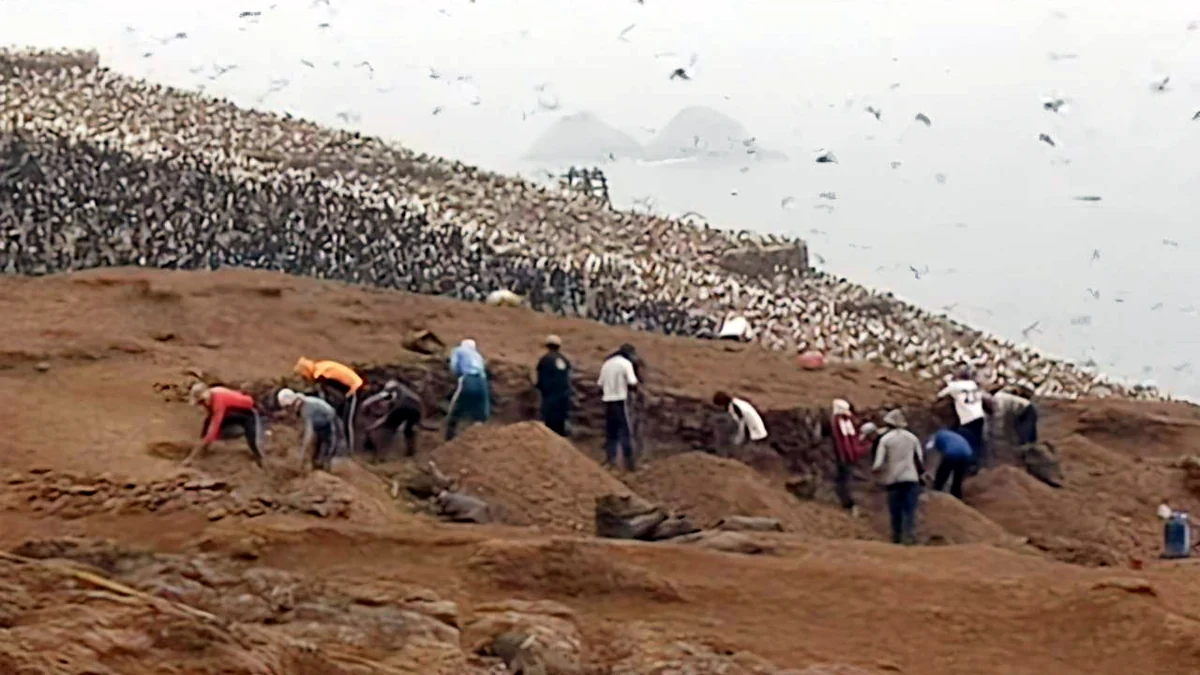
調達について尋ねてください。採掘は繁殖地でもある島で行われ、繁殖期外の採取が、再生可能な投入物と傷ついたコロニーの違いです。これは軟らかい質問ではありません。認証機関が監査し、その監査こそが、このカテゴリーと、かつてペルー貿易を終わらせた崩壊との間を隔てるものです。どの機関か、どの範囲か、証明書の有効期限がいつかを尋ねてください。
次に、2つの見積もりを比較する前に単位を確認してください。説明を求められる価格差の半分は、異なる国の文書でCaOの数値がCaの数値の隣にあることが原因であることが判明します。
もう1つ、見落としやすく、見落とすと高くつく質問があります。バッチが記載された範囲外になった場合にどうなるかを尋ねてください。実際の工程管理を持つサプライヤーは、ブレンド、拒否、または再交渉を含む答えを持っています。工程管理のないサプライヤーは、そんなことは決して起こらないと言うでしょう。これはこの業界で最も信憑性の低い文です。
次に、材料がどのように梱包され、どのくらいの期間置かれていたかを尋ねてください。微細な鉱物粉末は化学的に安定で物理的に脆弱です。湿気の多い倉庫で8ヶ月過ごしたロットは、同じ証明書と異なる取り扱い挙動で到着し、証明書はそれに言及しません。
価格比較について最後に一言。これらの会話のほとんどはここから始まります。2つのサプライヤー間のトン当たり価格は、グレード、リン酸塩ベース、認証範囲がすべて一致して初めて意味を持ちます。15%異なる2つの見積もりは、しばしば異なるメッシュサイズを引用しているか、一方が全リン酸で他方が有効リン酸で引用していることが判明します。まずその3つを揃えれば、価格差は消えるか、本物になるかのどちらかです。どちらの答えも、注文が出る前に得る価値があります。
Rutomは風化した海鳥のグアノを採掘・加工しています 微粉化粉末および粒状グレードで、 ECOCERTおよびCERESによって認証されています 有機投入材として。粒子サイズは2,500〜6,000メッシュ、粒状は基肥用に2〜4mmです。販売シートではなく特定ロットの分析値が必要な場合は、その旨をお申し付けください。読む価値があるのはその文書であり、購入に値するサプライヤーであれば催促されなくても送ってきます。
よくある質問
海鳥グアノはコウモリグアノと同じですか?
いいえ。海鳥グアノはリンとカルシウムが主体で、コウモリグアノは窒素が主体です。より大きな違いは熟成度です。現在販売されている海鳥グアノの大半は風化した岩石で、窒素は何世紀も前に失われています。そのため、同じ製品名でも袋の表記は0-11-0から12-12-2.5まで幅があります。
私の海鳥グアノが0-11-0と表示されているのに、別の袋が12-11-2と表示されているのはなぜですか?
それらは異なる原料だからです。0-11-0の製品は窒素が溶脱した風化堆積物です。12-11-2の製品はより新しいものです。どちらも海鳥グアノであり、両方の表示は正確です。
全リン酸と有効リン酸の違いは何ですか?
有効リン酸は、作物が当期に吸収できるリンであり、袋に印刷されている数値です。全リン酸には、鉱物中にまだ固定され、土壌生物によってゆっくりと放出される画分が含まれます。全リン酸が包装に表示されることはほとんどありません。
海鳥グアノは土壌pHを上げますか?
はい、カルシウム含有量によるためです。酸性土壌では効果があり、アルカリ性土壌では逆効果です。施用前に土壌検査を確認してください。
海鳥グアノは安全に取り扱えますか?
海鳥グアノには、コウモリグアノに関連するヒストプラズマ症のリスクはありません。微細な鉱物粉末には標準的な防塵対策が適用されます。
関連記事
- 血粉肥料:NPK 12-0-0、その製造方法と使用方法 — この資材が提供しない窒素源
- 中国の有機肥料サプライヤー:購入者のチェックリスト — 最初の注文前に確認すべきこと
海鳥グアノを調達していて、パンフレットではなくロットデータが必要ですか?
Rutom Bioは、ECOCERTおよびCERES認証の海鳥グアノを微粉砕粉末および粒状グレードで供給し、バッチ分析はリクエストに応じて提供します。
参考文献・出典
- エリザベス・C・ミラー図書館、ワシントン大学。 Safety of bat guano
- ルイジアナ州保健省、感染症疫学部門。 屋根裏および床下のコウモリグアノ (PDF)
- バット・コンサベーション・インターナショナル。 コウモリの糞の真実、2024年4月
- Bernhard, C. ら グアノ:海鳥の白い黄金、IntechOpen。第2章、グアノの分類
- SGS-CSTC Standards Technical Services Co., Ltd.、広州支社。試験報告書MCHGZ2500817-01A、2025年6月13日。方法AOAC 958.01-2005、AOAC 965.09-2005、AOAC 2006.03-2006。リクエストに応じて提供
- Guano Australia. グアノの国から:良い点、悪い点、醜い点
- 米国植物肥料規制官協会。 AAPFCO 製品ラベルガイド — 保証成分表示の順序とカルシウム・マグネシウムの元素基準




 English
  Spanish
  French
  Japanese
  Korean
  German
  Portuguese
  Italian
  Indonesian
  Vietnamese
  Turkish
  Persian
  Russian
  Chinese