
فهرست مطالب
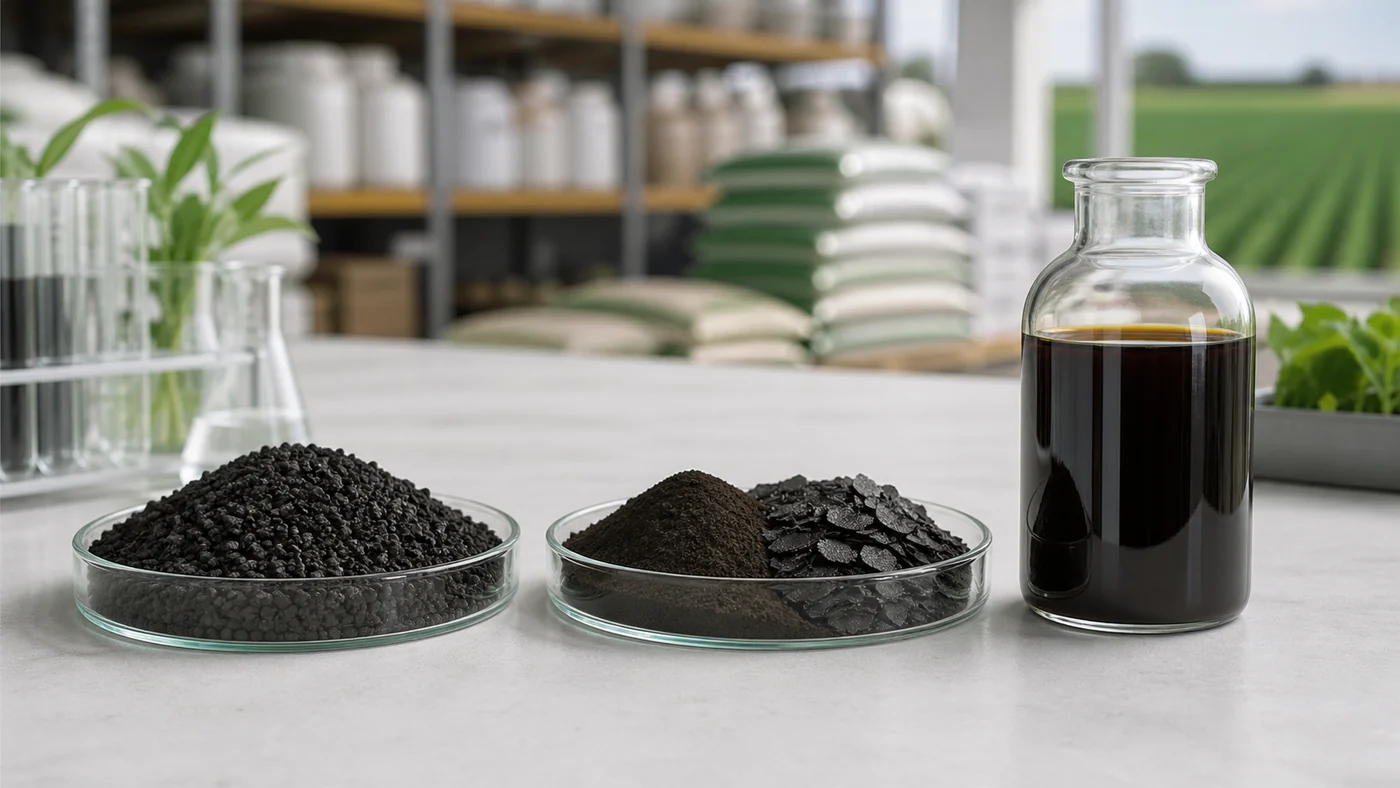
شکل، معیار کیفیت نیست. اسید هومیک دانهای، مایع و پودری میتواند از یک لئوناردیت واحد بهدست آید و حاوی همان هومیک فعال باشد؛ آنچه تغییر میکند نحوه حل شدن، نحوه کاربرد و برای هر کسی که آن را وارد میکند، میزان آبی است که برای حملونقل از آن سوی اقیانوس هزینه میکنید. اگر شکل اشتباه را بخرید، یا نمیتوانید آن را از طریق خط قطرهچکانی مشتریتان عبور دهید، یا برای حمل آب از آن سوی اقیانوس یک کانتینر هزینه حمل پرداخت میکنید.
این سه شکل وقتی دو پرسش را از هم جدا کنید بهخوبی مرتب میشوند: نحوهٔ کاربرد آن توسط پرورشدهنده و نحوهٔ انتقال آن به بندر. در ادامه: جدولی مقایسهای، محاسبات حملونقل که بیشتر راهنماها نادیده میگیرند، و قاعدهای برای تأمین کالا که هزینهٔ باربری را برای واردکنندگان حذف میکند.
اسید هومیک گرانولی در مقابل مایع در مقابل پودری: پاسخ کوتاه
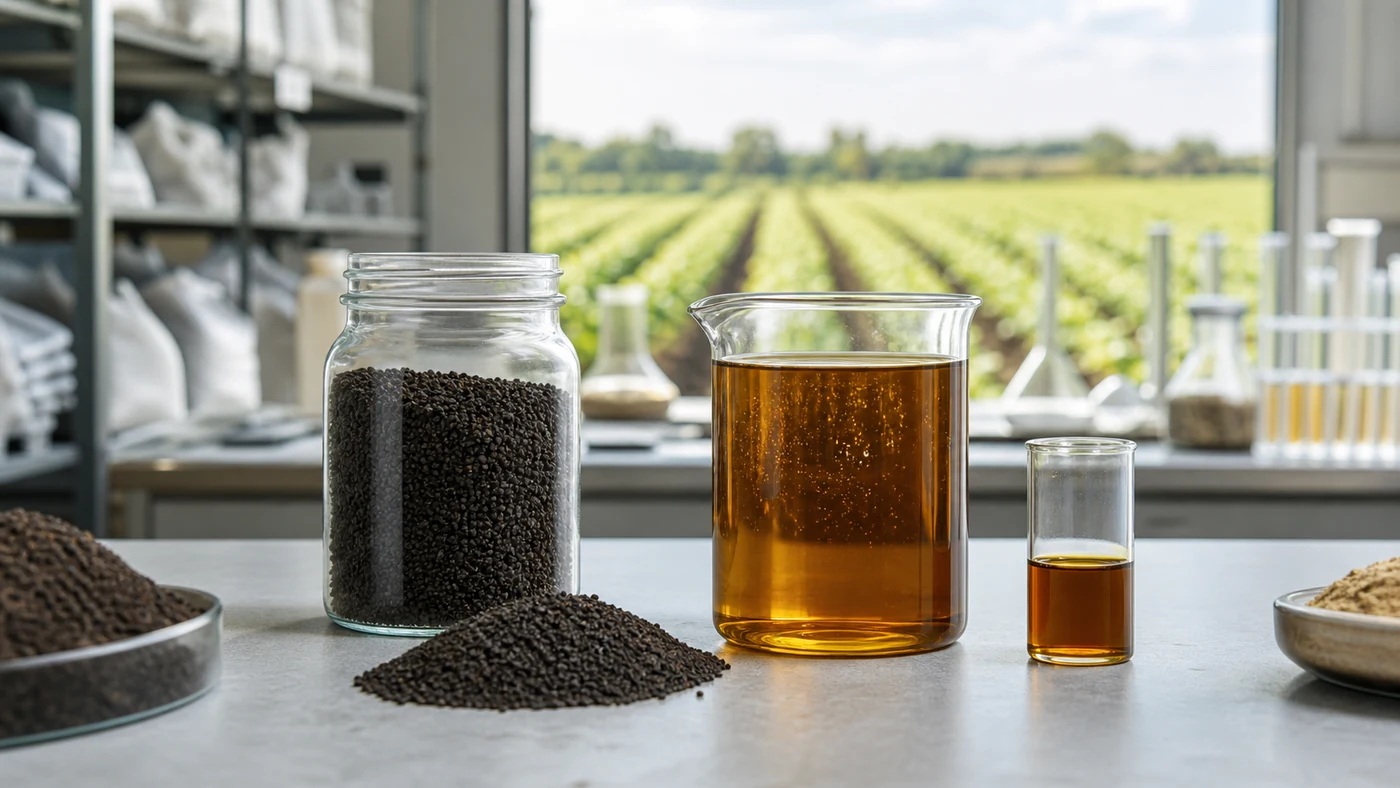
فرم را بر اساس کاربرد و حملونقل انتخاب کنید، نه بر اساس اینکه کدامیک قویتر به نظر میرسد. اسید هومیک دانهای، نوع آهسته و ارزان مخصوص خاک است؛ نوع مایع، سریع و آماده مصرف است که عمدتاً آب است؛ پودر و پرک محلول در آب در میان این دو قرار دارند، خشک و بسیار محلول. برای یک کشاورز، این تقسیمبندی سرعت در مقابل ماندگاری است. برای واردکننده، تقسیمبندی خشک در مقابل مرطوب است، زیرا اشکال خشک در هر تن، هومیک فعال بسیار بیشتری را حمل میکنند.
نسخهٔ کوتاه برای خریداران: مشتریانی که خاک و مخلوطسازی میکنند، نوع دانهای میخواهند؛ مشتریانی که آبیاری قطرهای و سمپاشی برگ انجام میدهند، نوع محلولپذیر میخواهند. و اگر از آن سوی اقیانوس وارد میکنید، پودر یا پرک محلولپذیر را بخرید و محلول مایع را نزدیک مشتری تهیه کنید، چون حمل محلول آماده یعنی حمل آب.
اسید هومیک مایع بهتر است یا گرانولی؟
هیچیک بهطور کلی بهتر نیست؛ هر یک وظایف متفاوتی دارند. مایع سریعتر عمل میکند و برای سمپاشی برگی و آبیاری تغذیهای مناسب است، اما عمدتاً از آب تشکیل شده و هزینهٔ بیشتری برای هر واحد مادهٔ فعال هومیک دارد. گرانولار ارزانتر است و مدت طولانیتری در خاک باقی میماند، اما فقط در محیطهای قلیایی محلول است و اثر آن کندتر است. پاسخ صادقانه این است که بستگی به روش کاربرد دارد، به همین دلیل بسیاری از توزیعکنندگان هر دو را موجود دارند.
سه فرم در یک نگاه
جدول سه شکل را در برابر خواصی که یک سفارش خرید را تعیین میکنند، نگاشت میکند. حلالیت و مقادیر هیومیک فعال برای گریدهای ما مشخصات محصولات منتشرشده ما هستند؛ اعداد دقیق را در گواهی آنالیز (COA) برای SKU مورد سفارش خود تأیید کنید.
| املاک | گرانولی | پودر / پرک (قابل حل) | مایع |
|---|---|---|---|
| حالت فیزیکی | گرانول خشک ۲–۴ میلیمتر | پودر یا پرک محلول در آب | محلول پایهٔ آب |
| محتوای آب | کم (~۲–۳۱TP3T رطوبت) | کم (~۱–۲۱TP3T رطوبت) | بالا (~۸۰–۹۰۱TP3T آب) |
| حلالیت | فقط محلول در قلیا (نوع خام) | 90–98% محلول در آب | از قبل در محلول |
| سرعت | آهسته، تمامفصل | سریعاً حلشدنی | سریعترین، فوری |
| کاربرد اصلی | پایهٔ خاک، مخلوطسازی NPK | قطره ای، کوددهی آبیاری، برگپاشی | برگی، قطرهای، آماده سمپاشی |
| هیومیک فعال به تن در هر محموله | بالا | بالاترین | حداقل (کرایه حمل آبی) |
| دستکاری | گرانول آسان با گرد و غبار کم | گرانول آسان با گرد و غبار کم | سنگینترین برای حمل و نگهداری |
| قیمت نسبی به ازای هر واحد فعال هیومیک | کم | متوسط | بالاترین |
مقادیر مرجع از مشخصات محصول منتشرشده ما؛ با COA زنده مطابقت دهید.
هر فرم در واقع چیست
این سه شکل، یک مادهٔ هومیک یکسان در حالات فیزیکی متفاوت هستند و هر حالت برای حل مشکلی متفاوت وجود دارد. درک اینکه هر یک چیست، انتخاب را آشکار میسازد.
اسید هومیک گرانولی
اسید هومیک گرانولی، درجهٔ خام و خشک خاک است. اسید هومیک ما گرانول اسید هومیک بهصورت گرانول سیاه–قهوهای ۲–۴ میلیمتری استخراجشده از لئوناردیت عرضه میشود و در زمین عمل میکند، نه در مخزن. این ماده تنها در محیطهای قلیایی محلول است، بنابراین در خط قطرهای خنثی بهطور کامل حل نمیشود و در طول یک فصل بهآرامی آزاد میشود. این آزادسازی آهسته یک ویژگی برای اصلاح خاک است و برای کسانی که به سرعت نیاز دارند، یک مشکل. شکل دانهای ارزانترین نوع به ازای هر تن است و برای مشتریان با زمینهای وسیع و مخلوطهای ترکیبی، از نظر حجم، مقرونبهصرفهترین گزینه است.
پودر و پرک (انواع محلول)
پودر محلول و پوکه محلول، گرید متوسط خشک و با حلالیت بالا هستند و برای اکثر خریداران B2B، این محصول اصلی و کارآمد محسوب میشود. اینها معمولاً هومات پتاسیم یا سدیم هستند که تصفیه شدهاند تا در هر pH در آب حل شوند. ما پتاسیم هومات ورقه ای 1-0-11 حدود ۵۶٫۵۱TP3T اسید هومیک در دمای ۹۸۱TP3T حلالیت دارد، و گرانول هومات پتاسیم ۰-۰-۶ یک گرید خشک قابل حل در 93% است. از آنجا که بهصورت خشک حمل میشوند، بیشترین مقدار هومیک فعال را در هر تن بار در خود دارند و سپس در مقصد به مایع تبدیل میشوند.
اسید هومیک مایع
اسید هومیک مایع یک هومات محلول است که از قبل در آب حل شده و آماده سمپاشی عرضه میشود. این راحتترین شکل برای مصرفکننده نهایی و سریعترین در عمل است، به همین دلیل کشاورزان آن را میپسندند. نکته در برچسب هر گالن نهفته است: معمولاً ۸۰–۹۰ درصد آب است. این سهولت واقعی است، اما همین موضوع باعث میشود شکل مایع گرانترین حالت به ازای هر واحد ماده مؤثر هومیک و نامناسبترین برای حملونقل طولانیمدت باشد.
یک نکتهٔ دیگر دربارهٔ مایعات که خریداران را هنگام مقایسهٔ قیمتها گیج میکند: درصد اسید هومیک آنها نوسان زیادی دارد. محصولات مایع بسته به میزان آبی که سازنده در آنها باقی گذاشته، از حدود ۵۱٪ تا ۲۰۱٪ اسید هومیک متغیر هستند، بنابراین دو مایع با قیمت یکسان برای هر گالن میتوانند از نظر مادهٔ فعال دو تا سه برابر با هم تفاوت داشته باشند. قدرت یک مایع تنها به میزان اسید هومیک آن در گواهی آنالیز (COA) بستگی دارد، و این میزان بین تأمینکنندگان بسیار بیشتر از یک گرید خشک نوسان میکند.
نکته کلیدی: مایع یک اسید هومیک قویتر نیست. این یک هومات محلول است که آب به آن اضافه شده و آب همان بخشی است که برای جابهجایی آن هزینه میپردازید.
پودر در مقابل پرک: آیا اندازه ذرات اهمیت دارد؟
فقط برای کار با مواد، نه برای کاربردهای شیمیایی. پودر محلول و پوکه محلول هر دو از یک ماده هومیت هستند که به اندازههای مختلف آسیاب شدهاند، بنابراین دارای یک هومیک فعال و یک کلاس محلولیت یکسان میباشند. نوع ورقهای معمولاً با تولید گرد و غبار کمتر در هوا حل میشود و بهصورت حجمی بهخوبی ریخته میشود، که وقتی کارگری تمام روز از کیسههای ۲۵ کیلوگرمی به مخزن مخلوطکن مواد اضافه میکند، اهمیت دارد. پودر کمی سریعتر حل میشود و در فرمولاسیونهای خشک بهطور یکنواختتری مخلوط میشود. برای جابجایی حجمی و تمیز، از نوع ورقهای و برای حل شدن سریع یا ترکیب خشک، از پودر استفاده کنید؛ در هر صورت اعداد گواهی آنالیز (COA) باید یکسان باشند.
جریمه حملونقل آبی: چرا واردات مایع هومیک به ندرت مقرونبهصرفه است
گرانترین اشتباهی که یک واردکننده در مورد اسید هومیک مرتکب میشود، رزرو کرایه حمل برای مایع است. آن را بنامید جریمه حملونقل آبی — هزینهٔ حمل آب از آن سوی اقیانوس وقتی میتوانید مادهٔ خشک را ارسال کنید و آب را در مقصد اضافه کنید. در مسیر چین تا بندر، این هزینه بهطور نامحسوس هزینهٔ نهایی فعال هومیک را که واقعاً کار را انجام میدهد، دو یا سه برابر میکند.
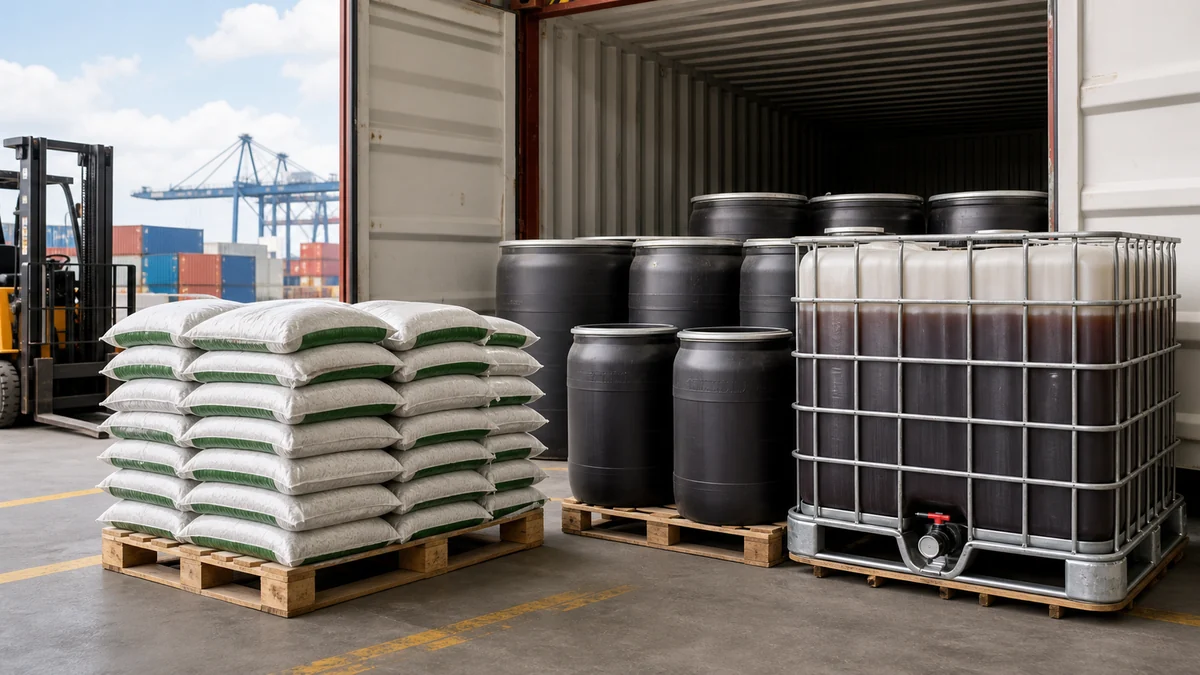
ریاضی ساده است وقتی هومیک فعال را بهجای تنهای ناخالص در نظر بگیرید. هومیک فعال در هر تن تقریباً برابر است با درصد اسید هومیک ضرب در (۱ منهای محتوای آب). یک پرکه محلول با حدود ۵۶۱ کیلوگرم بر تن اسید هیومیک و حدود ۱٫۵۱ کیلوگرم بر تن رطوبت، تقریباً ۵۵۰ کیلوگرم هیومیک فعال در هر تن ارسالشده دارد. یک مایع نهایی با اسید هیومیک معادل ۱۲۱ کیلوگرم بر تن، حدود ۱۲۰ کیلوگرم بر تن دارد، زیرا بقیه آن آب است.
برای جابجایی ۱۰ تن مادهٔ فعال هومیک، تقریباً ۱۸ تن پرکه در مقابل حدود ۸۳ تن مایع لازم است. شما چهار تا پنج برابر کرایه حمل، چهار تا پنج برابر عوارض و هزینههای انبارداری بسیار بیشتری را برای تحویل همان مادهٔ کاری ثبت میکنید. درصد واقعی اسید هومیک را از گواهی آنالیز (COA) تأمینکنندهٔ مایع خود وارد کنید؛ شکاف معمولاً به همان اندازه وسیع است.
قاعده تصمیمگیری: برای هر چیزی که از یک اقیانوس عبور میکند، شکل خشک آن را وارد کنید و مایع را نزدیک مشتری بازسازی کنید. آب را فقط در مایل آخر حمل کنید، هرگز در ده هزار مایل اول.
آیا میتوانید از پودر، اسید هومیک مایع تهیه کنید؟
بله، و برای واردکنندگان معمولاً این انتخاب هوشمندانهتری است. پودر یا ورقههای هومات پتاسیم محلول در آب در هر pH بهطور کامل حل میشوند، بنابراین توزیعکننده میتواند گرید خشک را وارد کند و نزدیک به مشتری مایع را با غلظتی که بازارش میخواهد مخلوط کند. این کار از جریمه حملونقل آبی جلوگیری میکند و یک SKU خشک میتواند هم تقاضای خشک و هم مایع را تأمین کند.
حلالیت و کاربرد: کدام فرم برای خاک، قطرهبرداری و محلولپاشی
کاربرد بیش از هر عامل دیگری شکل محصول را تعیین میکند و همهچیز به محلولپذیری برمیگردد. کشاورزی که محصول را در خاک میکارد و کشاورزی که آن را از طریق نازلهای قطرهای عبور میدهد، به درجات فیزیکی متفاوتی نیاز دارند و از ترکیب این دو است که سود حاصل میشود.
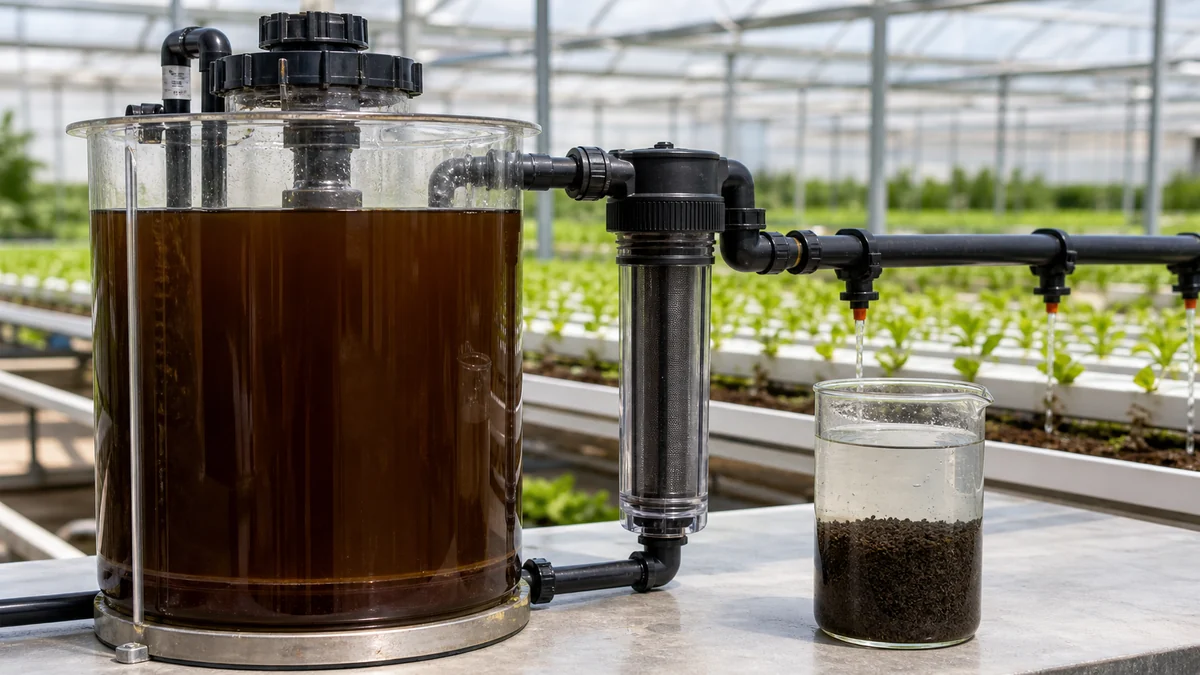
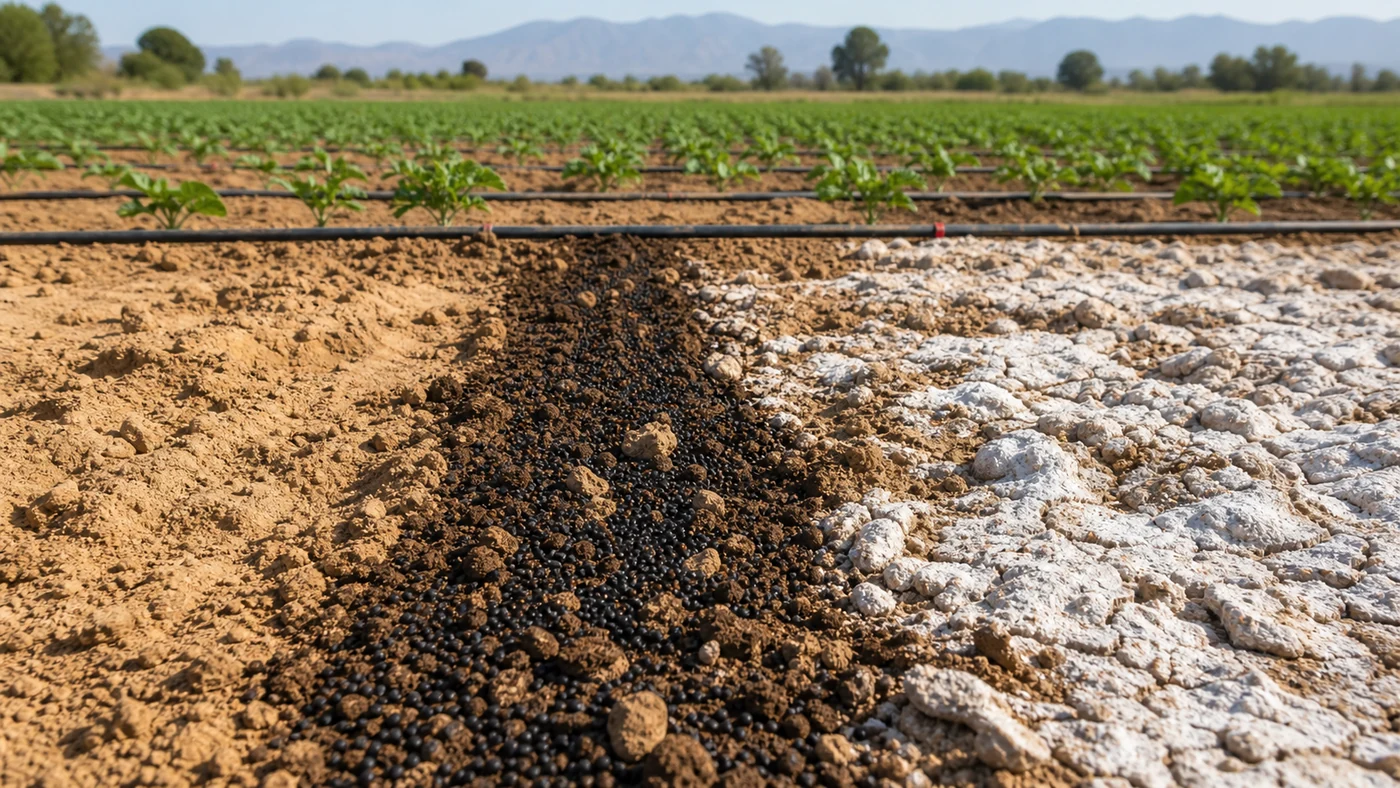
برای پوشش پایه خاک و ترکیب با کود مرکب NPK، استفاده از گرانول بهترین پاسخ است. نیازی به حل شدن ندارد؛ در طول فصل در خاک عمل میکند و ارزانترین روش انتقال اسید هومیک به مزرعه است. حلالیت در اینجا مزیتی ندارد، بنابراین پرداخت هزینه برای آن اتلاف است.
برای آبیاری قطرهای و کوددهی محلولی، درجه باید بدون باقیماندههای نامحلول که خروجیها را مسدود میکنند، حل شود. پودر محلول، پرکههای محلول یا مایع ساختهشده از آنها تنها انتخاب ایمن هستند. برای سمپاشی برگ، محدودیتها حتی سختگیرانهتر است، زیرا مواد غیرقابلحل برگها را میپوشانند و نازلها را مسدود میکنند، بنابراین گرانترین نوع با بالاترین قابلیت حل بودن، ارزش خود را دارد.
نرخ کاربرد نیز از این قاعده پیروی میکند، زیرا میزان ماده مؤثر هومیک در آنها بسیار متفاوت است. انواع محلولپذیر خشک بر اساس وزن دوزبندی میشوند، اغلب از کسری از درصد تا چند درصد در محلول کوددهی، بنابراین مقدار کمی از آن تأثیر زیادی دارد. مایع بر اساس حجم دوزبندی میشود و برای تأمین همان مقدار اسید هومیک فعال به محصول بیشتری نیاز دارد، که این یکی دیگر از دلایل بالاتر بودن هزینه آن به ازای هر هکتار تحتدرمان نسبت به قیمتی است که روی بطری درج شده است. صرفنظر از شکل آن، عدد معنادار، گرم «هیومیک فعال» است که به محصول میرسد، نه لیتر یا کیلوگرم محصول، بنابراین قبل از تعیین میزان مصرف یا مقایسه دو پیشفاکتور، هر دو را به «هیومیک فعال» تبدیل کنید.
آیا اسید هومیک دانهای در آب حل میشود؟
اسید هومیک دانهای خام در آب خنثی یا اسیدی بهطور کامل حل نمیشود؛ این ماده تنها در محیطهای قلیایی محلول است، بنابراین بخشی از آن تهنشین شده و میتواند شیلنگ قطرهای را مسدود کند. یک نوع دانهای محلول، یعنی هومات پتاسیم یا سدیم فشردهشده به شکل گرانول، حل میشود. اگر تأمینکنندهای گرانول را “محلول در آب” بنامد، بپرسید آیا اسید هومیک خام است یا نمک هومات، و رقم محلولیت را در گواهی آنالیز (COA) درخواست کنید.
یادداشت میدانی: واژه “قابل حل” روی یک گرانول، بدون ذکر نام نمک و درصد حلالیت در کنار آن، هیچ معنایی ندارد.
چه زمانی کدام را انتخاب کنیم
ابتدا فرم را با درخواست مشتری مطابقت دهید و سپس تصمیم دربارهٔ درجه اتخاذ میشود. این سه فرم در کتاب توزیعکننده مکمل یکدیگرند، نه رقیب برای یک جایگاه واحد.
| وضعیت خریدار | انتخاب کن |
|---|---|
| پوشش پایهٔ خاک، در سطح وسیع، ترکیب با NPK | دانهای (اسید هومیک خام) |
| قوانین هزینه به ازای هر تن و محلولیت لازم نیست. | گرانولی |
| آبیاری قطرهای یا کوددهی قطرهای، وارد کردن از آن سوی اقیانوس | پودر / پرک (پس از رسیدن، مایع کنید) |
| سمپاشی برگی، کممحلولهای غیرقابل حل بحرانی | پودر ورقی یا محلولپذیر، بالاترین حلالیت |
| راحتی استفاده آماده برای یک بازار نهایی نزدیک | مایع (منبع یا ساخت محلی) |
| یک SKU برای تأمین تقاضای خشک و مایع | پودر/پرک محلول |
انتخاب شکل محصول نیز در تیم خریدار متفاوت خوانده میشود. یک مدیر تدارکات هزینه حملونقل و انبارداری را میبیند و به سمت گرید خشک متمایل میشود. یک کارشناس زراعت مزرعه روش مصرف را میبیند و میپرسد آیا بهطور تمیز حل میشود. یک مدیر انبار بشکههایی را میبیند که یخ میزنند و فضای کفی که با وزن آب پر میشود. هر سه برای موجودی وارداتی به یک سمت اشاره میکنند، به همین دلیل گرید خشک فروش داخلی آسانتری است وقتی کسی اعداد را فراتر از خط FOB محاسبه کند.
برای یک توزیعکننده که خط تولید هیومیت راهاندازی میکند، پاسخ رایج یک گرانول ارزانقیمت برای مشتریان خاک و یک پودر محلول یا پرک برای همه کسانی است که به گرید آماده مصرف در تانک نیاز دارند. این دو تقریباً همه سفارشها را پوشش میدهند و پودر بهعنوان ماده اولیه هر مایع انتخابی برای ترکیب نیز عمل میکند. برای پرسش عمیقتر درباره اینکه کدام نمک پشت یک گرید محلول قرار دارد، راهنمای ما در اسید هومیک برای گیاهان جنبهٔ زراعت را پوشش میدهد.
راهکار واردات خشک: پودر بخرید، هنگام ورود مایع بسازید
اقدامی در تأمین کالا که یک واردکننده حرفهای را از یک واردکننده عادی متمایز میکند، امتناع از ارسال محصول مایع آماده است. نوع خشک محلول را خریداری کنید و در صورت تمایل بازار، مایع را نزدیک مشتری تهیه کنید. این تصمیم واحد، همزمان سه هزینه را تثبیت میکند.
هزینهٔ حملونقل کاهش مییابد، زیرا شما در حال جابهجایی مادهٔ فعال هیومیک بهجای آب هستید. هزینههای انبارداری و جابهجایی نیز کاهش مییابد، زیرا پرکهای خشک بستهبندیشده در کیسهها چیدمان متراکمتری دارند و مدت نگهداریشان طولانیتر از بشکههای محلول است. و انعطافپذیری افزایش مییابد، زیرا یک SKU خشک را میتوان بهصورت موجود به مشتریان خشککار فروخت یا در هر غلظتی که خریدار مایع تعیین کند، حل کرد. یک کانتینر از پرکههای محلول در مقصد به چندین مخزن مایع تبدیل میشود.
یک محدودیت هست که ارزش دارد صریح بیان شود. اگر بازار شما واقعاً محلی و کوچک است و راحتی یک پارچ آماده مصرف همان چیزی است که فروش را نهایی میکند، آنگاه یک مایع تأمینشده محلی یا مخلوط میتواند محصول مناسبی باشد. «جریمه حملونقل آب» استدلالی است علیه واردات مایع از آن سوی اقیانوس، نه علیه مایع بهعنوان یک فرم. قاعده تصمیمگیری: وارد خشک کنید، در مقصد مایعات را تعیین کنید.
انبارداری، عمر مفید و جابجایی: هزینه پنهان شکل
هزینه حمل تنها هزینهای نیست که با شکل تغییر میکند؛ هزینههای انبارداری و ماندگاری نیز تغییر میکنند و باز هم به نفع گریدهای خشک هستند. این بخشی از تصمیم است که راهنمای زراعی آن را نادیده میگیرد و توزیعکننده در انبار متوجه آن میشود.
ذرات خشک گرانولی، پودر و پرکها را میتوان در کیسههای ۲۵ کیلوگرمی کاملاً بسته تا دو سال یا بیشتر نگهداری کرد، آنها را بهطور فشرده روی پالتها چید و در برابر نوسانات دمایی مقاوماند. اما یک بشکه مایع ماجرایی دیگر است. محلولها ممکن است با گذشت زمان تهنشین یا لایهلایه شوند، پس از باز شدن سریعتر قابلیت استفاده خود را از دست میدهند و در آبوهوای سرد ممکن است یخ بزنند که هم به محصول و هم به ظرف آسیب میرساند. بشکهها و IBCها نیز در ازای هر واحد ماده فعال هومیک، فضای انبار بسیار بیشتری نسبت به گرانول خشک بستهبندیشده اشغال میکنند، زیرا بیشتر آنچه ذخیره میکنید آب است.
یک معاملهٔ دستکاری معکوس هم وجود دارد و صادقانه است که به آن اشاره کنیم. مایع نیازی به حل شدن ندارد، بنابراین مصرفکنندهٔ نهایی نزدیک میتواند آن را مستقیماً از بشکه اسپری کند، در حالی که نوع خشک باید قبل از عبور از مخزن در محلول مخلوط شود. این سهولت در نقطهٔ مصرف واقعی است. این راحتی در حملونقل اقیانوسی و نگهداری یکساله در انبار دوام نمیآورد، به همین دلیل این محصول به مرحلهٔ نهایی محلی تعلق دارد، نه به تصمیم واردات. یادداشت میدانی: هنگام مقایسه یک بشکه مایع با یک کیسه پرک، هزینه انبارداری و ماندگاری را نیز در نظر بگیرید، نه فقط قیمت FOB را.
چگونه کیفیت را از روی فرم تأیید کنیم
یک COA هیومیک بسته به شکل آن به شیوهای متفاوت خوانده میشود و دو سطر بیش از درصد عنوان اهمیت دارند. قبل از هر سفارش، این موارد را با گواهی تجزیه بهازای هر دسته بررسی کنید، نه با بروشور.
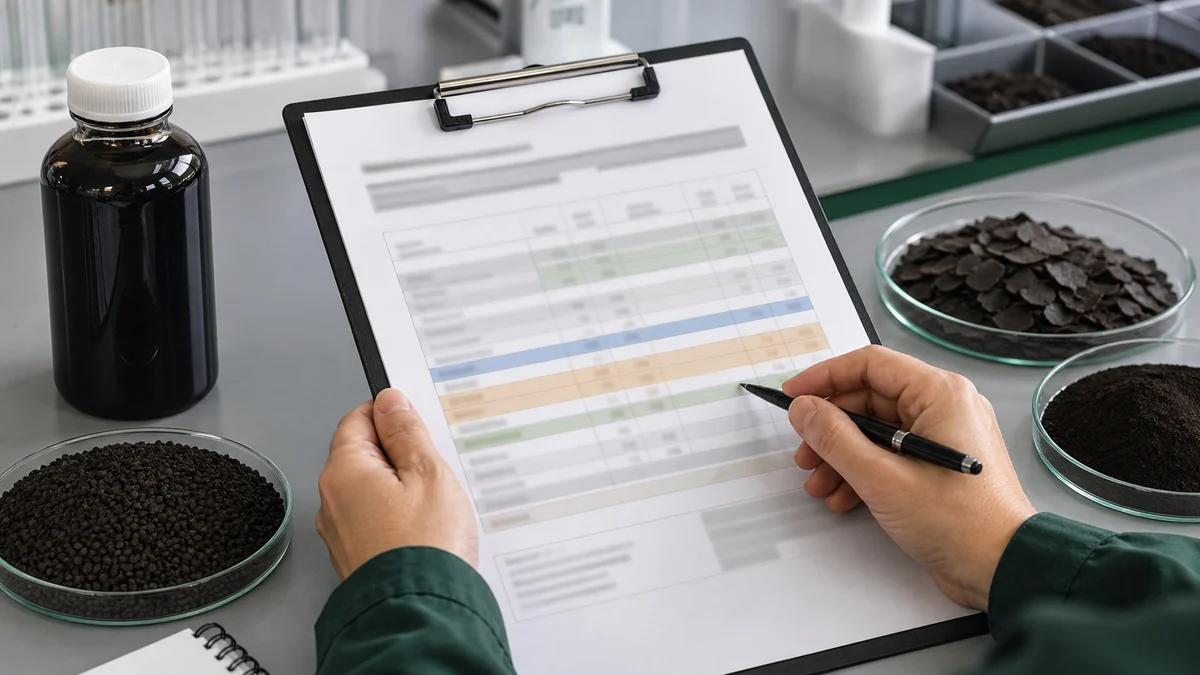
- اسید هومیک ۱TP3T همراه با روش آزمون ذکرشده. پردستکاریترین عدد؛ همان ماده با روشهای مختلف مقادیر بالا یا پایین میدهد، بنابراین قبل از مقایسه درصدها، مطمئن شوید روش در تمام نقلقولها یکسان است.
- محتوای آب یا رطوبت (بهویژه برای مایعات). این عدد نشان میدهد که چه مقدار از هر تن مادهٔ فعال است و چه مقدار آن آب است. برای مایع، این عدد تعیینکنندهٔ هزینهٔ واقعی شما به ازای هر واحد هومیک فعال است.
- قابل حل در آب و غیرقابل حل در آب (برای پودر، پرک و مایع). برای سمپاشی قطرهای و برگپاشی، این همان نکتهای است که فروش را تعیین میکند؛ عدد را بپرسید، نه واژه “قابل حل”.”
- K₂O (برای گریدهای هومات پتاسیم). تأیید میکند که گرید محلولپذیر یک نمک واقعی پتاسیم است، نه اسید هومیک خام که دوباره برچسبگذاری شده باشد.
- فلزات سنگین (آرسنیک، کادمیوم، سرب، جیوه). لئوناردیت زغالسنگ قهوهای است، بنابراین پنل را تأیید کنید و کادمیوم را مطابق مقررات (اتحادیه اروپا) 2019/1009 برای سفارشهای مقصد اتحادیه اروپا بررسی کنید.
نکته کلیدی: برای مایع، خط رطوبت معادل خط قیمت است؛ برای گرانول، خط حلالیت معادل خط تناسب برای استفاده است. موردی را که با شکل مطابقت دارد بخوانید.
یادداشتهای تأمین: کرایه حمل، بستهبندی و حداقل سفارش (MOQ) بر اساس فرم
پس از تثبیت فرم، پرسشهای تأمین همراستا میشوند، بهطوریکه هزینه حمل متغیری است که بیش از همه بسته به فرم تغییر میکند. دانههای خشک و پودر در کیسههای ۲۵ کیلوگرمی روی پالتها حمل میشوند تا بار یک کانتینر کامل؛ مایعات در بشکهها یا IBCها حمل میشوند و در تمام مسیر وزن آب خود را همراه دارند.
هر دو محصول هومیک خشک و مایع معمولاً تحت کد HS 3101 اظهار میشوند، اگرچه بسته به شکل و مقصد، طبقهبندی ممکن است به 3105 یا 3824 تغییر یابد و حقوق گمرکی بر اساس آن کد محاسبه میشود. ما کد اعلامشده در صادرات را ذکر میکنیم؛ کارگزار گمرکی شما نرخ واردات را تأیید میکند. بستهبندی با برند خصوصی و مخلوطهای سفارشی برای هر یک از سه شکل در صورت درخواست موجود است.
بستهبندی نیز شکل را تحت تأثیر قرار میدهد و تعیین میکند چه چیزی در یک کانتینر جا میگیرد. بار دانهای خشک و پوستهای بهصورت کیسههای ۲۵ کیلوگرمی روی پالتها بارگیری میشود، بنابراین یک کانتینر استاندارد نزدیک به حد وزن خود را از هومیک فعال حمل میکند. مایع در بشکه یا IBCها خیلی زودتر از حد مجاز وزنی به حد مجاز حجمی میرسد، چون بیشتر بار آب است، بنابراین در هر کانتینر کیلوگرم کمتری از هیومیک فعال حمل میکنید و بابت جابهجایی مابقی هزینه میپردازید. وقتی قیمت FOB هر تن را در انواع مختلف با هم مقایسه میکنید، ابتدا آن را بر اساس قیمت هر تن هیومیک فعال نرمالize کنید، وگرنه گریدهای خشک گرانتر از آنچه هستند به نظر خواهند رسید.
ماتریس کامل نمرهدهی، مشخصات سهسطحی و جزئیات هزینه تمامشده در اختیار ما قرار دارند. کود اسید هومیک صفحه تأمین، جایی که میتوانید گریدها را مقایسه کرده و پیش از نهایی کردن حملونقل، برای یک فرم خاص درخواست قیمتنامه کنید.
چشمانداز صنعت: چرا فرمهای خشک محلول همچنان در حال رشد هستند
ترکیب فرم به سمت گریدهای خشک محلول در حال تغییر است و دلیل آن ساختاری است نه فصلی. با گسترش آبیاری قطرهای و کوددهی محلول در سراسر باغبانی با ارزش بالا در بازارهای صادراتی خشک و ساحلی، تقاضا به سمت گریدهایی متمایل میشود که بهخوبی در یک مخزن حل میشوند. گرانول خام قادر به تأمین آن بخش نیست و مایع وارداتی با هزینه بالا آن را تأمین میکند. پودر و پلت محلول دقیقاً در این شکاف قرار دارند: آنها بهصورت خشک حمل میشوند و سپس در مقصد به مایع مورد نیاز برنامه کوددهی محلول تبدیل میشوند.
دو نیرو این تغییر را تقویت میکنند. بازرسی بار و عوارض هر سال حمل آب از یک اقیانوس را کمتر موجه میسازد، بنابراین خریداران بیشتری مایع را بهصورت محلی از گرید خشک وارداتی بازسازی میکنند تا اینکه برای انتقال آن در حالت نهایی هزینه کنند. در عین حال، گرانول خام جایگاه خود را در تقاضای اراضی وسیع و مخلوطهای ترکیبی حفظ میکند، بنابراین این موضوع بیشتر رقابت مایع در برابر خشک نیست، بلکه گریدهای خشک محلول در حال تصاحب سهم بخش تغذیهشده با تانکر هستند. یک توزیعکننده که موجودی خود را برای چند سال آینده برنامهریزی میکند، در مقایسه با پنج سال پیش، در حال انبار کردن مقادیر بیشتری از پرک و پودر محلول و واردات مقادیر کمتری از مایع آماده است. بخش محصولات محلول را متناسب با جایی که آبیاری به آن سمت میرود، نه جایی که قبلاً میرفته، تنظیم کنید.
نکتهٔ اصلی خریدار
- فرم یک تصمیم مربوط به درخواست و حملونقل است، نه یک تصمیم کیفی. همان هومیک فعال در هر سه وجود دارد.
- دانهای برای خاک و مخلوطکردن؛ پودر یا پرک محلول برای آبیاری قطرهای و محلولپاشی؛ مایع برای استفاده آماده.
- مقایسه را بر اساس هیومیک فعال به ازای هر تن انجام دهید، نه قیمت ناخالص. مایع ۸۰–۹۰ ۱TP3T آب است.
- برای هر چیزی که از اقیانوس عبور میکند، شکل خشک آن را وارد کنید و هنگام رسیدن آن را مایع کنید. این جریمهی حملونقل آبی است که از آن اجتناب میشود.
- خط COA را که با فرم مطابقت دارد بخوانید: رطوبت برای مایع، حلالیت برای گرانول و پودر.
سوالات متداول
کدام ارزانتر است، اسید هومیک گرانولی یا مایع؟
گرانولار بهازای هر تن و معمولاً بهازای هر واحد هیومیک فعال ارزانتر است، چون مایع ۸۰–۹۰ درصد آب دارد و شما بابت حمل و نگهداری آن آب هزینه میپردازید. مایع ممکن است همچنان برای بازار آماده مصرف نزدیک مناسب باشد، اما برای واردات از آن سوی اقیانوس، اشکال خشک مقدار بسیار بیشتری هومیک فعال را در هر تن بار حمل میکنند. بر اساس هزینه به ازای هر واحد هومیک فعال مقایسه کنید، نه بر اساس قیمت سطل یا کیسه.
آیا میتوانم از اسید هومیک گرانولی و مایع با هم استفاده کنم؟
بله، و بسیاری از برنامهها این کار را انجام میدهند. کشاورزان اغلب اسید هومیک دانهای را برای ساختار پایدار در تمام فصل به خاک میافزایند و از نوع محلول از طریق خط قطرهای یا بهصورت سمپاشی برگی برای جذب سریع استفاده میکنند. آنها برای اهداف مختلف به کار میروند، بنابراین ترکیب آنها بیشتر رایج است تا تکراری.
تفاوت بین پودر اسید هومیک و گرانول آن چیست؟
هر دو خشک هستند، اما پودر معمولاً یک هومیت تصفیهشده و بسیار محلول است که در هر پیاچ در آب حل میشود، در حالی که اسید هومیک گرانولی خام تنها در محیطهای قلیایی محلول است و در خاک عمل میکند. پودر برای آبیاری قطرهای، کوددهی محلولی و سمپاشی برگ مناسب است؛ گرانول برای کوددهی پایه در خاک مناسب است. درصد محلولیت و برای پودر، مقدار K₂O را روی گواهی آنالیز (COA) تأیید کنید.
چه مقدار اسید هومیک مایع معادل گرانول است؟
بسته به درصد هیومیک فعال هر یک دارد، به همین دلیل قبل از مقایسه به هیومیک فعال تبدیل میکنید. یک پرک خشک با حدود ۵۶۱ گرممعادل تریاتیلبنزوات اسید هومیک، به ازای هر کیلوگرم ماده فعال بسیار بیشتری نسبت به یک مایع با حدود ۱۲۱ گرممعادل تریاتیلبنزوات دارد، بنابراین مقدار کمی از پرک خشک میتواند حجم بسیار بیشتری از مایع را جایگزین کند. همیشه بر اساس درصد اسید هومیک و رطوبت در هر دو گواهی آنالیز عمل کنید.
آیا اسید هومیک پودری بهتر است یا اسید هومیک ورقی برای کوددهی آبیاری؟
هر دو برای کوددهی آبیاری مناسب هستند، مادامی که حلالیت بالا و مواد غیرقابل حل کم باشد؛ پرک و پودر محلول عملاً یک ماده با اندازههای ذرهای متفاوت هستند. پرک اغلب با گرد و غبار کمتر حل میشود و در حجم زیاد آسانتر جابهجا میشود، در حالی که پودر کمی سریعتر حل میشود. برای سیستمهای قطرهای، صرفنظر از انتخابتان، حتماً مقدار مواد نامحلول را در گواهی آنالیز (COA) بررسی کنید.
آیا اسید هومیک مایع در انبار خراب میشود؟
اسید هومیک مایع عمر مفید کوتاهتری نسبت به انواع خشک دارد و ممکن است در انبارداری سرد تهنشین، لایهلایه یا یخ بزند که این یکی دیگر از دلایلی است که واردکنندگان به انواع خشک گرایش دارند. انواع خشک گرانولی، پودری و پرک بستهبندیشده تا دو سال یا بیشتر قابل نگهداری هستند. اگر مایع را انبار میکنید، آن را بالاتر از نقطه انجماد نگه دارید، بشکههای بازشده را دوباره مهر و موم کنید و ظرف مدت زمان نگهداری اعلامشده توسط تأمینکننده از آن استفاده کنید. پیش از سفارش حجم زیاد، تاریخ انقضا را تأیید کنید.
— بازبینیشده توسط میز پشتیبانی فنی و تأمین بیولوژیکی روتوم
آخرین بهروزرسانی: ۲۰۲۶-۰۷-۲۰
مقالات مرتبط
- کود اسید هومیک: تأمینکننده، گریدها و تأمین عمده, ، صفحه قیمت — وقتی برای مقایسه نمرات و درخواست قیمت برای یک فرم خاص آماده بودید از این استفاده کنید.
- اسید هیومیک برای گیاهان, جنبهٔ زراعت — از این زمانی استفاده کنید که سؤال این است که اسید هومیک در خاک، محصول به محصول، چگونه رفتار میکند.
- پتاسیم هومات پرک ۱-۰-۱۱, ، بالاترین درجه محلولپذیر — از این زمانی استفاده کنید که مشتری به یک درجه خشک آماده برای استفاده در تانک برای آبیاری قطرهای یا سمپاشی برگ نیاز دارد.
- اسید هومیک در مقابل اسید فولویک, راهنمای انتخاب نسبت؛ قبل از انتخاب دانه، مایع، پودر یا درجه فولویک از آن استفاده کنید.
انتخاب فرم اسید هومیک برای بازار شما؟
کاربرد (خاکی، قطرهای یا محلولی)، فرم مورد نظرتان و حجم ماهیانهتان را به ما اطلاع دهید تا ظرف ۲۴ ساعت یک فرم پیشنهادی، یک پیشفاکتور FOB با تنظیم رطوبت و یک نمونه COA را برایتان ارسال کنیم.
درخواست توصیه فرم و قیمت FOB →
درباره این راهنما
بررسیشده توسط میز پشتیبانی فنی Rutom Bio. آخرین بهروزرسانی 2026-07-20. ارقام حلالیت و هیومیک فعال ذکرشده در اینجا مشخصات محصول منتشرشده خود ما هستند؛ محاسبات حملونقل بر اساس این ارقام و مفروضات استاندارد رطوبت انجام شده است، تا بتوانید اعداد خودتان را محاسبه کنید. ما هر سه شکل را تولید میکنیم، به همین دلیل این راهنما با جزئیات حملونقل و تأمین منابع شروع میشود که صفحات صرفاً زراعی آن را حذف میکنند. درصدهای مایع را بهعنوان محدودههای نماینده در نظر بگیرید و ارقام دقیق را با COA هر محموله برای SKU که سفارش میدهید تأیید کنید.
مراجع و منابع
- مادهٔ هومیک چیست؟ — انجمن بینالمللی مواد هومیک (تعریف و رفتار محلولپذیری در pH اسید هومیک).
- مقرره (اتحادیه اروپا) ۲۰۱۹/۱۰۱۰ — مقرره محصولات کودی اتحادیه اروپا (محدودیتهای فلزات سنگین و کادمیوم).
- شرکت روتوم بایو مشخصات محصولات را منتشر کرد — گرانول اسید هیومیک، گرانول هومات پتاسیم ۰-۰-۶ و دادههای مربوط به گرید ورقهای ۱-۰-۱۱.
دربارهٔ نویسنده: Rutom




 English
  Spanish
  French
  Japanese
  Korean
  German
  Portuguese
  Italian
  Indonesian
  Vietnamese
  Turkish
  Persian
  Russian
  Chinese