
table of contents
- Entendiendo los fertilizantes solubles en agua: Conceptos básicos
- Componentes clave: proporciones NPK
- Pros y contras de los fertilizantes solubles en agua
- Fertilizantes solubles en agua versus fertilizantes granulares: ¿cuál es mejor para usted?
- Cómo elegir el fertilizante soluble en agua adecuado
- Cómo utilizar correctamente los fertilizantes solubles en agua
- Conclusión
- Preguntas frecuentes sobre fertilizantes solubles en agua
Water-soluble fertilizer (WSF), as the name suggests, is a type of fertilizer that can be dissolved completely in water. This kind of fertilizer is generally applied to the root zone or plant leaves; that’s why it is also called “fast-acting fertilizer.” Unlike some granular fertilizers that release nutrients slowly, water-soluble fertilizers can give plants the nutrients they need right away. It is a fast and effective method to feed all the plants, like houseplants, vegetables, lawns, and commercial crops.
In this article, we can learn everything about the water-soluble fertilizer, including how it works and how to use it correctly.
Understanding Water-Soluble Fertilizer: Basic
Definition & How It Works
Water-soluble fertilizer is a kind of fertilizer that can be 100% dissolved in the water, forming a uniform solution, without any residue that can clog the irrigation system. The form of water-soluble fertilizer is typically a powder, liquid, or granule type that can be dissolved in water. Because it can be totally dissolved in water, it can be used for drip irrigation, sprinkler irrigation, and foliar application.
Once the water-soluble fertilizer is applied to the soil and leaves, plants can absorb these dissolved nutrients through the leaves or roots very quickly, which can provide a quick boost to plant growth like flowering and fruiting. It works like this:
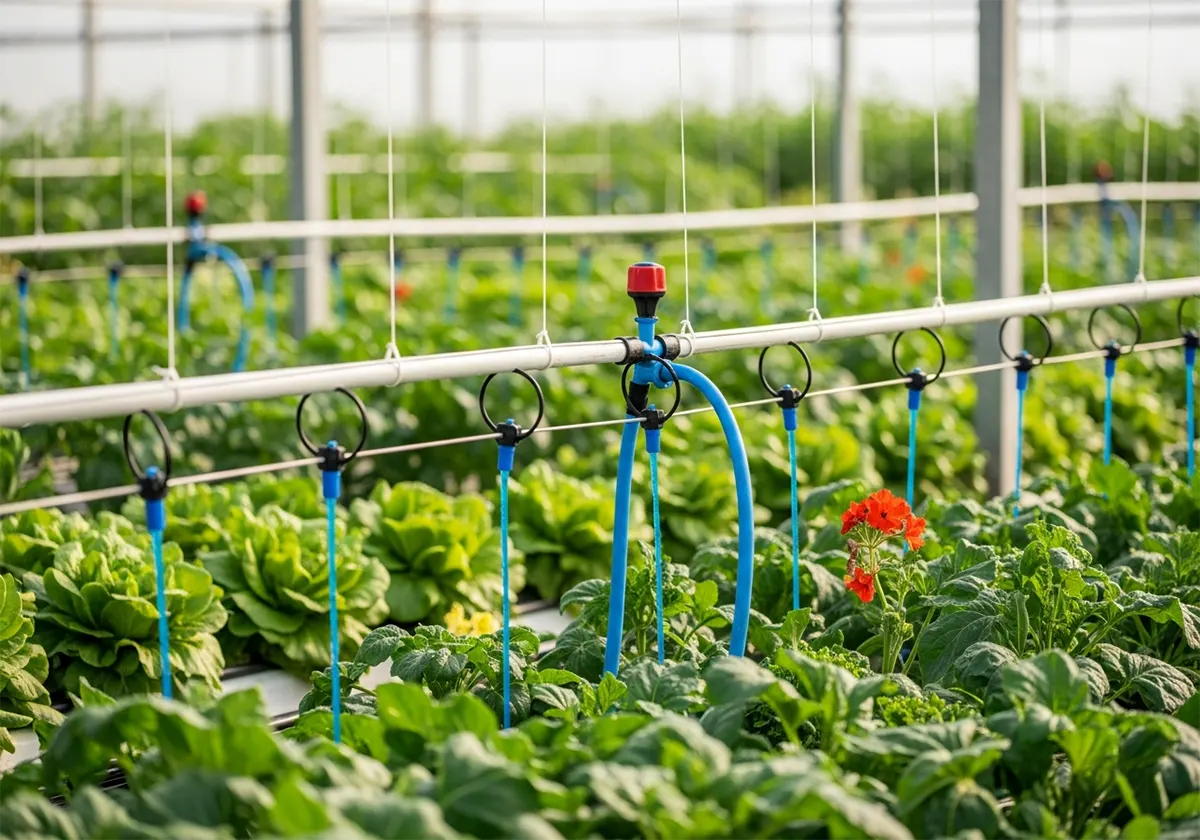
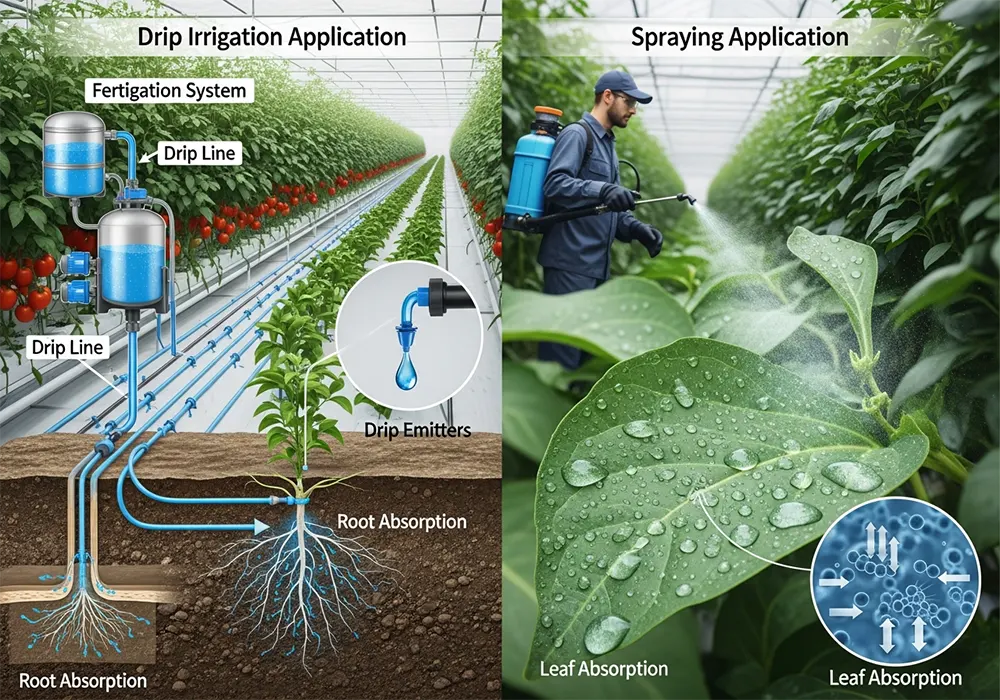
- Fertigation: Through the drip or micro-sprinkler irrigation system, water-soluble fertilizer can be transferred to plant roots. This is suitable for vegetable and fruit trees in large-scale farmland and greenhouses.
- Foliar Feeding: It means that we should spray the diluted WSF onto the plant leaves. This method can work very well if we need very fast speeds to boost our plants whenever they’re in different growth stages. We also can apply the water-soluble fertilizer to our plant leaves when our plants
- Base Fertilizer: Water-soluble fertilizers are often used for base fertilizers during seedling and transplant stages. If we apply the WSF in this stage, it will improve the plant roots and make them grow stronger.
Key Components: NPK Ratios
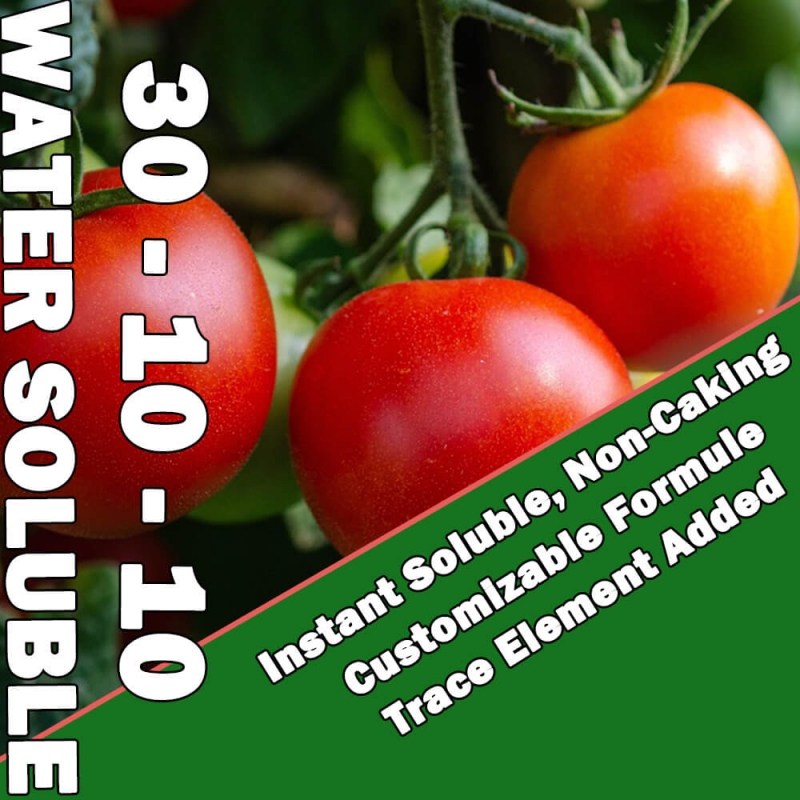
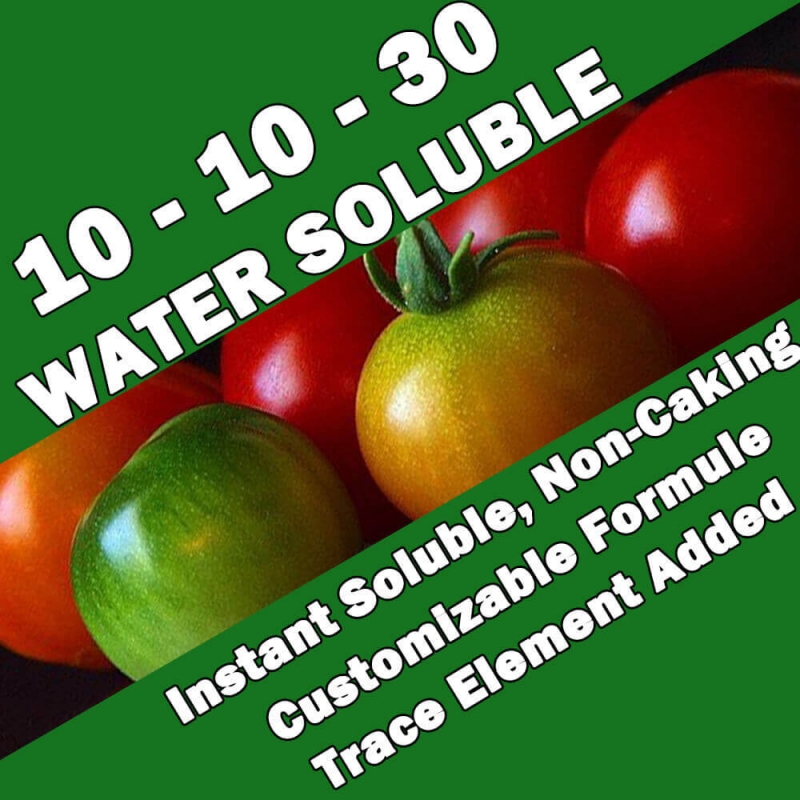
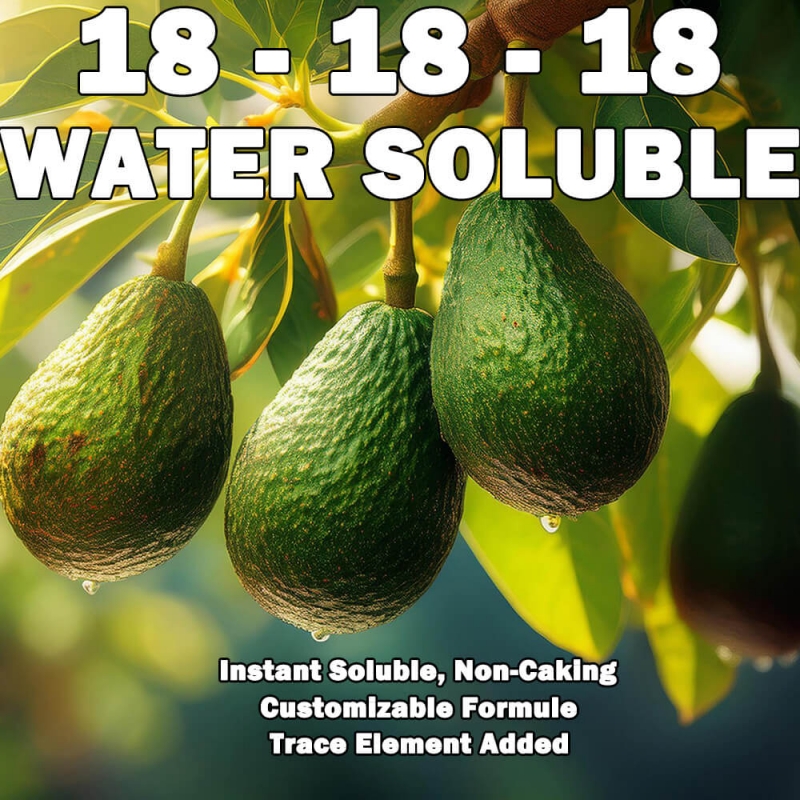
As we know, every fertilizer package will be printed with three numbers, such as 20-20-20, 30-10-10, and 10-5-10. This is the NPK ratio, standing for nutrients percentage.
- N (Nitrogen): It can help the plants grow leaves.
- P (Phosphorus): It can support strong root development, flowering, and fruiting.
- K (Potassium): It improves the health of the plants, improving their ability to fight against diseases.
Pros & Cons of Water-soluble Fertilizers
Main Advantages
- Fast Result: Using WSF will lead to a rapid result and can provide the nutrients for plants immediately.
- Ease of Use: Very simple for us to mix and apply.
- High Efficiency: It can help to exactly control our feeding time and strength, avoiding the waste.
- Multi-purpose: It can be applied for seedlings, container plants, hydroponics, and leaf feeding.
Main Disadvantages
- Frequent Application Required: Because WSF can be absorbed very fast, plants will need more frequent feeding compared to slow-release fertilizers.
- Risk of Burn: It is very easy to be too concentrated for beginners, and this will cause the roots to burn.
- Can Be More Costly: Because it needs regular application, which can cause higher long-term costs.
- Environmental Impact: Because it is a liquid type, it will easily run into water if not applied carefully.
Water-Soluble vs. Granular Fertilizers: Which Is Better for You?
There is no best choice for you, only a better choice based on your situation, such as your gardening goals, schedule, and plants. Here’s the comparison table below:
| Feature | Water-soluble fertilizer | Granular/Slow-Release Fertilizer |
|---|---|---|
| Release Speed | Immediate, quick-release | Slow, controlled release over weeks/months |
| Nutrient Duration | Short-term (1-2 weeks) | Long-term (several weeks to months) |
| Primary Use | Boosting growth, correcting deficiencies, feeding container plants | Ground maintenance, long-term soil enrichment, low-maintenance gardens |
| Application Control | High (precise mixing & timing) | Lower (applied less frequently) |
| Risk of Burn | Higher if mixed incorrectly | Generally lower |
| Best For | The attentive gardener, hydroponics, foliar feeding, seedlings | The busy gardener, lawns, landscape beds, trees & shrubs |
Choosing the Right Water-Soluble Fertilizer
The WSF is suitable for vegetables, flowers, lawns, and houseplants; here are the details for these different plants below:
- Vegetables: Vegetables such as tomatoes and peppers require higher potassium (K) and phosphorus (P), which will promote flowering and fruiting. Therefore, we recommend using an NPK ratio of either 10-10-10 or 5-10-10. If we need to fertilize the vegetables, like lettuce and celery, these leafy plants will require high nitrogen (N); we recommend using 10-5-5 or 12-0-1.
- Flowering Plants & Perennials: The better way to choose a “bloom booster” with a higher percentage of phosphorus (P), such as 15-30-15.
- Lawns: This can use a balanced or high nitrogen (N) formula (e.g., 20-0-0 or 30-3-10) for green-up in spring or early summer.
- Houseplants & Foliage Plants: These plants can use a balanced ratio like 20-20-20, or a little higher nitrogen (N).
Chemical vs. Organic Water-soluble fertilizer
- Chemical WSFs: These are made from chemicals and give you the right nutrients right away
- Organic WSFs: These are made from things that come from nature, like seaweed (kelp), fish emulsion, or compost teas, which are not only providing the nutrients but also supplying the beneficial microbes. They are a very good choice for us organic gardeners.
How to Use Water-Soluble Fertilizer Correctly
Basic Mixing & Dilution
When we begin to use WSFs, we’d better read the product label and instructions, because different manufacturers will design different usages. It will be decided by the brands, plant type, and growth stages. So we should follow the factory instructions strictly, measuring the fertilizer by using a scale, measuring spoon, or scoop to make sure that we use the correct amount.
Firstly, put the right amount of water into the mixing container, and slowly add the fertilizer while stirring. Then, after the fertilizer is completely dissolved. About how much we should add of the fertilizers, I think we should avoid adding fertilizer by our “experience.” Because over-concentration will cause the plant roots to burn, while under-dosing will not work for our plants.
Application Methods: Soil Drench, Foliar Spray, and Fertigation
- Soil Drench: It is a nutrient solution that needs a watering can, hose-end feeders, or drip lines to pour or inject into the soil around the plant root zone. This kind of method can be widely used for potted plants, trees, shrubs, and lawns.
- Foliar Spray: Foliar feeding needs us to spray the diluted liquid to the leaves by using a sprayer. The water-soluble fertilizer can be absorbed rapidly; this method is very suitable for the plants that need a quick boost.
- Fertigation: Fertigation is the process of adding water-soluble fertilizer to an irrigation system, like a drip, micro-sprinkler, or pivot system. This method cuts down on work, makes things more even, and lets you feed plants often in small amounts that are just right for their needs.
Feeding Frequency & Timing
If we want to know how often we should use water-soluble fertilizer, we should consider the plant type, environment, and fertilizer strength. Many indoor potted plants prefer feeding every one or two weeks, while lawns and high-nutrient-demand plants will require more frequent application with lower doses.
And when to apply is also very important. We should feed the plant after transplanting, at the time of early vegetative growth, flowering, and fruiting; it often can work well. Under the cold conditions or some other stressed situation, we should reduce the application frequency and the fertilizer concentration.
Conclusion
Water-soluble fertilizer is a kind of high-efficiency, multi-function solution for farming; it can deliver the nutrients to plants quickly and precisely. And it is suitable for greenhouses, potted plants, and large-scale agriculture. So we should choose the correct WSFs for our plants based on our different situations. After our correct use of WSFs, we can maximize our plant growth and minimize nutrient waste, and finally, we can get a harvest with low cost.
FAQs About Water-soluble Fertilizers
1. Can I use fertilizer that dissolves in water every time I water?
A weak solution applied at every or every other watering during active growth can work well for many container plants, but the concentration must be lowered. Always read the label and watch how your plants react.
2. Is it okay to use fertilizer that dissolves in water on indoor plants?
Yes, indoor plants usually do better when they get regular, gentle feedings with a balanced water-soluble fertilizer, especially in the spring and summer. If it’s dark or cool outside, cut back on feeding or stop altogether to keep growth from getting too fast.
3. Is it okay to mix water-soluble fertilizer with other things?
Some things, like some pesticides or supplements, can be mixed in a tank, but others may not work together. If you’re not sure how to mix something, read the label and do a small jar test. Never mix things that the label says must be applied separately.
4. How long will fertilizer that can dissolve in water last?
Most of the time, fresh solutions work best and stay stable when used right away or within a few days. Over time, mixed solutions can form crystals, lose oxygen, or grow microbes, so don’t keep them for long, especially in warm places.
5. Can water-soluble fertilizer that dissolves in water hurt plants?
Yes, if you use too much water-soluble fertilizer or put it on plants that are already stressed, it can hurt their roots, scorch their leaves, or cause salt stress. If you think there is damage, flush the soil with clean water and feed it less in the future.

 English
  Spanish
  Japanese
  Korean
  German
  Portuguese
  Italian
  Indonesian
  Vietnamese
  Turkish
  Persian
  Russian
  Chinese