
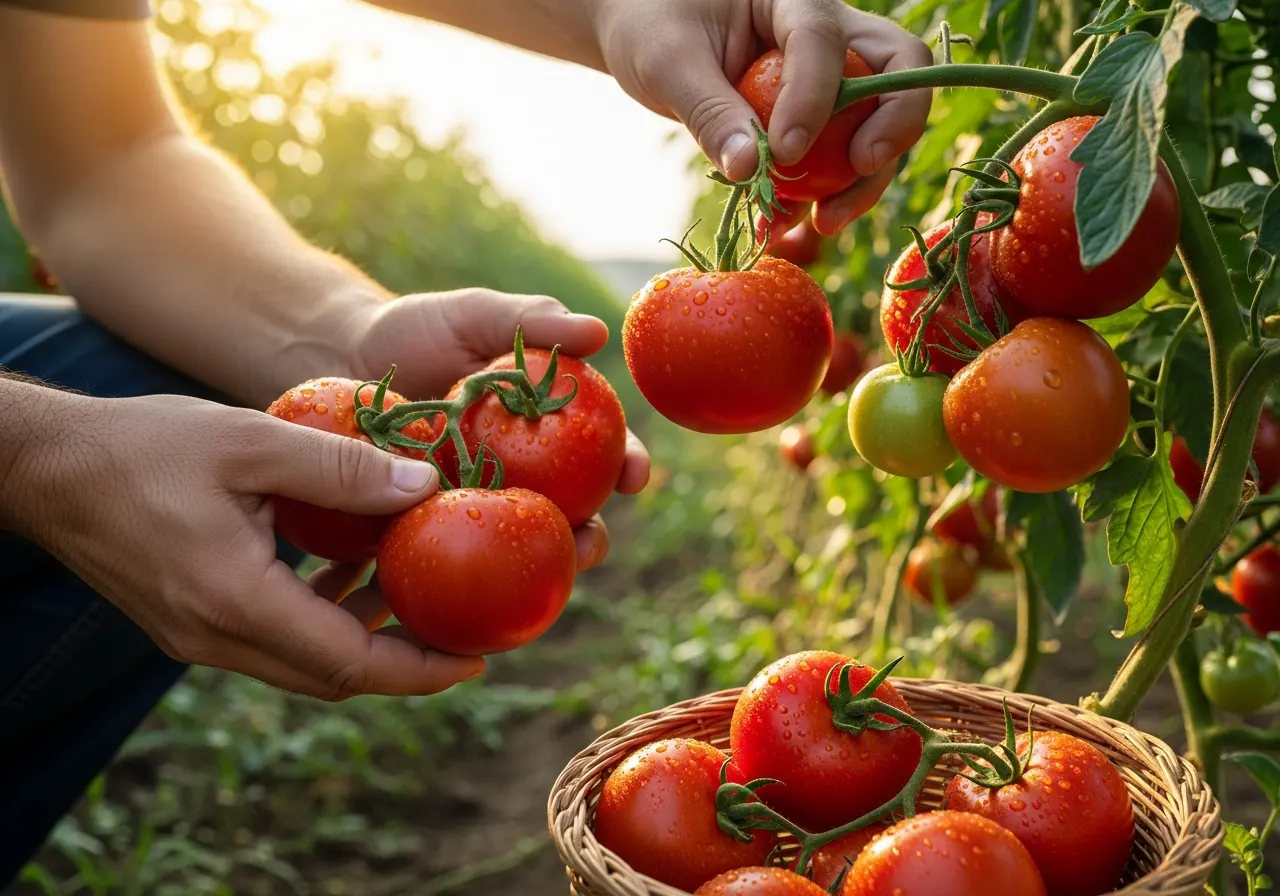
There is a brightly colored fruit with many uses. It can be cooked as a vegetable or eaten fresh like a fruit. What is the first thing that comes to your mind?
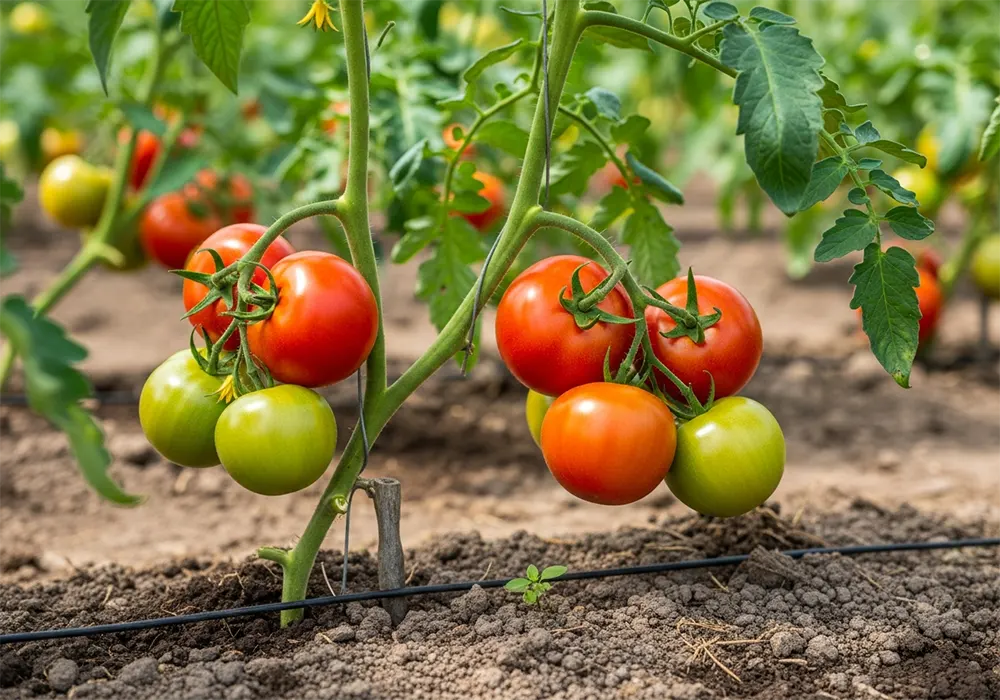
Tomatoes are one of the most frequently used plants on our dining tables. Whether for cooking steaks, making burgers and sandwiches, or preparing salads, tomatoes are almost always involved. Tomatoes have strong adaptability and are very suitable for home growing. Even with little planting experience, you can still harvest plenty of fruit. From flowering to fruiting, the changes are clear and easy to manage, and plants can continuously provide fresh tomatoes to meet daily needs. Tomatoes are also a high-frequency consumer vegetable, with long-term demand in both fresh and processed markets such as sauces, juices, and canned products. With stable market demand, high yield per unit area, and a reliable input–output ratio, tomatoes are well suited for large-scale cultivation. Whether for home gardening or commercial production, tomatoes are an excellent choice.
Quick Guide to Growing Tomatoes
- Choose loose, well-aerated soil with good drainage, such as sandy loam or loam.
- Adjust soil pH to 6.0–6.8 before planting to improve nutrient uptake.
- Tomatoes prefer warm conditions and dislike extreme temperatures.
- Provide 6–8 hours of direct sunlight daily to promote healthy growth.
- During hot, intense sunlight, provide adequate shade and ensure good ventilation.
- Follow the rule “water when dry, water thoroughly,” avoiding frequent light watering.
- Maintain stable soil moisture during the flowering and fruiting stages to prevent flower drop.
- Apply well-rotted organic fertilizer as a base to improve soil structure.
- Use light nitrogen in early growth, then reduce nitrogen and increase phosphorus and potassium during flowering and fruiting.
- Supplement calcium, magnesium, and boron in time to improve fruit quality.
- Harvest fruits at 70–80% maturity to enhance flavor and encourage continuous production.
Soil, Planting, and Care

Loose, well-aerated soil with good drainage is ideal for growing tomatoes. Sandy loam or loam is recommended, as it has more pores and a higher oxygen content, allowing roots to breathe freely and grow faster. Tomatoes are deep-rooted crops with a relatively high oxygen demand. Sandy loam does not retain excess water after rain or irrigation, which helps reduce the risk of root rot and fusarium wilt.
Before planting, adjust the soil pH to 6.0–6.8. You should maintain the soil from slightly acidic to neutral. Within this range, the tomato can absorb nitrogen, phosphorus, potassium, and secondary and micronutrients, such as calcium, magnesium, and iron, most efficiently. If the soil is too acidic, root growth may be inhibited, and the uptake of calcium and magnesium may be reduced, which can increase the risk of blossom-end rot. When soil pH exceeds 7.5, tomatoes have difficulty absorbing iron, zinc, and manganese, which can negatively affect flowering and fruit set. Before planting, the soil’s pH level needs to be tested. If the soil is acidic, apply a small amount of lime or dolomite; if alkaline, use humic-acid-based soil conditioners and irrigate with slightly acidic water, such as diluted organic acids.
Tomatoes are plants that thrive in warm, sunny conditions and are very sensitive to extreme environmental conditions. Stable temperatures and sufficient light are essential for their healthy growth. Adequate light enhances photosynthesis, which helps the tomato grow stronger and reduce legginess. It also promotes flower bud differentiation, improves flowering and fruit set, and allows fruits to accumulate more sugars. Tomatoes develop a brighter color and better flavor with lower disease incidence. In general, tomatoes require 6–8 hours of direct sunlight per day. When temperatures are too high, provide adequate shade.
When watering, follow the principle of “water thoroughly when the soil is dry,” avoiding overwatering and underwatering. Keep the soil slightly moist during the seedling stage to promote root development. Keep stable soil moisture during the flowering and fruiting periods to prevent flower and fruit drop. Water demand increases during fruit enlargement, but waterlogging must be avoided. During the ripening stage, moderate water control helps improve sweetness and reduce fruit cracking. In the early morning or late afternoon, apply water to the root zone rather than the foliage, and ensure good drainage.
When fertilizing, use organic fertilizers as the base, and apply nitrogen, phosphorus, and potassium in a balanced manner. During the flowering and fruiting stages, increase the application of phosphorus and potassium fertilizers, and supplement with sufficient trace elements to achieve stable yields and high quality. Before planting, apply well-decomposed organic fertilizer or compost to improve soil structure and water- and nutrient-holding capacity, which can provide long-term nutrition for root growth. In the early growth stage, apply moderate nitrogen to promote healthy leaf and stem development. Excessive use can cause the plant to grow excessively tall and negatively affect flowering. During flowering and fruit set, increase phosphorus and potassium to enhance flower bud differentiation, fruit set, fruit enlargement, and coloration. Tomatoes also require calcium, magnesium, and boron, these elements prevent blossom-end rot and improves fruit quality. Fertilize in small, frequent applications, preferably combined with irrigation, and avoid overly concentrated or undecomposed fertilizers. During fertilization, Rutom Black Gold Amino Acid 12-0-1 Granule, Soluble Fertilizer can be used.
Troubleshooting
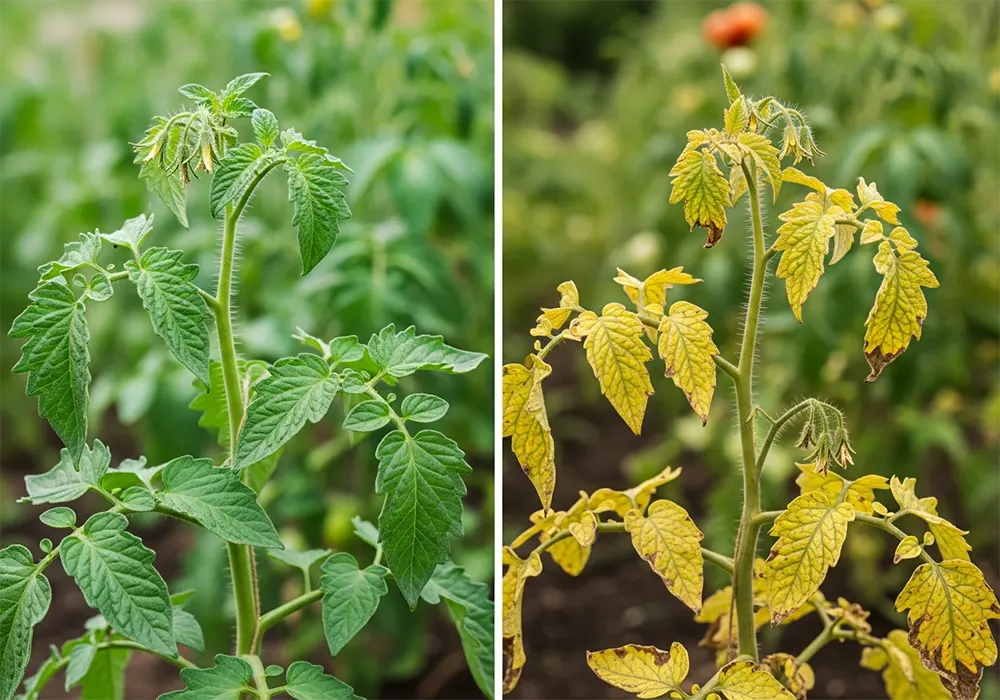
During tomato cultivation, some common problems may occur, such as excessive vegetative growth (legginess), yellowing leaves, flower and fruit drop, fruit cracking, and pests and diseases. Leggy growth is often caused by excessive nitrogen fertilization or insufficient light. You can correct this by reducing nitrogen and increasing phosphorus and potassium. Yellowing leaves and slow growth are usually related to waterlogging, compacted soil, or nutrient deficiency and can be improved by better drainage and proper fertilization. Flower and fruit drop is commonly caused by temperature fluctuations, unstable soil moisture, or deficiencies of boron and potassium. You can stabilize the growing environment and supplement nutrients to solve this problem. Maintaining consistent moisture and supplying calcium can prevent fruit cracking and blossom-end rot.
Harvesting and Storage
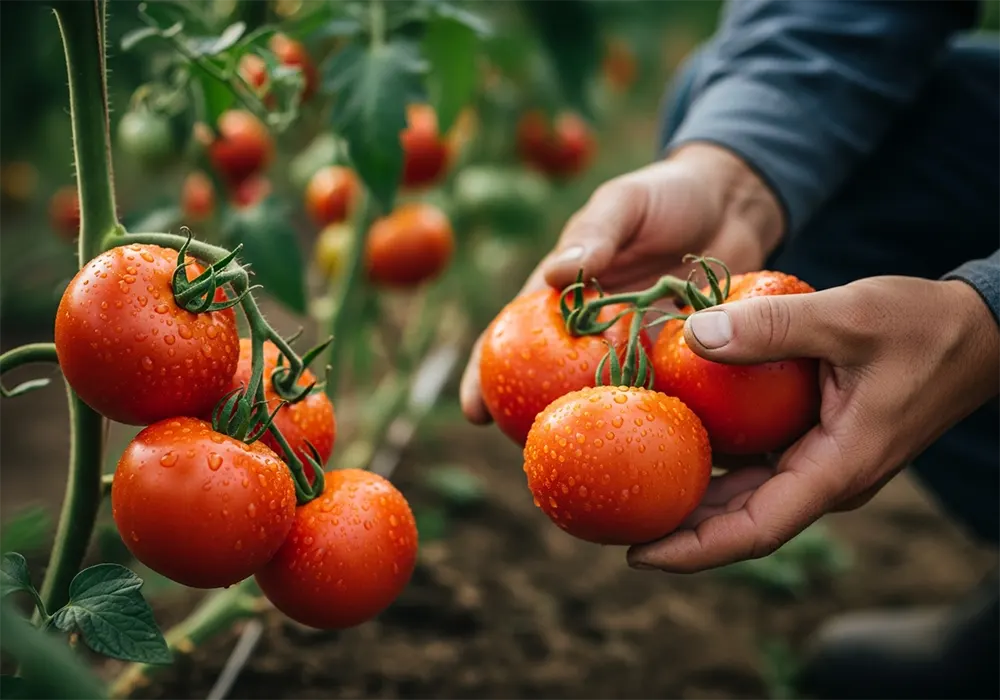
Tomatoes are best harvested when the fruits turn from green to red and reach about 70%–80% coloration, as they have good flavor and better tolerance for storage and transport at this stage. Harvesting is best done in the early morning or late afternoon. Gently twist the fruit off by hand or use scissors to cut the stem. Pulling may damage the tomato skin. Fully ripe fruits should be harvested promptly to encourage continued fruit production.
When storing tomatoes for a short period, they should be kept in a cool, well-ventilated place or at room temperature, away from direct sunlight. Tomatoes that are not fully ripe can ripen naturally at room temperature. Fully ripe tomatoes are not recommended for long-term refrigeration, as low temperatures can negatively affect flavor. If stored at a temperature of 10–13°C (50–55°F), it is recommended to consume them within 3–5 days. During storage, avoid squeezing the fruit and do not store them with damaged tomatoes.
How to Use Tomatoes
Tomatoes can be fruits or vegetables. They could be eaten fresh, cooked, or processed. If you consume them directly or add them to salads, tomatoes offer a refreshing taste while retaining the maximum amount of vitamin C and water-soluble nutrients. If you want to store tomatoes for a long time, you can process them into tomato sauce, tomato paste, tomato juice, or sun-dried tomatoes. They can also be chopped and frozen for later use in cooking. By choosing the appropriate method of use based on the degree of ripeness and intended purpose, you can maximize the nutritional and flavor value of tomatoes. Whether eaten fresh or processed, tomatoes offer different tastes and are an indispensable part of our meals.

 English
  Spanish
  Japanese
  Korean
  German
  Portuguese
  Italian
  Indonesian
  Vietnamese
  Turkish
  Persian
  Russian
  Chinese