
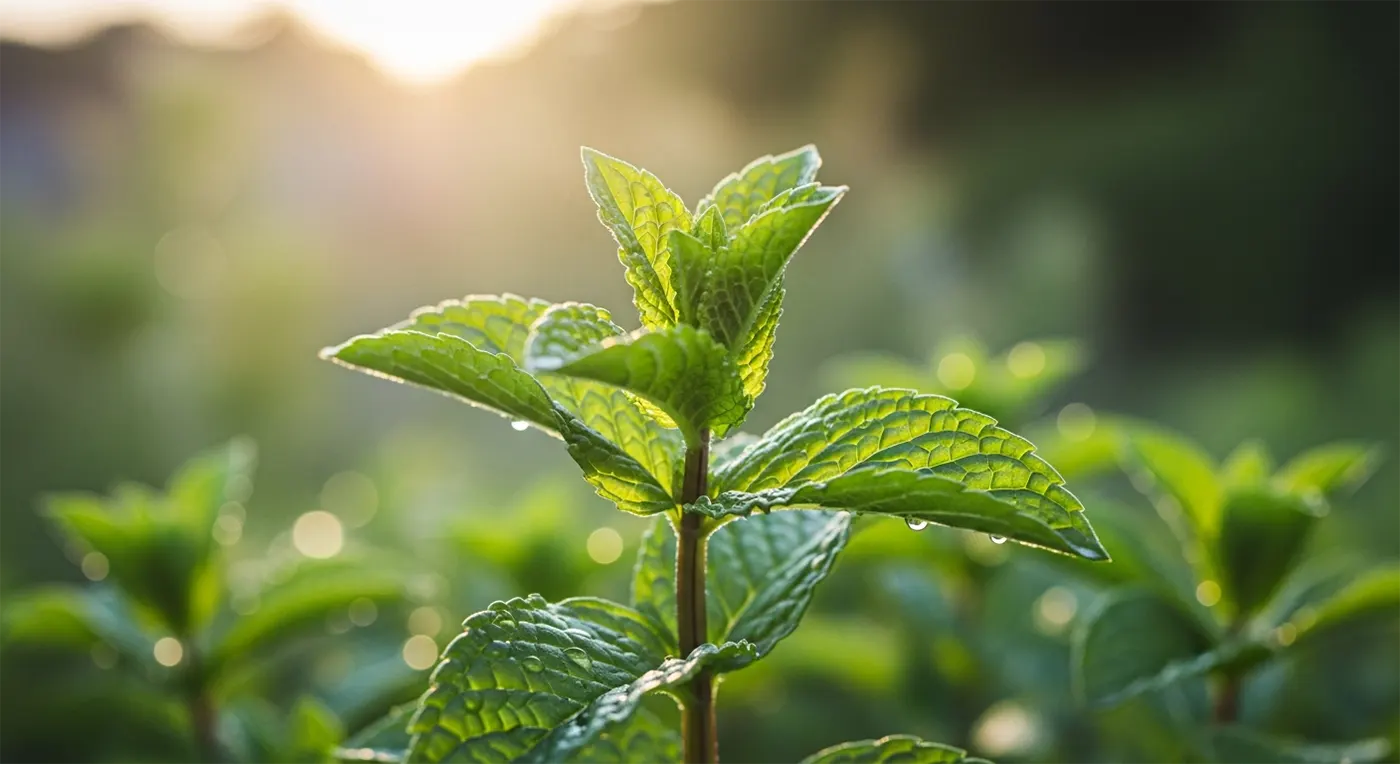
Mint is one of the indispensable herbs in our lives, boasting a remarkably wide range of applications. In daily life, it serves purposes ranging from culinary use to health and wellness care. Fresh mint leaves make an excellent accompaniment to lamb, fish, and poultry, as well as vegetables such as peas, new potatoes, and carrots. Mint is also a delightful addition to vegetable or fruit salads, as well as beverages like punch, lemonade, and tea. Two highly renowned drinks—the Mint Julep and the Cuban Mojito—both owe their refreshing character to the use of spearmint. Fresh mint can also be dried and preserved for brewing mint tea.
Variety Selection
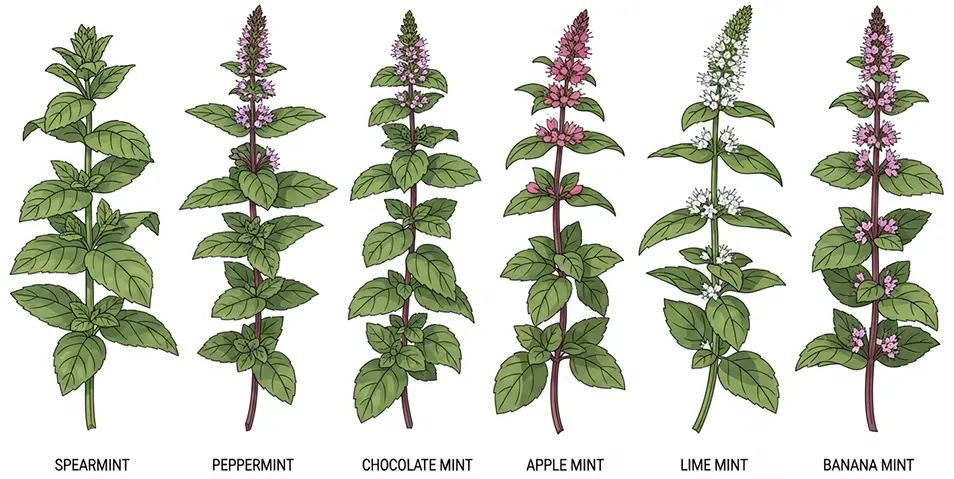
The genus *Mentha* encompasses a wide variety of species; traditional varieties include spearmint (*Mentha spicata*) and peppermint (*Mentha × piperita*), but many other flavors exist—such as lime mint, chocolate mint, apple mint, and banana mint. Different mint varieties also vary in appearance and aroma; their leaves range in size and texture—some are downy, others smooth or crinkled—and may feature purple or other distinct colorations. The flower spikes of mint plants appear in shades of purple, pink, or white and vary in height, just as the overall size and growth habits of the plants themselves differ. The *Mentha* genus is thought to encompass roughly 25 different species, plus a host of hybrids and cultivars. Not every mint, though, is meant for the kitchen. Some varieties are prized for their medicinal properties or decorative appeal, but their taste might be less than pleasant. For this very reason, it is a wise move to purchase from trustworthy sources, ensuring that the plant varieties you acquire are accurately identified and suitable for your intended use.
Soil Preparation
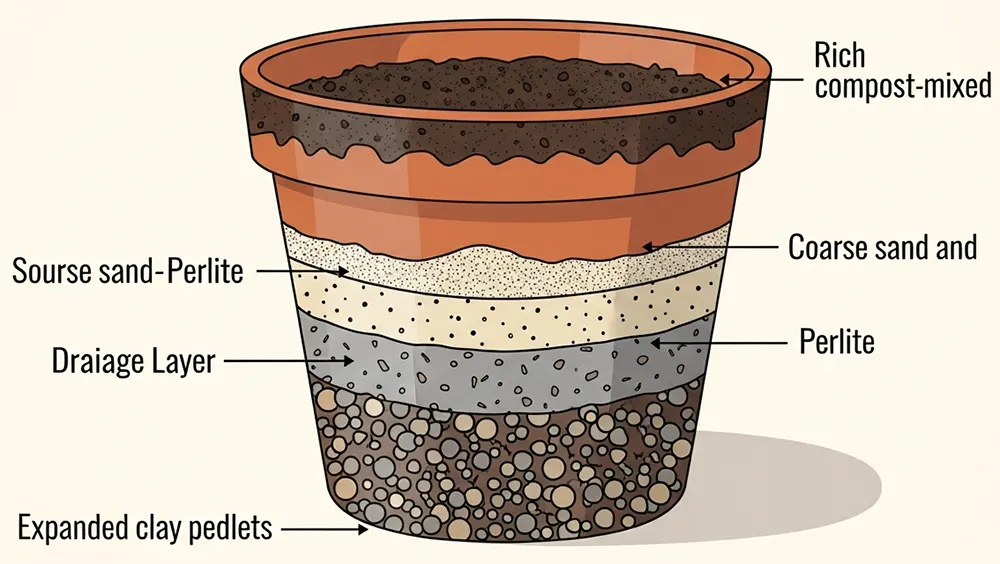
When planting mint, the soil must be loose, fertile, and well-draining to ensure healthy root growth. Begin by selecting a base soil, such as garden soil or a general-purpose potting mix. To improve aeration, incorporate some humus or compost to enrich the soil’s nutrient content. Next, add a small amount of coarse sand or perlite to facilitate drainage and prevent waterlogging, which can lead to root rot. Mint thrives in fertile soil with a pH level between 6.0 and 7.0. Before potting, slightly moisten the soil so that it remains damp but not saturated. Furthermore, it is recommended to line the bottom of the flowerpot with a layer of small pebbles or expanded clay pellets to further enhance drainage. Soil prepared in this manner retains sufficient moisture without becoming overly compacted or heavy—conditions that are truly ideal for cultivating mint.
Planting
There are three primary methods for growing mint: from seeds, seedlings, or cuttings. Growing from seeds is inexpensive, but germination and growth are relatively slow, requiring patient care. Planting seedlings is the most common method; it boasts a high survival rate and is well-suited for home gardening. Propagation via cuttings is the quickest and simplest method: one simply needs to cut a section of a branch and place it in water or soil, where it will typically take root within about a week. Overall, home gardening enthusiasts tend to opt for planting seedlings or propagating via cuttings, as these methods are easy to execute, boast high survival rates, and result in rapid growth—making them an ideal choice for beginners. Sow seeds indoors 10 weeks before the last expected frost, or sow them directly outdoors in April or May. The sowing depth should be 1/4 inch (approximately 0.6 cm). If starting seeds indoors, applying bottom heat can help accelerate the germination process.
Growing
When mint is moved outside, it’s best to space the plants about 60 centimeters apart. Mint has a strong root system and spreads quickly, which can lead to it becoming invasive. Because of this, planting it in containers is often a better choice, as pots help control its root growth. Mint prefers full sun or partial shade and grows best in soil rich in organic material.
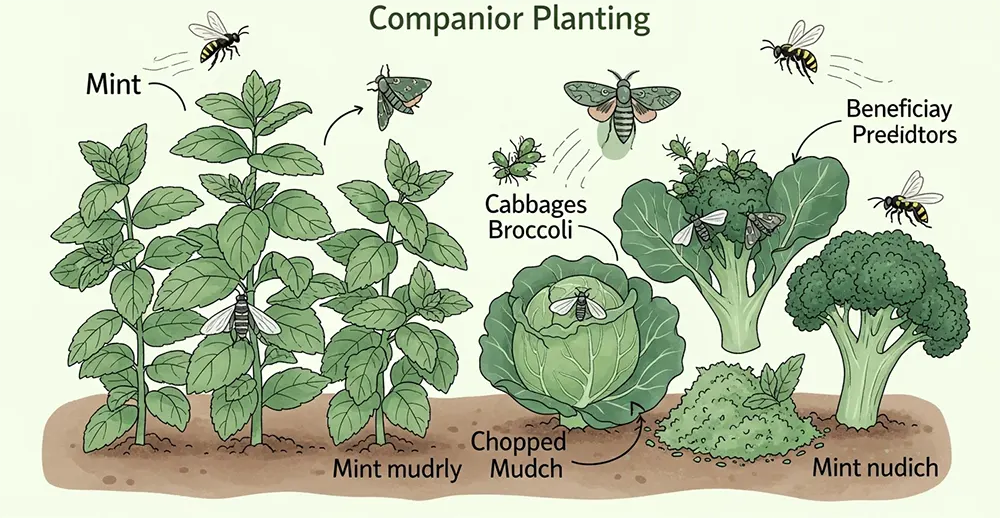
Once the growing season concludes, bring potted mint plants indoors and place them on a windowsill where they can continue to grow throughout the winter. Mint acts as a natural deterrent against certain pests—such as cabbage moths, aphids, and flea beetles—while also attracting predatory wasps and other beneficial insects. For this very reason, mint serves as an ideal companion plant for cruciferous crops. However, given mint’s vigorous growth and tendency to spread aggressively, a more practical approach is often to chop it up and spread it as mulch around the cruciferous plants, thereby fully harnessing its beneficial properties.
One potential issue that mint plants may face is rot; therefore, it is crucial to take care to avoid splashing water onto their leaves.
Fertilizing
Since mint grows rapidly, it is best to apply fertilizer only to potted plants or to garden beds enclosed by metal or plastic edging. Potted mint should be fed with a general-purpose liquid fertilizer in the spring, just as new shoots begin to emerge. Fertilize every four to six weeks, as frequent watering can leach nutrients from the soil. When planting, amend the soil with composted manure; sprinkle 1/2 tablespoon of Rutom All-Purpose Organic and Inorganic Slow-Release Granular Fertilizer per square foot of the planting bed; and mix the compost and fertilizer into the top 6 inches of soil. When applying fertilizer, take care to avoid getting any on the mint leaves.
Harvesting
Mint leaves can be harvested from late spring through autumn, right up until the stems wither away for the winter. Regular harvesting helps keep the plants compact and encourages them to produce an abundance of fresh leaves. Select the tender tips of the shoots, as these possess the most intense flavor. The more you harvest, the more the plants will grow. To ensure a continuous supply throughout the winter, potted mint plants can be moved indoors during the autumn and placed on a sunny windowsill. Additionally, mint leaves can be preserved by freezing or drying—freezing is generally more effective at retaining their flavor. Mint leaves can be incorporated into a wide variety of dishes—whether hot or cold, sweet or savory—from sprinkling chopped leaves over buttered new potatoes to adding them to salads or using them to prepare mint sauce. Mint sprigs can be brewed into a refreshing tea that aids digestion, or added to summer beverages. Mint flowers are also edible, offering a slightly milder flavor.

 English
  Spanish
  Japanese
  Korean
  German
  Portuguese
  Italian
  Indonesian
  Vietnamese
  Turkish
  Persian
  Russian
  Chinese