




4 Features About Fulvic Acid
With factory-direct supply, strict quality control, and flexible formulations, we serve fertilizer distributors, importers, and agricultural projects worldwide.
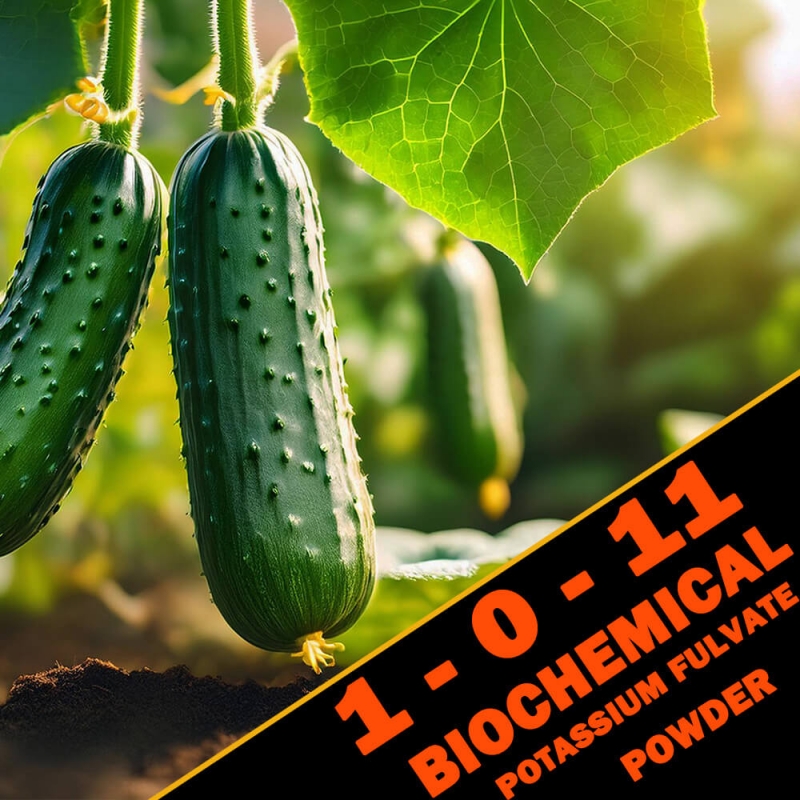
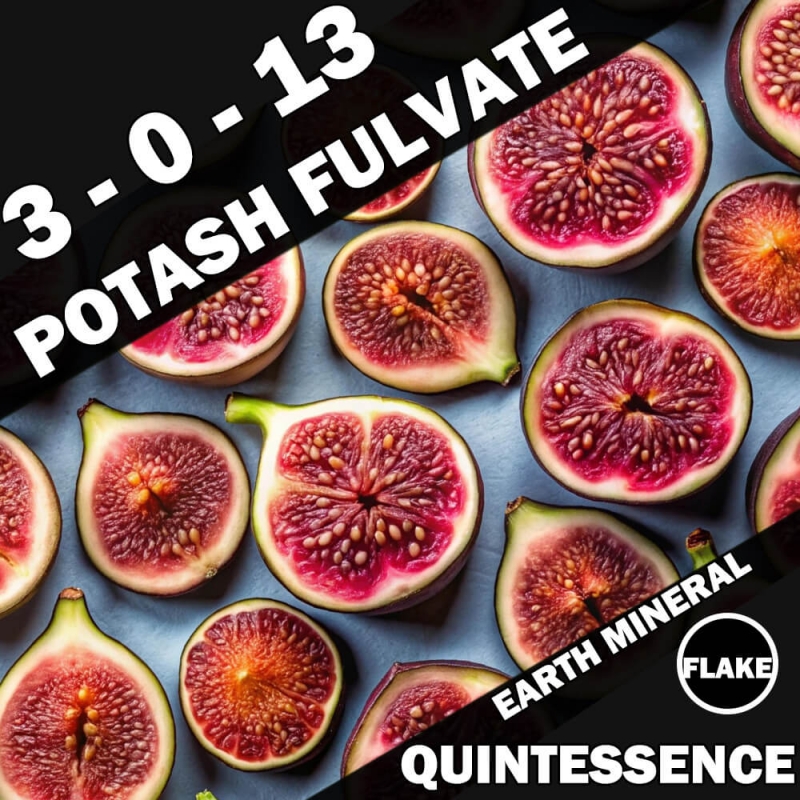
What is Fulvic Acid for Plants?
Fulvic acid, also called FA, is the core component of humic acid with the smallest molecular weight, highest water solubility, and strongest activity. It is widely present in natural materials such as soil, peat, and weathered coal, serving as a commonly used biostimulant and fertilizer enhancer in agriculture. Formed through the long-term microbial decomposition and transformation of plant and animal remains, along with a series of chemical processes, it constitutes an essential component of soil organic matter.
How Does It Work?
Because fulvic acid has a low molecular weight, generally less than 10,000 Daltons, it can easily penetrate plant cell membranes. Due to this features, it can help the plant transfer the nutrients directly to where needed.
So it is widely used in agriculture, such as for base fertilizer to improve soil health, and used for foliar spray, which can be quickly absorbed by plants. Also can be used for drip irrigation and fertigation; the precision fertilization can reduce waste and is ideal for the environment.
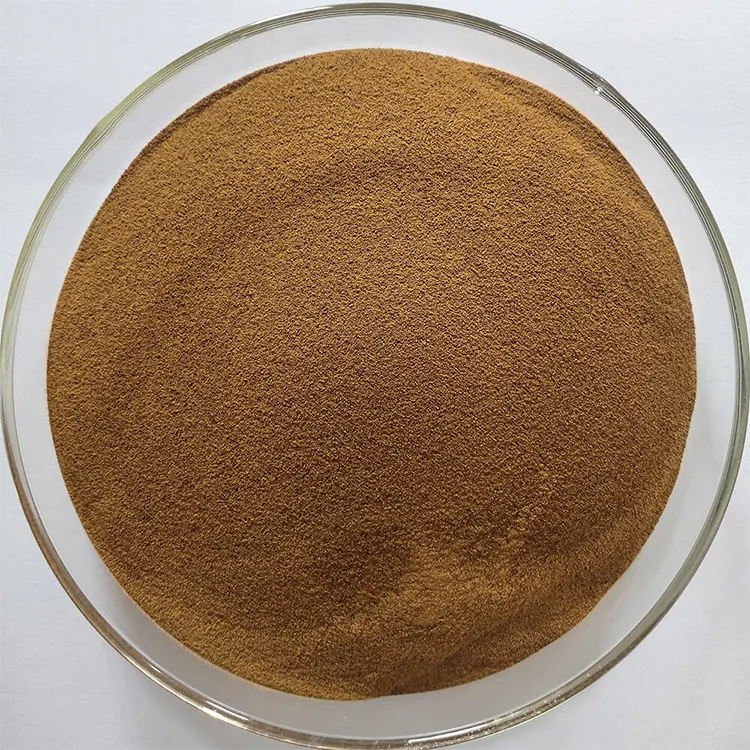
Key Benefits of Fulvic Acid Fertilizer
Our products are derived from natural substances that are naturally rich in humic acid (with a content of 18-25%) and undergo a specialized processing technique to maximize the retention of their biological activity.
Nutrient Activation & Efficient Absorption
- Powerful Chelating Action: Forms stable, soluble chelates with mineral elements like iron, zinc, and phosphorus to prevent nutrient fixation and enhance utilization rates.
- Nutrient Carrier: Transports over 70 minerals and trace elements to plant roots, promoting absorption.
- Boosts Leaf Photosynthesis: Enhances uptake of key elements like iron and magnesium to increase chlorophyll synthesis.
Soil Improvement & Health:
- Improve soil structure: Promote aggregate formation, alleviate compaction, enhance aeration and water retention
- Regulate soil pH: Buffers acidity and alkalinity fluctuations, creating an optimal growing environment for plants
- Activate soil microorganisms: Provides carbon sources, promotes beneficial microbial proliferation, and boosts soil vitality
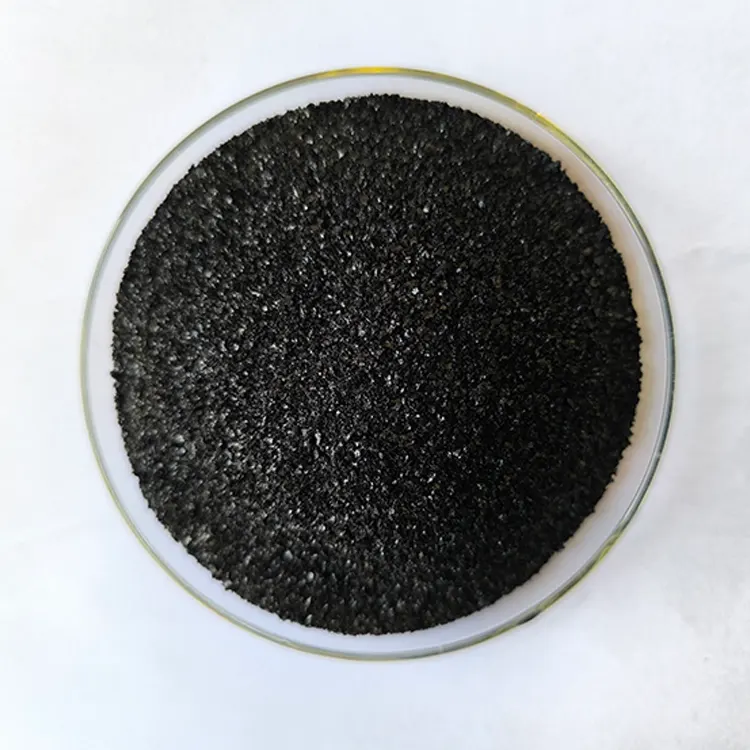
Plant Growth Regulation & Stress Tolerance:
- Promotes root development: Stimulates root hair growth, increases absorption surface area, and enhances water and nutrient uptake capacity
- Enhances stress tolerance: Reduces stomatal opening during drought (known as “Drought Tolerance No. 1”), improves cold and salt tolerance
- Boosts yield and quality: Promotes flower bud differentiation, increases fruit set rate, and improves fruit flavor and nutritional content
Improve Fertilizer & Application Reduction:
- Reducing Chemical Fertilizer Use: Improve fertilizer utilization, minimize loss, and reduce environmental pollution
- Synergistic Application with Pesticides: Enhance pesticide efficacy, lower pesticide residues, and improve safety
Fulvic Acid Application & Dosage
About how to use fulvic acid, it can be use for many fields, such as soil amendment for agriculture, aquaculture, husbandry and health care, etc.
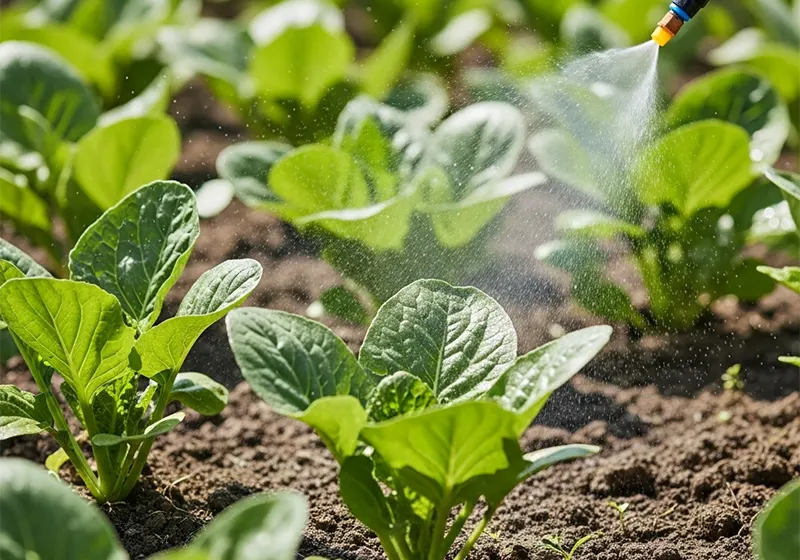

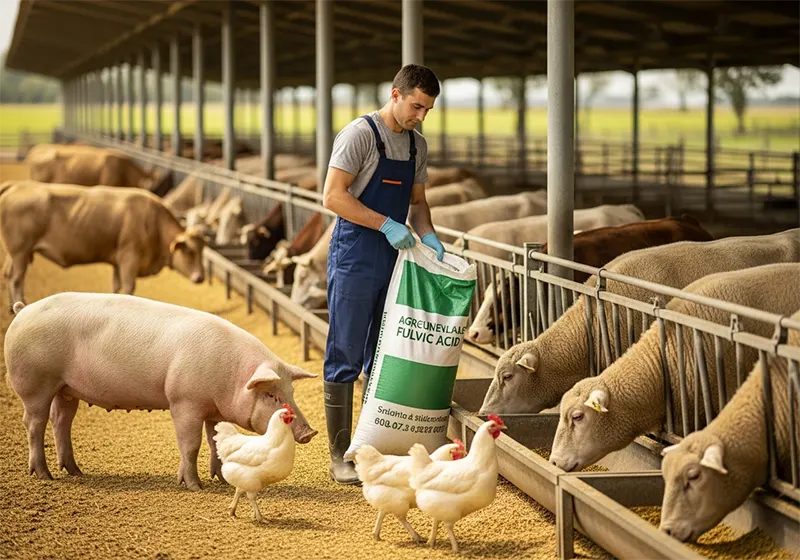

Application Methods & Dosage
Soil Application
- Pre-plant: 5-15 kg/ha Potash Fulvate, incorporate 10-15 cm deep
- Side-dress: 3-8 kg/ha during active growth
Fertigation & Drip Irrigation
- Dilute and inject 2-5 kg/ha weekly
- Apply during first 30-60 minutes of irrigation
- Compatible with water-soluble NPK
- Maintain pH 5.5-6.5
Foliar Spray
- Apply 1-2 kg/1000L water early morning/late afternoon
- Frequency: Every 7-14 days during growth
- Enhances uptake of tank-mixed nutrients by 10-20%
Crop-Specific Rates
- Field Crops: 5-15 kg/ha soil + 1kg per 100kg urea mix
- Vegetables: 2-5 kg/ha weekly drip + 1.5 kg/1000L foliar
- Fruit Trees: 10-20 kg/ha at bud break and fruit set
- Greenhouse: 50-100 mL/1000L continuous or 1 kg/1000L foliar
Humic vs Fulvic Acid: What’s the Difference?
Many people or new gardeners often mix up the humic acid and fulvic acid; they look a little the same. They come from the same place; both of them come from humic substances. But they are definitely different items. They differ mainly in how big their molecules are and how well they dissolve in water.
The difference between humic acid and fulvic acid:
| Characteristic | Fulvic Acid | Humic Acid | Combined |
|---|---|---|---|
| Molecular Weight | <10,000 Daltons | 10,000-100,000 Daltons | Complete coverage |
| Solubility | 100% water-soluble (all pH) | Alkaline only | Works at all pH levels |
| Primary Function | Nutrient transport & uptake | Soil structure improvement | Comprehensive support |
| Plant Penetration | Enters cells directly | Remains in soil/root zone | Internal + external |
| Best For | Foliar, drip, hydroponic | Soil broadcast, incorporation | All application methods |



 English
  Spanish
  Japanese
  Korean
  German
  Portuguese
  Italian
  Indonesian
  Vietnamese
  Turkish
  Persian
  Russian
  Chinese